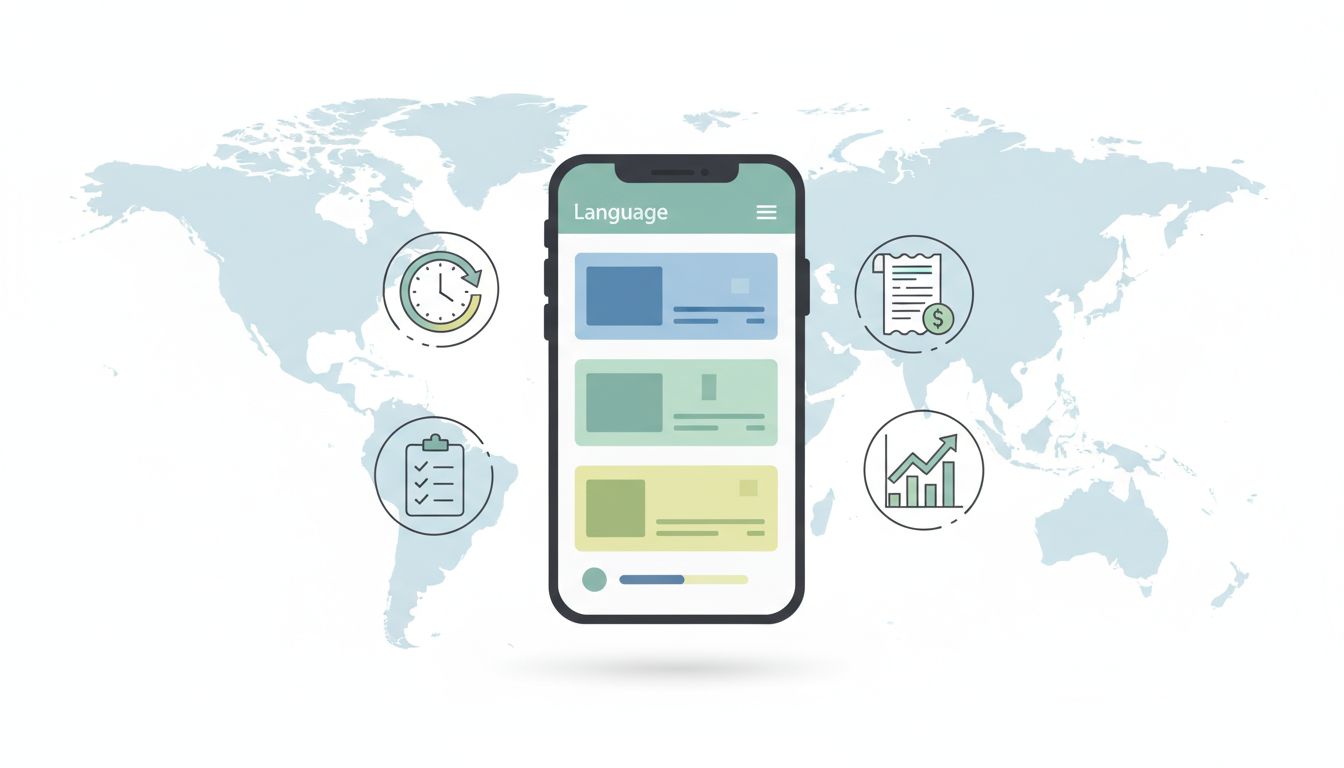
A 4.7-star average can hide months of billing trouble. That’s why a smart language app review starts with history, not hype, before you choose language learning software to master your target language.
Before you buy a yearly plan or move your streak, check what users complained about, when they complained, and whether the mobile app team fixed it. In 15 minutes, you can spot old scars, current problems, and signs of real improvement. That quick check protects your language learning journey and makes the rest of your comparison far more honest.
Key Takeaways
- A smart language app review prioritizes review history over average ratings to spot ongoing patterns like billing troubles, repetitive lessons, or weak support that a 4.7-star snapshot hides.
- Use the 15-minute checklist: scan recent low-star reviews first, check version history and updates, hunt recurring themes in five key buckets, verify current pricing stories, and seek proof of fixes like ‘better now’ mentions.
- Trust issues such as ‘charged after canceling’ or lost progress matter more than lesson gripes; green flags include calmer recent reviews, regular updates adding features like pronunciation feedback, and shrinking support complaints.
- Apps like Duolingo face repetition and upsell pressure, Memrise paywall shrinks, Babbel steadier but language-switch awkward—history provides context for your target language goals, from vocab to conversational fluency.
Why review history matters more than the overall rating
An app store rating is a snapshot. Review history is the movie.
A strong average can hide a rough redesign, a shrinking free tier, or support that stopped replying. On the other hand, a messy patch six months ago may not matter if the last three updates solved it. Time changes the story, so your job is to read reviews in sequence, not as one blended score.
A high rating without a timeline is like a restaurant review with no date, nice, but risky.
Start with the most recent reviews and then jump backward. If you keep seeing the same complaint across months, that’s a pattern. If the complaint appears only during one update window and fades fast, that’s different.

In early 2026, reviewer chatter still points to repetitive “vocabulary building” and “gamified learning” loops alongside heavy upgrade pressure in Duolingo’s mobile app, while Memrise keeps drawing complaints about paywalls and the loss of older user-made content that powered its “spaced repetition” system. Babbel gets fewer repetition complaints, but some users still dislike how awkward it is to switch target language pairs, while others evaluate the efficacy of “interactive exercises” and “grammar lessons” in their chosen target language. That contrast also shows up in Android Authority’s recent Duolingo-to-Babbel comparison.
A real pattern often looks like this:
- The same issue shows up in reviews from different months.
- Users mention the latest version, not only old versions.
- Developer replies exist, but the complaint keeps returning.
- Support, billing, or lost-progress issues outnumber minor lesson complaints.
If lesson design is the main issue, not trust or billing, pair this history check with LanguaVibe’s quick redundancy scorecard for apps. It helps you tell useful review from endless tapping.
The 15-minute checklist for a fair language app review
Use the same timer on every app so your comparison stays clean.
- Minutes 1 to 3, sort by most recent reviews.
Don’t start with five-star praise. Read recent one-star to three-star reviews first, because they usually show what hurts right now in learning methods. Then skim a few recent positive reviews to see whether happy users mention fixes, stability, or better learning methods. - Minutes 4 to 6, open version history.
Look at how often the app updates. Regular updates don’t prove quality, but long gaps can be a warning sign when users report bugs, mobile app stability issues, or sync problems. Short notes like “bug fixes” are common, yet repeated updates after a bad release can still be a good sign. - Minutes 7 to 9, scan for recurring complaint themes.
Focus on five buckets: repetitive lessons, pricing surprises, weak support, broken progress sync, and speaking or audio problems including speech recognition and pronunciation feedback. If reviews keep saying “charged after canceling,” “can’t restore purchase,” or “lost my streak,” take that more seriously than complaints about a boring mascot. - Minutes 10 to 12, check the price story.
Review the app’s current subscription plans page, trial terms, and store listing. Free tiers have tightened across language apps, so old praise about “great free access” may no longer fit, especially when placement test or audio-based instruction access shifts behind paywalls. Memrise is a good example, because recent users often describe a far smaller free experience than before. - Minutes 13 to 15, look for proof of improvement.
Search for phrases like “fixed,” “better now,” “support helped,” or “after the update,” especially for spaced repetition algorithm tweaks. If old complaints drop off and new reviews sound calmer, that matters. If the same issue keeps coming back after each release, the team may not have solved the root problem.
If you also want to test big promises like “learn in 10 minutes a day,” run LanguaVibe’s 10-minute reality check for apps. History tells you whether the app is trustworthy for building a daily study habit in your target language. A claims audit tells you whether it fits your goal.
Frequently Asked Questions
Why does review history matter more than the overall app rating?
An app store rating is just a snapshot that can mask recent redesigns, shrinking free tiers, or unresolved billing issues. Reading reviews in sequence reveals patterns over time, like complaints fading after fixes or persisting across months. This timeline check makes your language app review honest and protects your learning journey.
What are the five key complaint buckets to scan in reviews?
Focus on repetitive lessons, pricing surprises, weak support, broken progress sync, and speaking or audio problems like pronunciation feedback. These themes show up repeatedly in one-star reviews from recent versions. Trust breakers like ‘can’t restore purchase’ outweigh minor lesson design gripes.
How can I tell if a language app has truly improved?
Look for phrases like ‘fixed,’ ‘better now,’ or ‘after the update’ in recent reviews, especially tied to spaced repetition tweaks or support wins. If old complaints drop off, updates add features like AI tutors, and reviews sound calmer, that’s proof the team learned. Persistent issues after releases signal unsolved roots.
What’s the quickest way to do a fair language app review?
Set a 15-minute timer and follow the checklist: 1-3 min recent low-star reviews, 4-6 min version history, 7-9 min recurring themes, 10-12 min pricing page, 13-15 min improvement signs. Start with pain points, not praise, for a clean comparison across apps. Pair with tools like redundancy scorecards for lesson quality.
Past mistakes count, but fixes count too
The fairest review history check doesn’t punish an app forever. It asks a simple question: did the company learn anything?
Duolingo still gets knocked for odd example sentences in grammar lessons, repetitive review loops in its gamified learning, and strong upsell pressure from subscription plans. Memrise still faces criticism over paywalls and the move away from older community courses featuring native speakers. Babbel looks steadier in many reviews, although users still mention limits around switching target languages and uneven features like speech recognition outside English-based courses. Drops stays appealing for quick vocabulary building, but it’s still not the first pick for speaking-heavy learners chasing conversational fluency.
That doesn’t mean one app is “bad” and another is “good” in every case. It means each has a history, and history needs context. A complaint about weak speaking matters less if you only want travel vocab through interactive exercises. A billing complaint matters more because trust problems cut across every use case, from mobile app daily study habits to audio-based instruction.
For a second view on structured learning versus speaking limits, see this Babbel review from March 2026. If you want a wider market snapshot, this 2026 language app roundup is useful too. Still, broad comparisons can’t replace your own timeline check.
The green flags are simple. Recent reviews sound less angry about issues like paywalls or lack of native speakers. Update notes appear with some regularity, adding features such as video lessons, pronunciation feedback, or even an AI language tutor. Support complaints shrink. Old pain points like limited live classes or online tutoring stop dominating the page. That’s what improvement looks like in public.
A single rating is a photograph. Review history is the full scene.
The best language app review looks for repeated mistakes in learning methods, current fixes in interactive exercises or grammar lessons, and honest signs of progress. Today’s mobile apps offer diverse tools for vocabulary building, real-world conversations with authentic content, and paths from beginner to advanced across CEFR levels, whether through gamified learning or structured paths to conversational fluency in your target language. Before the next sale timer pushes you to subscribe, spend 15 minutes on the app’s past. You don’t need perfection, you need proof that the app learns from its own mistakes.