French Si Clauses: Choose the Right Tense
November 12, 2026

For real conditions, French si clauses use the present tense after si (“if”), while the result can use the present,...
Read more
Passato Prossimo vs Imperfetto: Which Tense Fits?
November 11, 2026

Use the passato prossimo for events you present as complete, and the imperfetto for habits, background, or situations in progress....
Read more
French Subjunctive vs Indicative: Choosing the Mood
November 11, 2026

French uses the indicative to present information as an assertion, while the subjunctive commonly expresses wishes, feelings, doubt, or uncertainty...
Read more
そうだ vs ようだ vs らしい: Choose the Right Evidence
November 10, 2026

Choose between そうだ, ようだ, and らしい by identifying how you know something, rather than translating English “seems” or “apparently.” First,...
Read more
French Object Pronoun Order: Me, Le, Lui, and Y
November 10, 2026

French object pronouns usually go before the conjugated verb, or before the auxiliary in a compound tense. When two pronouns...
Read more
Japanese Te Iru: Actions, Habits, and Resulting States
November 9, 2026

In Japanese grammar, te iru (ている) is often introduced as the “present progressive.” This progressive form describes actions in progress,...
Read more
How to Choose Your First Native Podcast at A2 or B1
November 9, 2026

Choose your first native podcast by testing a short, clear episode about something you already know, ideally with a transcript....
Read more
How to Choose Your First Native Podcast at A2 or B1
November 9, 2026
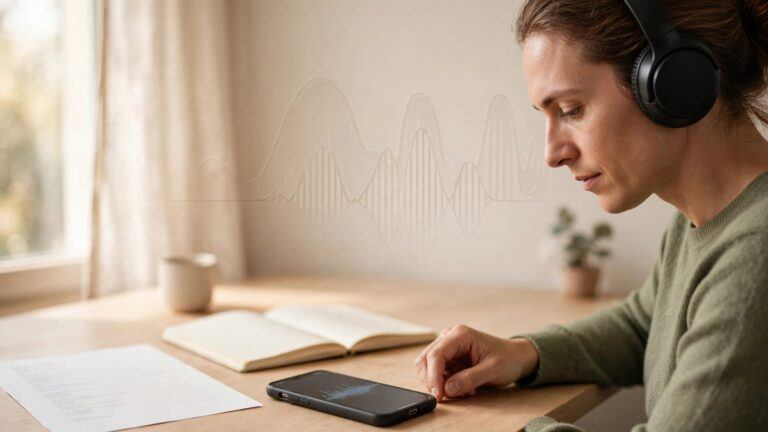
Choose your first native podcast by testing a short, clear episode about something you already know, ideally with a transcript....
Read more
Korean Counters: Count People, Objects, and Events
November 8, 2026

Korean counters are words that follow numbers to show what you’re counting, such as people, books, drinks, or events. The...
Read more
Why Grammar Exercises Don’t Translate Into Conversation
November 8, 2026

You can understand a grammar rule without being able to retrieve it while speaking. The gap happens because using grammar...
Read more