
Over half of American adults have downloaded at least one language learning app in the past year, reflecting a growing demand for flexible education tools. With busy American lifestyles, finding effective and convenient ways to learn new languages is more relevant than ever. This article reveals what sets modern language apps apart, explores their core features, and highlights the surprising ways technology is reshaping personal language acquisition.
Table of Contents
Key Takeaways
| Point | Details |
|---|---|
| Language Learning Apps Enhance Engagement | Language apps provide personalized, interactive experiences that go beyond traditional methods, using technology to adapt to individual learning styles. |
| Diverse Approaches Available | Learners can choose from various app types, including gamified and conversation-based options, to match their specific goals and preferences. |
| Limitations of App-Based Learning | While convenient, apps cannot fully substitute for human interaction and professional instruction, particularly in developing conversational skills and cultural understanding. |
| Holistic Learning Strategies Recommended | Combining apps with methods such as immersive experiences and diverse resources enhances language proficiency and retention. |
Defining Language Apps and Core Features
Language learning apps represent a digital revolution in personal language education, transforming how individuals acquire new communication skills. These mobile and web-based platforms offer interactive, personalized approaches to mastering foreign languages through technology-driven methodologies. Modern language apps go beyond traditional textbook learning by integrating multimedia, interactive exercises, and adaptive learning techniques that customize the experience for each user.
Core features of language apps typically include comprehensive learning modules designed to develop multiple linguistic skills. Platforms like Memrise utilize spaced repetition techniques to enhance vocabulary acquisition, incorporating multimedia elements such as images and audio to aid memorization. These apps often provide structured lessons covering essential language components:
- Vocabulary Training: Interactive word lists and contextual learning
- Grammar Lessons: Structured explanations with practice exercises
- Listening Comprehension: Audio materials with native speaker pronunciations
- Speaking Practice: Voice recognition technologies for pronunciation assessment
- Writing Exercises: Opportunities to practice written communication
Language learning platforms like Busuu take interaction further by allowing users to connect with native speakers, providing real-world language exchange opportunities. This approach transforms language learning from a solitary activity into a collaborative, social experience. By integrating technology with human interaction, these apps create immersive learning environments that adapt to individual learning styles and pace, making language acquisition more accessible and engaging than ever before.
Types of Language Learning Apps Compared
Language learning apps represent a diverse ecosystem with multiple approaches to helping users acquire new language skills. Understanding the different types can help learners choose the most appropriate platform for their specific learning goals and preferences. Comparative analyses of mobile applications reveal significant variations in learning methodologies that can dramatically impact language acquisition effectiveness.
The primary categories of language learning apps can be broadly classified into several distinctive types:
- Gamified Learning Apps: Incorporate game-like elements and rewards to motivate learners
- Conversation-Based Apps: Focus on practical dialogue and real-world language usage
- Grammar-Focused Platforms: Provide comprehensive grammatical instruction and structured lessons
- Immersion-Style Applications: Simulate total language environment experiences
- Flashcard and Vocabulary Apps: Specialize in systematic word and phrase memorization
Market analysis techniques demonstrate how these apps differ in crucial attributes such as content maturity, user ratings, and download volume. Some apps prioritize structured learning with systematic progression, while others emphasize spontaneous, context-driven language acquisition. The most effective platforms often combine multiple approaches, offering adaptive learning experiences that adjust to individual user progress and learning styles. By understanding these nuanced differences, language learners can select apps that align most closely with their personal learning preferences and linguistic goals.
How Language Apps Support Learning
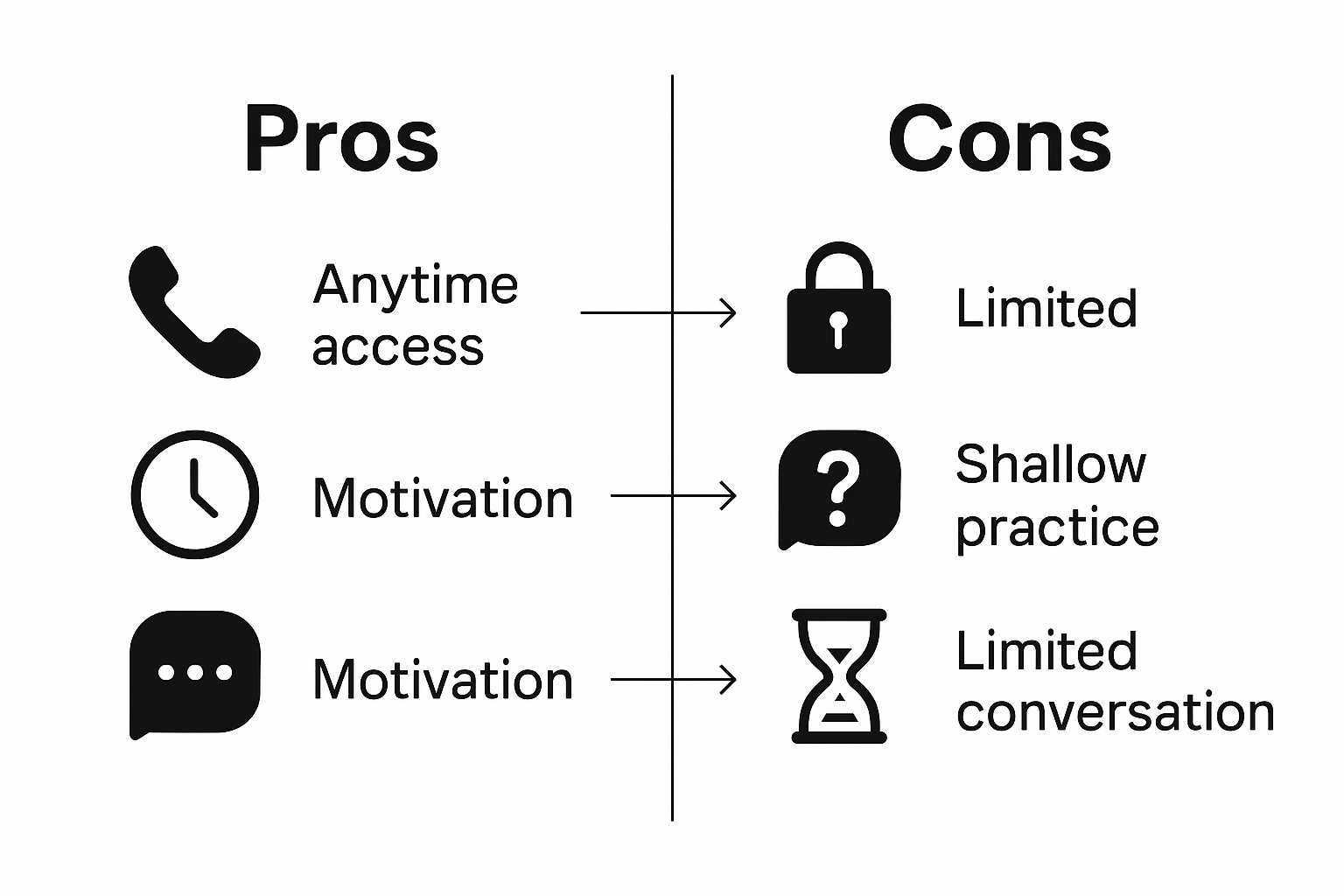
Language learning apps have revolutionized personal education by providing innovative, accessible approaches to acquiring new communication skills. These digital platforms leverage technology to create personalized, interactive learning experiences that address multiple aspects of language acquisition. Pimsleur Language Programs demonstrate how focused audio-based learning can develop conversational skills through structured, bite-sized daily lessons that make language learning more manageable and engaging.
The support mechanisms within language apps are comprehensive and multifaceted, addressing various learning needs:
- Adaptive Learning Paths: Customize content based on individual user performance
- Immediate Feedback: Provide real-time corrections and pronunciation guidance
- Multimedia Integration: Use audio, video, and interactive exercises
- Progress Tracking: Monitor skill development across different language competencies
- Motivation Systems: Implement gamification elements to maintain learner engagement
Gamified applications like Xeropan illustrate how technology can transform language learning by breaking down complex linguistic skills into interactive, digestible components. These apps use AI-powered tools such as chatbots and specialized speaking modules to simulate real-world communication scenarios. By combining technological innovation with pedagogical approaches, language learning apps create immersive environments that make acquiring new languages more accessible, engaging, and personalized than traditional learning methods. The result is a dynamic educational experience that adapts to individual learning styles, preferences, and pace.
Limitations and Common Drawbacks of Apps
Language learning apps, despite their technological sophistication, are not without significant limitations that can impact the overall language acquisition process. Comparative studies reveal that mobile applications, while innovative, cannot fully replace traditional learning methods in developing comprehensive language skills. These digital platforms often struggle to provide the nuanced, context-rich learning experience that human interaction and professional instruction can deliver.
The primary drawbacks of language learning apps include:
- Limited Conversational Depth: Difficulty simulating genuine, spontaneous dialogue
- Lack of Cultural Context: Insufficient immersion in cultural nuances and social communication
- Inconsistent Peer Feedback: Unreliable correction mechanisms
- Shallow Grammatical Understanding: Surface-level language instruction
- Motivation Challenges: Potential for user burnout and decreased engagement
Collaborative platforms like Busuu demonstrate both the potential and challenges of peer-based language learning, highlighting the inherent limitations of app-based language acquisition. While these technologies offer unprecedented accessibility and convenience, they cannot fully replicate the comprehensive learning experience of traditional classroom instruction or immersive language environments. The most effective language learning approach likely involves a hybrid model that combines app-based learning with structured, professional guidance, ensuring learners develop not just technical language skills, but also the cultural understanding and communicative nuance essential to true linguistic proficiency.

Alternatives and Best Practices for Learners
Language learners seeking comprehensive skill development must look beyond traditional mobile applications to create a holistic learning strategy. Pimsleur Language Programs offer an alternative approach that emphasizes auditory learning and conversational proficiency, demonstrating that effective language acquisition can occur through diverse methodological approaches. While apps provide convenient learning tools, successful language mastery requires a multifaceted strategy that incorporates various resources and learning techniques.
Best practices for language learning extend beyond digital platforms and include:
- Immersive Experience: Engage with native speakers and authentic cultural content
- Diverse Learning Resources: Combine apps, textbooks, podcasts, and conversation groups
- Consistent Practice: Establish regular, structured learning routines
- Active Listening: Develop comprehension skills through targeted audio materials
- Real-world Application: Seek opportunities for practical language usage
The most effective language learning approach involves creating a personalized ecosystem of educational tools and experiences. This means integrating mobile apps as one component of a broader learning strategy, supplementing digital instruction with live conversations, cultural immersion, and structured academic learning. Successful language learners understand that no single method provides a complete solution, and flexibility, curiosity, and consistent engagement are the true keys to linguistic proficiency.
Discover How To Navigate The Pros And Cons Of Language Apps With Confidence
Choosing the right language learning app can feel overwhelming given the common challenges of limited conversational depth and lack of cultural context discussed in the article. If you want to avoid frustration and make smarter choices, it is essential to understand how different app features impact your learning journey. Key pain points like motivation issues and shallow grammar coverage require a strategic approach that mixes technology with proven methods for effective language acquisition.
At Languavibe.com, we specialize in guiding learners through these complexities by providing clear, expert reviews and practical advice on maximizing app use and exploring alternatives. Our content focuses on helping you build a learning system tailored to your individual goals while acknowledging the limitations apps may have. Whether you are a parent selecting tools for children or a language enthusiast seeking real results, our resources empower you to make informed decisions.
Explore how to maximize language acquisition and avoid common pitfalls right now.
Start your journey today by visiting Languavibe.com for expert guidance that will help you select the best language apps and strategies tailored to your unique needs. Don’t wait to turn your language learning into an enjoyable, effective experience.
Frequently Asked Questions
What are the main advantages of using language learning apps?
Language learning apps provide innovative, accessible approaches to language acquisition through interactive exercises, personalized learning paths, and real-time feedback. They often incorporate multimedia elements to enhance engagement and facilitate vocabulary, grammar, listening, speaking, and writing skills.
What are the common drawbacks of language learning apps?
Common drawbacks include limited conversational depth, lack of cultural context, inconsistent peer feedback, shallow grammatical understanding, and potential motivation challenges. These limitations can hinder comprehensive language acquisition compared to traditional learning methods.
How can I maximize my language learning using apps?
Maximize your learning by combining apps with immersion experiences, diverse resources like podcasts and textbooks, and regular practice. Engage with native speakers, seek real-world opportunities for language use, and incorporate structured learning routines for the best results.
Can language apps effectively replace traditional learning methods?
While language apps offer convenience and flexibility, they cannot fully replace traditional learning methods. A hybrid approach that combines app-based learning with live interactions and professional instruction is often the most effective way to achieve proficiency in a language.
