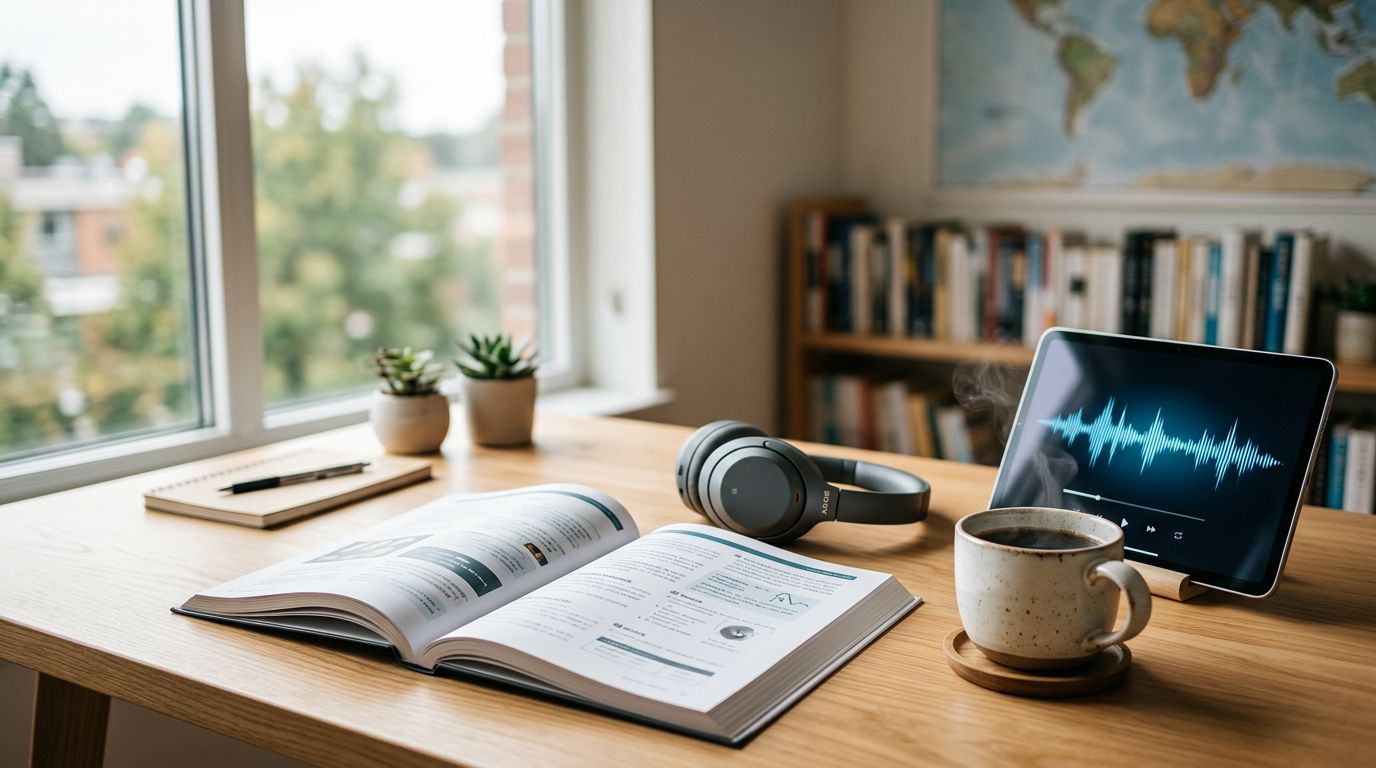
Plenty of courses promise fluency. Assimil promises something narrower and, for the right learner, more useful: steady contact with real sentences until the language starts to feel familiar.
For serious self-study, that approach still works in 2026. But it works best as a strong core, not a full system. If you want honest value from an Assimil review, the key is knowing what the course does well, where it stops, and who can stick with it.
How the Assimil method works
The official Assimil method still centers on short bilingual lessons, native-speaker audio, light grammar notes, and review lessons at regular intervals. Most flagship courses run about 100 lessons, while current app listings mention 110 lessons in some editions. The pace is simple: one lesson a day, around 30 to 40 minutes.
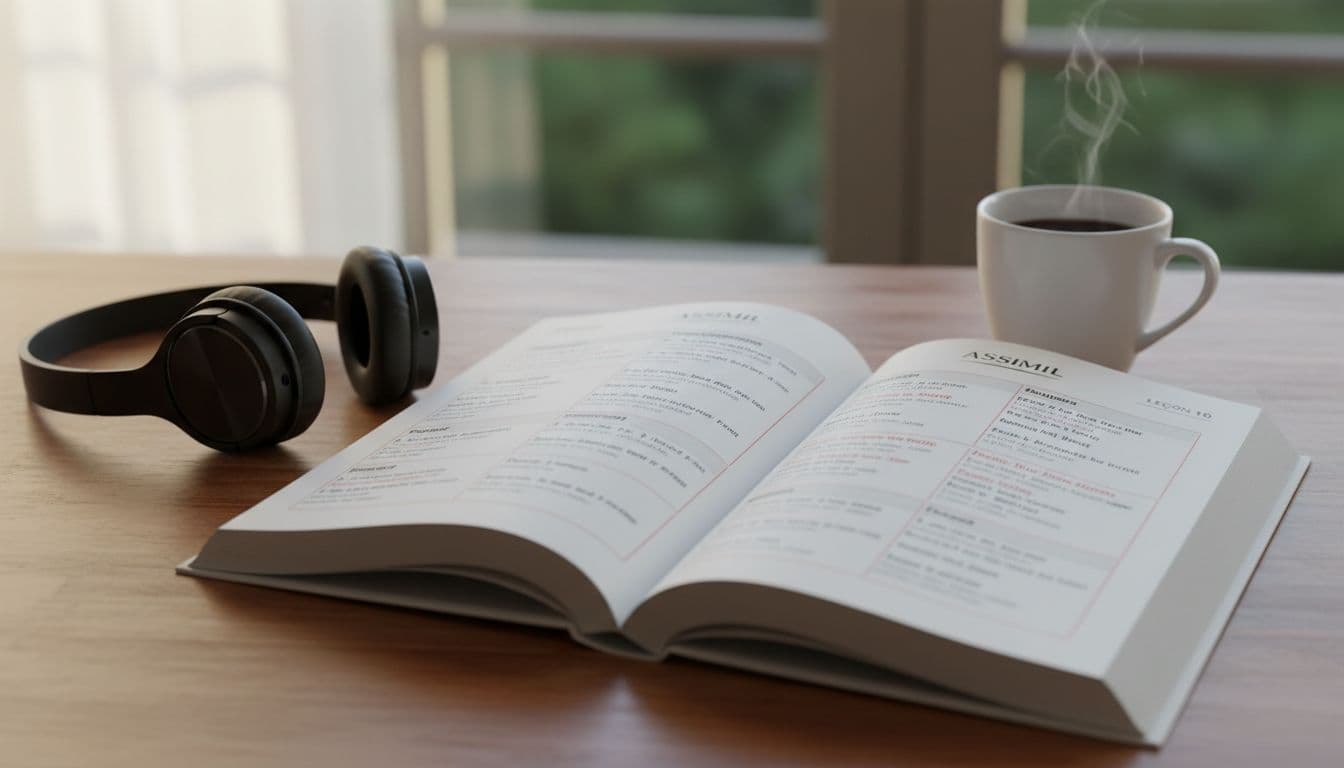
Each lesson usually gives you a dialogue, a translation, notes, and a few exercises. That sounds plain. In practice, the course feels more literary and less game-like than most apps. The dialogues often have personality, and the audio is one of Assimil’s best assets.
The passive wave
In the first half, you read and listen without pushing hard to produce the language. You repeat lines, notice patterns, and let common structures pile up. Grammar is present, but it doesn’t lead the lesson. Instead, Assimil expects repeated exposure to do much of the work.
That makes the course friendly for learners who hate dense grammar-first books. On the other hand, beginners who need constant explanation may feel under-supported.
The active wave
Around lesson 50, the “active wave” begins. Now you cover part of the target text and translate back into the language. You also revisit older lessons, so recall starts to matter.

This phase is more demanding than people expect. It’s where Assimil stops feeling passive and starts testing whether the patterns stuck. For independent learners, this is often the best part of the method.
The official B2 target only makes sense if you add speaking, writing, and correction outside the course.
That matches many outside assessments, including All Language Resources’ review. Finish a course and you’ll likely read better, hear more, and speak with better sentence patterns. You probably won’t become a confident conversational B2 speaker from Assimil alone.
Pricing, formats, and course availability in 2026
Assimil is active in April 2026, with books, audio, apps, and e-courses for English speakers still available. English speakers get strong coverage in major languages such as French, German, Italian, Spanish, Chinese, Russian, Korean, and Brazilian Portuguese. The full catalog is much larger for French speakers, so niche-language shoppers should check the language pair before buying.
The current mobile setup is broader than the old single-language app model. Current iOS and Android apps bundle dialogues, audio, notes, reviews, and exercises in one place. Assimil also refreshed at least one major English course recently, with a new German edition released in 2025.
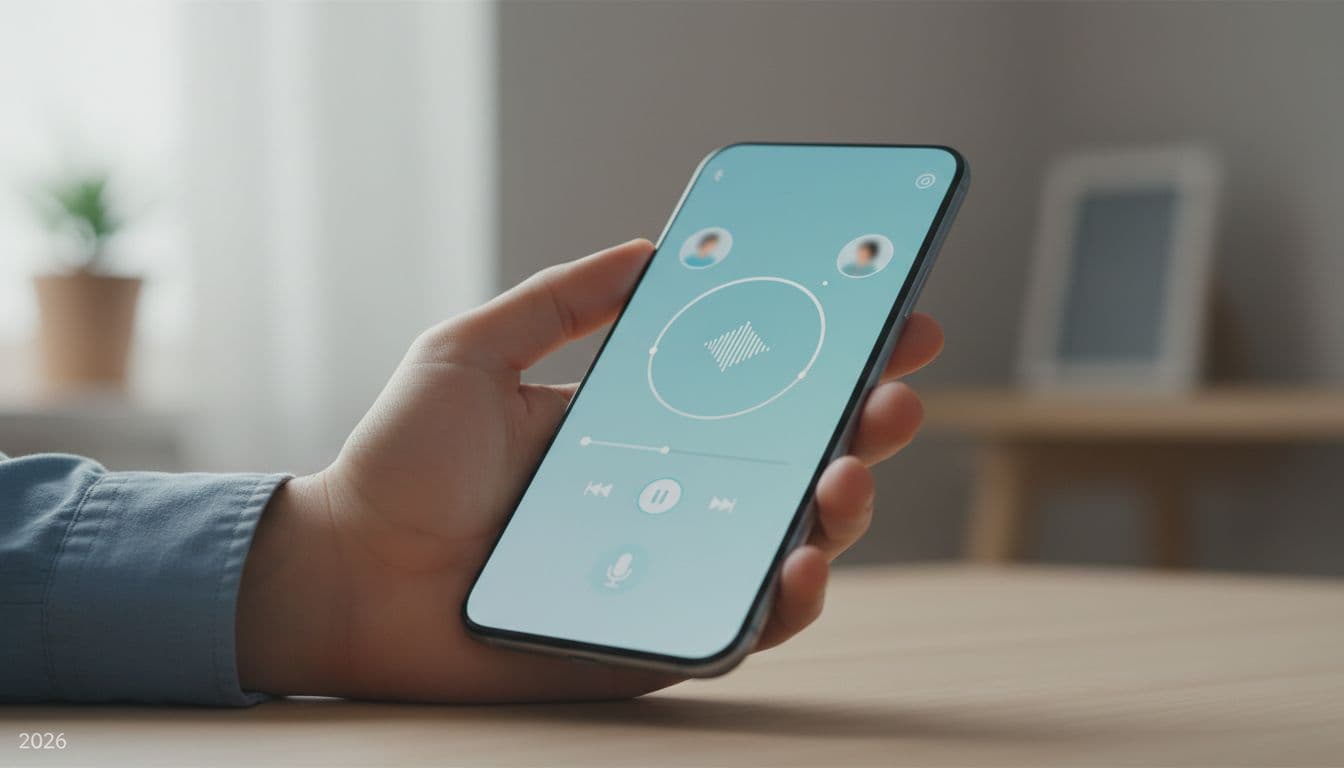
Current public pricing is less tidy than many subscription apps. US resellers list many book-plus-audio courses from about $119. The mobile app gives the first seven lessons free, while full pricing isn’t clearly posted in public sources, so it’s smart to check the current iOS listing before you commit.
A quick format comparison helps:
| Format | Best for | Main tradeoff |
|---|---|---|
| Book + audio | Focused desk study, note-taking, slower work | Higher upfront cost, less convenience |
| App or e-course | Built-in audio, portability, quick reviews | Easier to rush, less tactile study |
The method stays the same across formats. Still, the experience changes. The app makes replay and quick review easier. The book is better for annotation, slower reading, and doing the active wave without screen distractions.
Who should buy Assimil, and how to use it well
Assimil is strongest for independent learners. If you can study daily without streaks, reminders, or teacher pressure, it rewards you. If you need frequent correction and clear milestones, a more guided course may suit you better. For that style of learner, a structured app like the one covered in this Babbel review 2026 often feels clearer from day one.
Beginners can succeed with Assimil, but only if they tolerate some ambiguity. Intermediate learners often get even more value, because they can move faster and notice idioms, word order, and register. In other words, Assimil is often better at turning “I studied this before” into “I can finally feel how this language moves.”
Major languages usually get the smoothest experience. They tend to have newer editions, easier availability, and more outside support. With smaller languages, English-based options thin out, and you may need to learn through French or add more outside resources.
Because Assimil gives little feedback, pronunciation errors and grammar guesses can harden into habits. A weekly tutor can fix that quickly. Even one short session tied to your last few lessons can keep the course honest.
To get the best results, pair Assimil with a few extras:
- Start speaking early, ideally with a tutor or exchange by lesson 30 or 40.
- Use a reference grammar when a note feels too brief.
- Save stubborn sentences in SRS. If you like extra vocab review, this Memrise review 2026 shows what that kind of tool can and can’t do.
- Shadow the audio out loud, because Assimil’s dialogues are much better spoken than silently read.
A serious learner can build a strong routine around Assimil. Still, it works best as one part of a system. Add speaking for speed, grammar for clarity, and SRS for retention.
Final thoughts
Assimil is still worth buying in 2026 if you want a disciplined, dialogue-based self-study course. Its strengths are clear: strong audio, good lesson design, and a method that builds real familiarity with sentence patterns.
Its limits are just as clear. Assimil won’t carry your speaking on its own, and it won’t hold you accountable when motivation drops.
If you want a thoughtful core resource and you’re willing to add output practice, it’s a smart buy. If you need hand-holding or fast speaking gains, choose something more guided.
Ready to Take Your Language Learning Further?
Your favorite language-learning app is a great place to start. Rocket Languages can help you go further with interactive audio lessons, pronunciation practice, real-world conversations, and structured learning.
Explore Rocket Languages →Affiliate disclosure: We may earn a commission if you purchase through this link, at no additional cost to you.