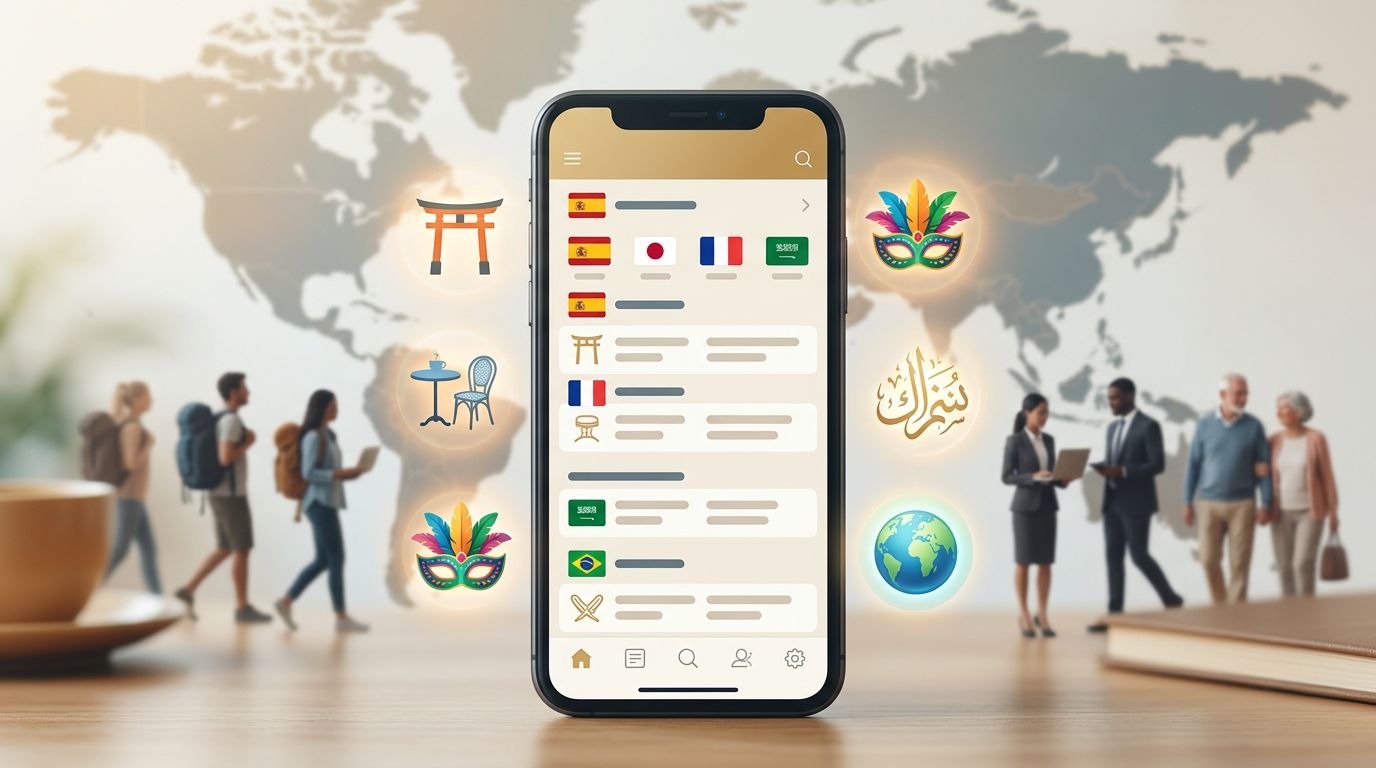
A culture note can help a learner sound aware, or push them into an awkward mistake. That is why language app cultural notes are not a nice extra. They are part of product quality.
In about 15 minutes, a reviewer can catch the flaws that hurt trust fastest: stereotypes, broad claims, stale references, thin regional detail, missing situational context, and explanations pitched at the wrong level. As of March 2026, more apps are folding culture into lessons tied to travel, work, and relocation goals. That shift is useful, but it also raises the bar.
Why language app cultural notes matter more in 2026
Good cultural notes work like stage directions. They tell learners not only what a phrase means, but when it fits, who might say it, and how usage can shift by place or setting.
Bad notes do the opposite. They flatten people into habits, turn one city into a whole country, or teach politeness as if it never changes by age, class, region, or context. A learner may remember the sentence, yet still miss the social meaning.
Good cultural notes expand a learner’s choices. They should never shrink a culture into a rule.
This matters more now because culture is moving from sidebar content into the lesson flow itself. If an app claims to serve travel, work, and daily life, its notes should shift with those goals, just like any goal-specific language app feature checklist. For vendor teams and buyers, the same logic appears in broader guides on assessing language learning providers, where content quality matters as much as flashy features.
A quick review will not replace field expertise. Still, it will show whether a note respects variation, gives enough context, and helps the learner act with care.
The 15-minute checklist you can run today
Run this check on one beginner lesson and one mid-level lesson, if the app has both. Cultural notes often look polished in onboarding, then weaken inside real tasks.

Use this quick worksheet during a trial, content QA pass, or competitor review.
| Time | What to check | Fast question | Red flag |
|---|---|---|---|
| 1 to 3 min | Find every cultural note | Is culture in lessons, hints, examples, or feedback? | Culture appears in marketing only |
| 4 to 6 min | Test scope | Does the note say where, when, and among whom this applies? | “In X country, people always…” |
| 7 to 9 min | Check time and place | Is the reference current and tied to a region or setting? | Old etiquette or one-city habits treated as universal |
| 10 to 12 min | Match level | Can the intended learner understand the note quickly? | Jargon-heavy explanation in a beginner path |
| 13 to 15 min | Review inclusion and risk | Does the note widen options without stereotyping? | Fixed claims about gender, class, religion, or identity |
A simple scoring rule helps. If you spot two clear red flags, pause release or recommendation. If the note covers humor, hierarchy, identity, holidays, or history, ask for a second review.
Also check whether learners can read the note at all. Some apps localize menus but leave explanations in English. If that risk applies, pair this pass with a 15-minute source language support check.
One more tip: review the note next to the activity it supports. A sentence-level tip might work in isolation but fail when it follows a speaking drill, customer-service prompt, or work scenario.
Six red flags that deserve a second review
Most problems show up fast. You do not need a long rubric to catch them.
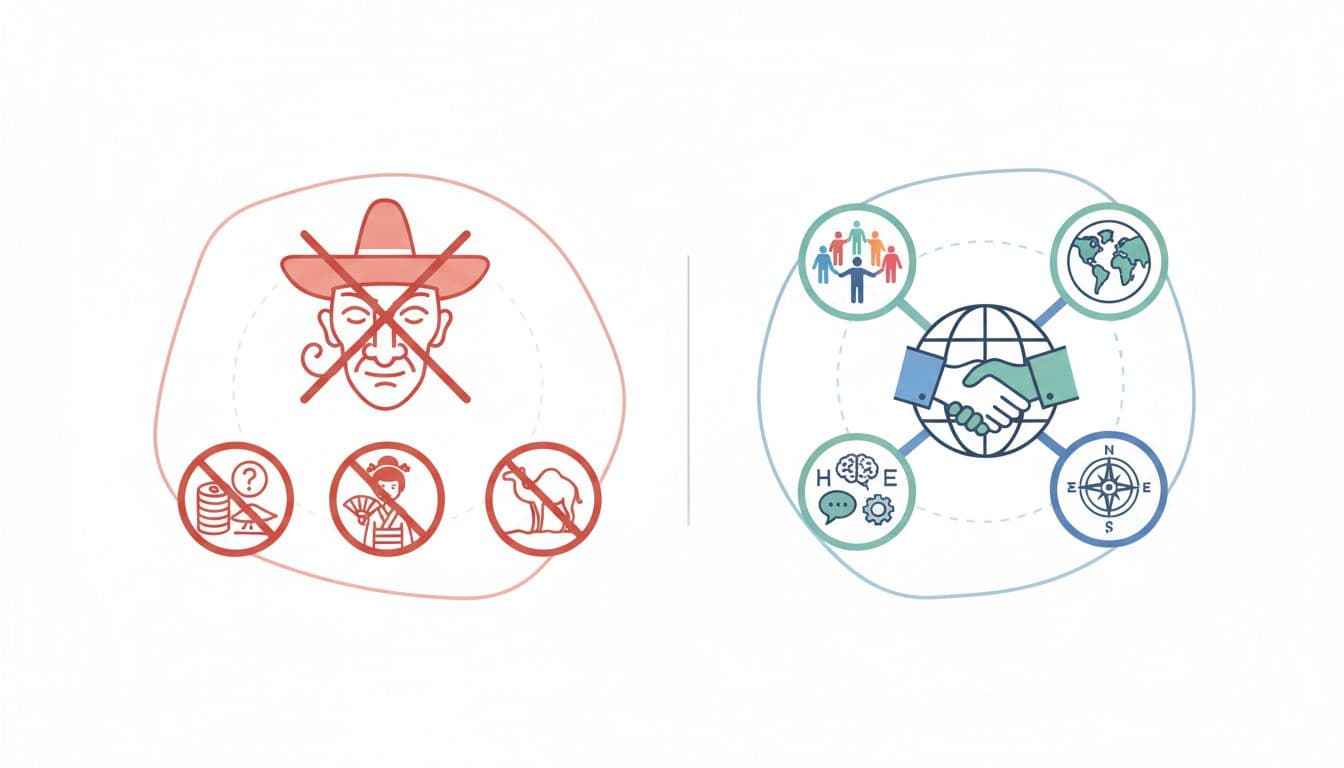
- Stereotyping: The note assigns a trait to a whole group, such as “people here are indirect” or “families are very traditional.” Rewrite it as a pattern with limits, not a label.
- Overgeneralization: A workplace habit, tourist setting, or urban norm gets presented as national fact. Add the setting, then state that usage varies.
- Outdated references: Old slang, payment habits, phone etiquette, or social rules remain long after usage shifts. Time-stamp references during review, especially after major content updates.
- Missing regional detail: One variety stands in for the whole language. That can mislead learners fast in Spanish, Arabic, French, Portuguese, Chinese, and many more.
- Missing context: The learner sees a phrase but not the situation. A cultural note without setting is like a map with no legend.
- Level mismatch: The explanation expects more language skill than the lesson does. This often appears alongside weak teaching design, similar to issues found in a 10-minute grammar audit checklist.
For reviewer training, it helps to define terms before scoring. A short cultural competence overview can help teams align on what counts as stereotype, context, and variation.
Use the quick check as triage, not approval
A 15-minute pass is a gate, not a final sign-off. If notes touch identity, migration, religion, race, social class, or historical memory, bring in native or regional experts. One fluent reviewer cannot speak for every group, city, or age range.
Track changes by locale, learner goal, and proficiency band. Then re-check after updates, because cultural notes age faster than grammar tables. In short, better cultural notes are current, situated, inclusive, and easy to read. That is what keeps learners from memorizing the wrong social script.