A “10-minute lesson” can feel a lot longer when you’re the one squeezing it into lunch break. The app may promise a quick win, but your clock counts everything, not only the quiz itself.
That’s why language app lesson time matters more than the label. If a lesson needs setup, review, repeated attempts, and a streak screen before you can stop, the real session may be 15 to 20 minutes. A quick check helps you see what you’re truly signing up for.
Why 10-minute lessons often run over
Most apps estimate the lesson core, not the full session. In practice, real study time can stretch because of opening lag, review loops, audio replay, ads on free plans, and those little end screens that keep you tapping.
Recent April 2026 reviews and comparisons point in that direction. Duolingo is often marketed around short, 5 to 10 minute use, yet users often describe longer sessions once review and extras are included. Babbel and Busuu are commonly described as closer to 10 to 15 minutes. Drops still fits tighter, five-minute vocab bursts in its free model, but that format is narrower and doesn’t replace a fuller lesson path.
Here’s the simple rule: if it takes your time, count it.
The table below shows what usually gets missed in a lesson estimate.
| Part of the session | Often included in the app’s estimate | Should you count it? |
|---|---|---|
| Opening the app and getting to the lesson | Rarely | Yes |
| Core exercises | Usually | Yes |
| Repetition and end-of-lesson review | Sometimes | Yes |
| Streak screens, rewards, and ads | Rarely | Yes |
| Re-doing weak items or speaking again | Rarely | Yes |
That last row matters more than it seems. A lesson isn’t finished when the app says “great job.” It’s finished when you can stop without feeling half-done.
If you want to measure that startup friction too, LanguaVibe’s warm-start speed test for language apps is a useful companion. It helps explain why a short lesson can still feel slow.
How to run your own language app lesson time check
You don’t need a spreadsheet or a lab setup. You need one phone, one lesson, and one timer.
If the timer starts when you tap the app, you’ll get the number your schedule feels.
Use this quick method on the same device and network each time:
- Start the timer the moment you open the app.
- Complete one normal lesson without rushing.
- Include every repeat, review, audio replay, and streak-related action you can’t skip.
- Stop only when you’re truly ready to close the app.
Then write down two numbers: the core lesson time and the total session time.
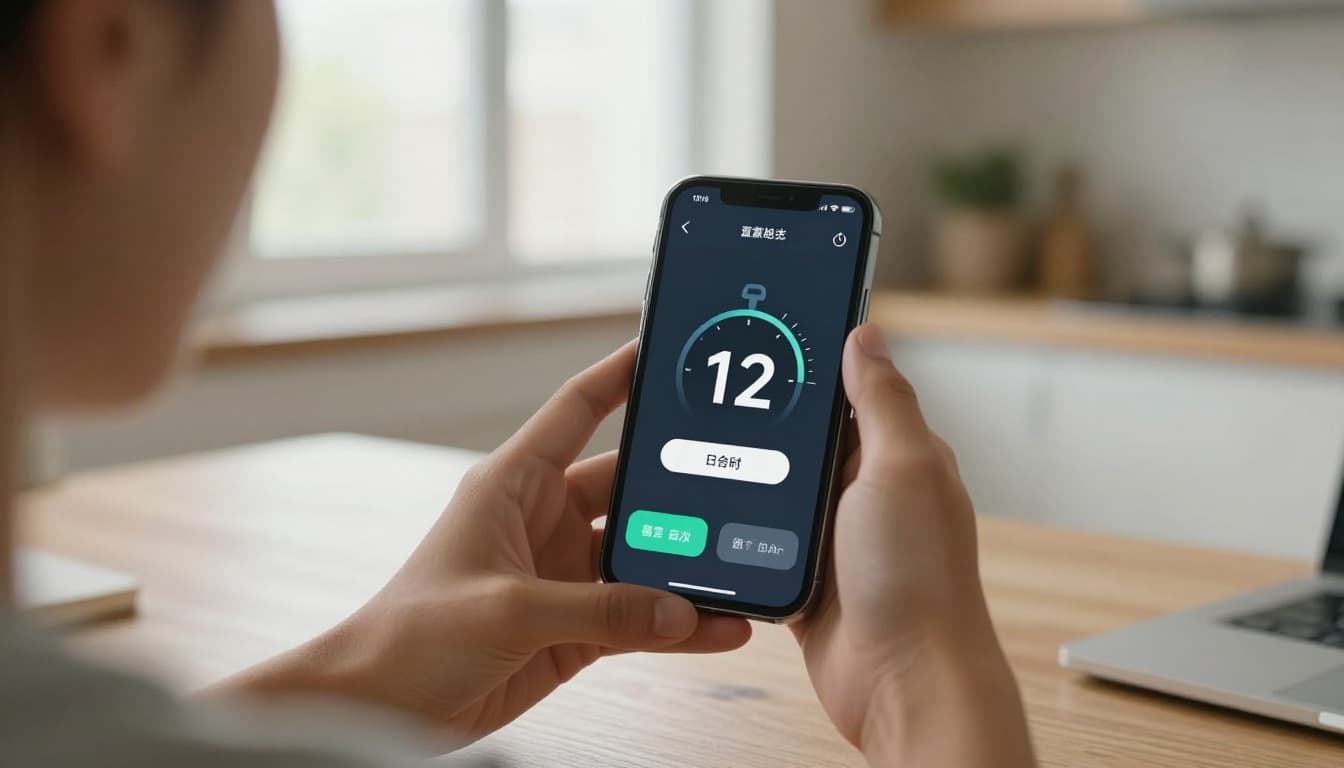
A better test adds one more step. After the lesson, spend one minute recalling three words or one sentence without looking. If you can’t produce anything without hints, the app may have filled your time with recognition, not recall.
That’s where time and quality meet. An 8-minute lesson that leaves nothing in your head isn’t faster in any useful sense.
Repetition also deserves a closer look. Some review is good. However, recycled prompts with the same hint style can pad lesson time without adding much. LanguaVibe’s language app redundancy test helps you spot that problem fast.
If you’re comparing several tools, test the same topic in each app. Try greetings, travel phrases, or present tense basics. Keep the task constant. Then compare total time, not only the lesson badge.
You can also scan broader app differences in this language learning apps comparison, but your own stopwatch still tells the truth that matters most.
How much daily time do you actually need?
Ten minutes a day is enough to keep contact with a language. It can build habit, refresh vocabulary, and stop long gaps. That’s useful, especially for beginners.
Still, habit and progress aren’t the same thing. Smooth speaking, stronger listening, and sentence recall usually need more than a tiny daily burst. In real life, many learners need closer to 15 to 20 minutes for one honest app session, plus a little output.
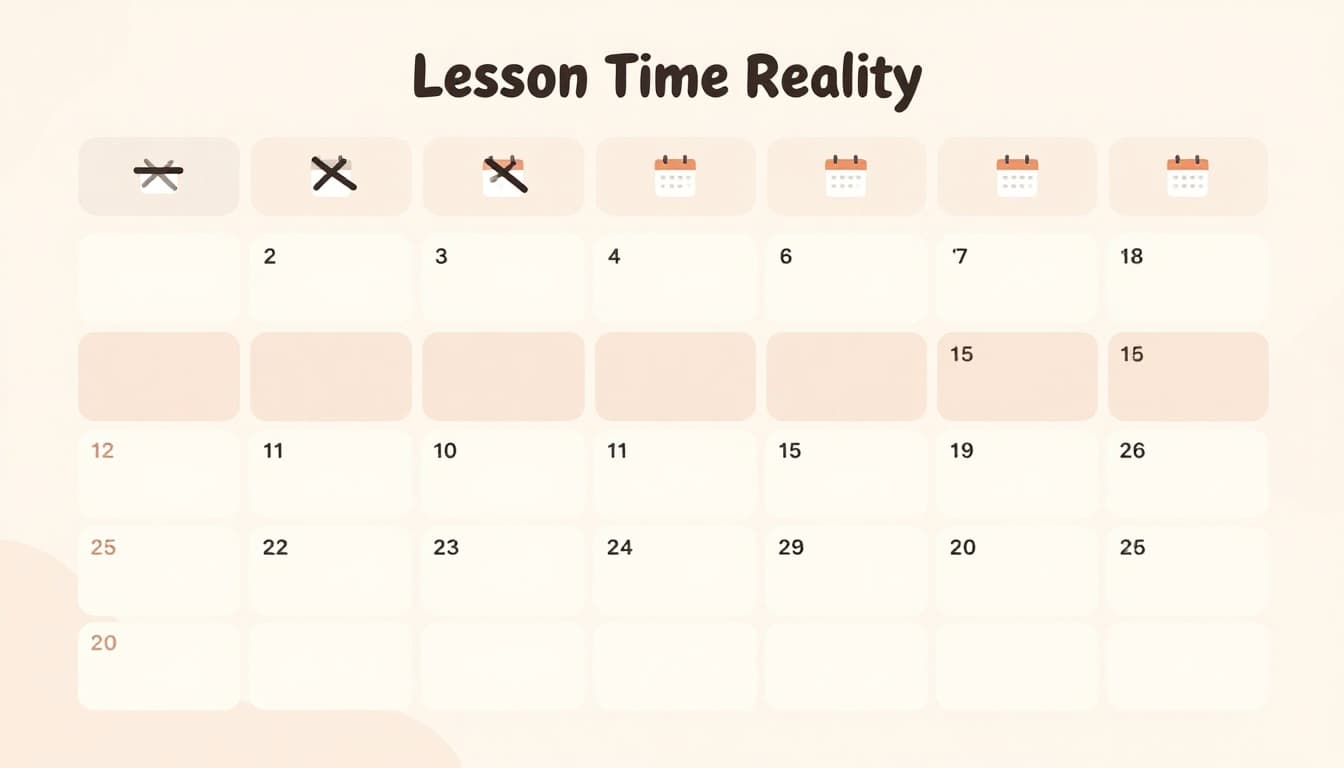
A practical target looks like this:
- Ten minutes works for review, streaks, and light exposure.
- Fifteen to twenty minutes works better for one lesson plus recall.
- Thirty minutes, a few times a week, helps much more with speaking or writing.
That doesn’t mean every app must take longer. It means you should match the app to the job. Drops can be great for quick vocab bursts. Babbel often suits learners who want structured, adult-focused lessons. Duolingo can make daily contact easier. Memrise can vary more by course and review mode, so timing it yourself matters.
Also, newer AI features can change the clock. Chat, correction, and roleplay may add minutes, but they can also add better output practice. This breakdown of AI approaches in language learning apps explains why a smoother experience doesn’t always mean stronger learning.
For a wider habit-and-results lens, see LanguaVibe’s 10-minute reality check for language apps. It pairs well with this timing test.
A lesson estimate is a promise about convenience, not proof of progress. Your timer tells you whether that promise fits your day.
The smart move is simple: time one full lesson tonight, then compare the app’s number with your own. Real lesson time is the one you can repeat tomorrow, without feeling misled.