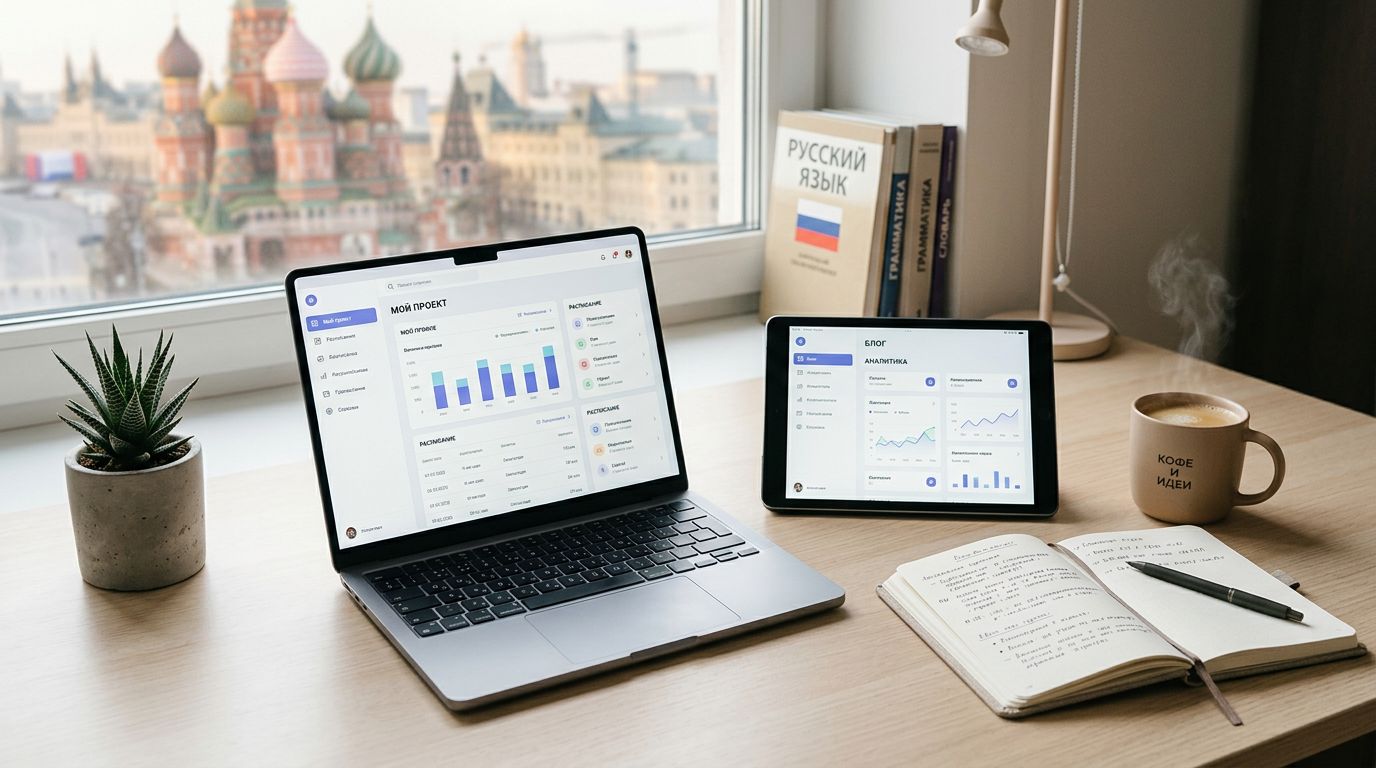
Russian learning apps only work when they tackle the hard parts of the language. Cyrillic is the easy part. Cases, verb aspect, stress, and fast native speech are what usually slow people down.
The best Russian learning apps in 2026 give you structure, strong audio, spaced repetition, and real practice. They also respect your time, which means one main course and a couple of support tools usually beat a crowded phone screen. Start with the comparison below, then match each app to your weakest skill.
Quick comparison of the strongest Russian apps in 2026
Prices shift often, so treat these as rough 2026 ranges.
| App | Best for | What it does well | Main limit | Rough price | Role |
|---|---|---|---|---|---|
| Rocket Russian | One complete course | Deep grammar, dialogues, speaking drills | Expensive up front | About $99.95 to $259.90 one-time | Primary |
| Babbel | Structured grammar | CEFR A1 to B1, clear lessons, offline use | Stops before advanced Russian | About $7 to $15/mo | Primary |
| Pimsleur | Speaking confidence | Audio-first drills, pronunciation, recall | Thin reading and writing | About $19.95/mo | Primary for speech |
| Busuu | Writing and feedback | CEFR A1 to B1, native corrections | Russian depth is limited | About $10/mo | Primary or supplement |
| Memrise | Listening and pronunciation | Native-speaker clips, real speech | Grammar is light | About $8 to $9/mo | Supplement |
| RussianPod101 | Listening practice | Large audio library, transcripts | Path can feel scattered | About $4 to $25/mo | Supplement |
| LingQ | Reading input | Real texts, vocab tracking | Grammar help is thin | About $0 to $12/mo | Primary or supplement |
| Anki | Memory system | Custom SRS decks, full control | No built-in course | Free | Supplement |
| Clozemaster | Context vocabulary | Sentence-based repetition | Little explanation | About $0 to $12/mo | Supplement |
| Rosetta Stone | Immersion practice | Steady exposure, pronunciation focus | Low explicit grammar | About $7 to $15/mo | Primary or supplement |
The pattern is clear. The strongest apps either teach Russian directly or give you lots of real input. The weak ones feel friendly at first, then stop short of serious progress.
What serious Russian learners need from an app
Russian is unforgiving if an app skips the basics. You need Cyrillic to become automatic, then cases and verb aspect to stop feeling like puzzles. If the app hides those behind cute phrases, it will cost you time later.
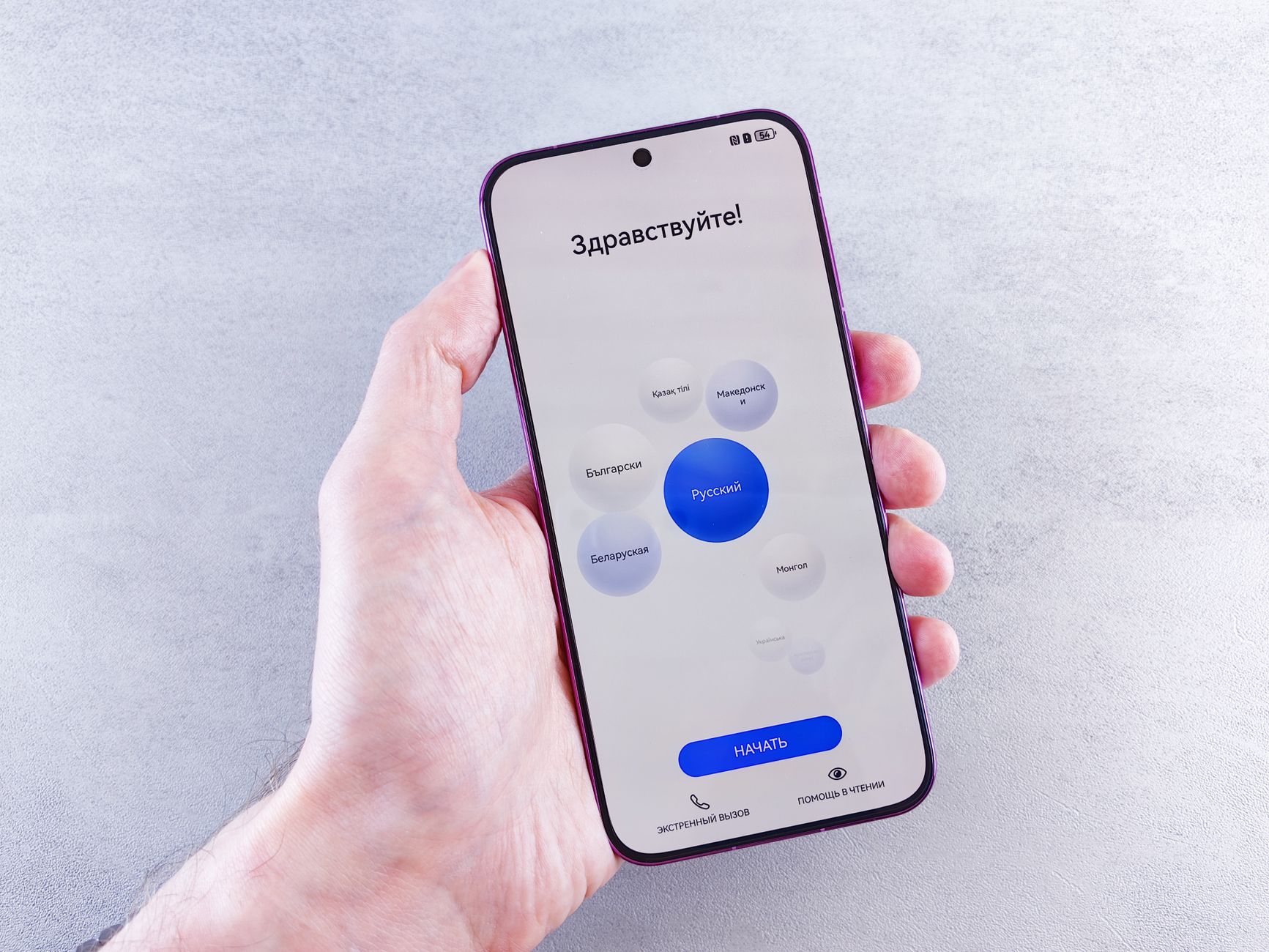
Photo by Andrey Matveev
Audio matters just as much. A good Russian app should use native speech, slow audio when needed, and sentence-level practice. It should also help with pronunciation, not just recognition. Most of the paid apps here work on both phone and web, and offline access helps a lot on commutes or flights.
A Russian app earns its keep when it makes endings and listening speed feel normal early.
If you want a Russian-first tool that drills forms instead of treating them as a side note, Slova’s case and conjugation tools are worth a look. MemRussian’s declension drills takes a similar route. That focus matters because Russian learners often need help with the same pain points, case endings, verb forms, and word order, over and over.
The apps that deserve attention in 2026
Best full courses
Rocket Russian is the strongest all-in-one pick if you want one paid course that goes beyond beginner fluff. It covers grammar, dialogues, and speaking practice, and the one-time price can make sense if you dislike subscriptions. The downside is simple. It costs far more upfront than most rivals, so it should be a serious purchase, not an impulse install.
Babbel is the safer choice for many learners. Its Russian course follows a CEFR path from A1 to B1, so you know where you stand. The explanations are clear, the pacing is controlled, and offline lessons help on busy days. It is less ambitious than Rocket Russian, though, so advanced learners will outgrow it.
Rosetta Stone still has a place if you learn well through repetition and context. It is strongest for habit-building, pronunciation, and steady exposure. Still, Russian grammar can stay fuzzy if you rely on it alone, especially when cases and aspect need direct explanation.
Best for speaking and listening
Pimsleur remains one of the best choices for speaking confidence. Its audio-first design forces you to answer out loud, which is exactly where many Russian learners freeze. It is not a full reading course, but it is excellent for pronunciation, listening, and recall under pressure. If your mouth needs training more than your eyes do, Pimsleur makes sense.
Busuu sits in a different lane. It gives you CEFR-structured lessons and native-speaker feedback on written exercises. That human correction matters because it stops bad habits before they stick. Busuu is not deep enough to be your only Russian tool, but it is useful when you want someone to check your output.
Memrise is best when you want real voices and better ear training. Native-speaker clips are a plus, because Russian accents and speed can surprise learners who only know studio audio. RussianPod101 works well too, especially if you want long listening sessions with transcripts. Its library is wide, though the path can feel less focused than Babbel or Pimsleur.
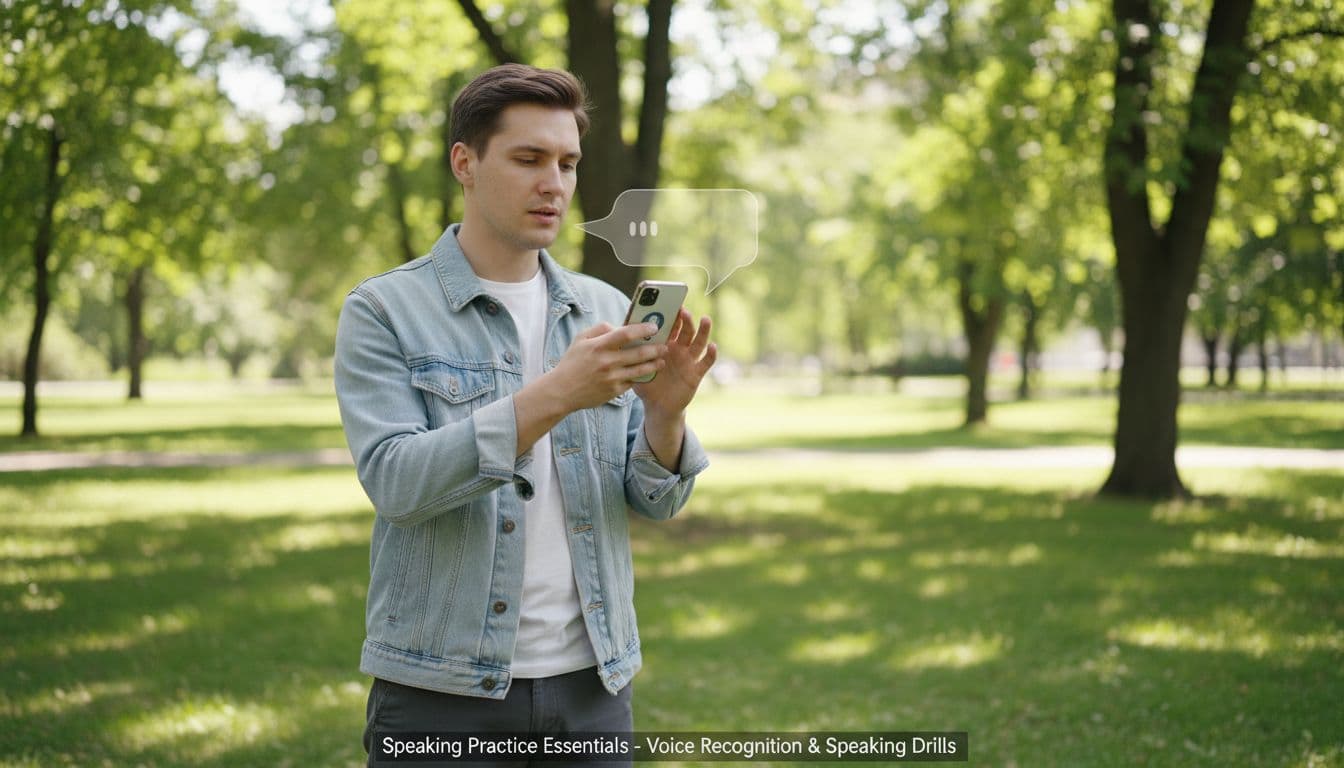
If speaking is your bottleneck, start with Pimsleur. If listening is the problem, Memrise or RussianPod101 can do more for you. If feedback matters most, Busuu gives you the clearest correction loop.
Best for reading and memory
LingQ is the best choice once you want real Russian text instead of app-only sentences. Articles, stories, and transcripts build vocabulary faster because words stay tied to context. That matters in Russian, where case endings change the shape of what you see on the page.
Anki remains the memory engine serious learners return to. It is free on Android and works well on desktop, but you have to build the system yourself. That sounds tedious until you realize it lets you target exactly what you miss, such as verbs of motion, aspect pairs, or stress patterns. It is a tool, not a course, and that is why it works.
Clozemaster is easier to start with because it gives you sentence-based repetition without much setup. It helps word recall in context, which is better than random flashcards, but it does not teach Russian grammar from scratch. Use it as a supplement once you already have a base.
Where free apps still help
Duolingo still has a place for the first week or two, especially if you need Cyrillic, simple nouns, and a low-friction start. After that, it becomes too shallow for motivated learners. It is a starter tool, not a serious roadmap.
Drops is better as a five-minute vocabulary warm-up. It helps with recall and gives you a short daily burst, but it does not explain why Russian words change shape. That is fine as long as you treat it like a warm-up, not the main workout.
Free apps work best when they support a real plan. If you are serious about progress in 2026, use them to keep momentum on light days, not to define your study path.
How to choose the right stack
A sensible Russian setup is simple. One app should teach structure. One app should feed your ears. One app should protect your memory.
- Want one main course? Choose Rocket Russian or Babbel.
- Need more speaking? Use Pimsleur, then add Busuu or Memrise.
- Need reading practice? Pair LingQ with Anki.
- Want cheap daily review? Use Clozemaster, Duolingo, or Drops as supplements.
Three well-chosen tools beat seven half-used subscriptions. That matters more than app ratings or polished interfaces. The best stack is the one you can keep using on ordinary days.
Conclusion
Russian apps matter most when they tackle the language’s hard parts, not when they gamify the easy ones. If you want structure, Rocket Russian and Babbel lead the pack. If you need speech and listening, Pimsleur, Memrise, and Busuu do more of the right work. If you need real input and retention, LingQ, Anki, and Clozemaster keep progress from leaking away.
The smartest move in 2026 is to choose one main course and one support tool. That keeps you focused on Cyrillic, cases, aspect, and listening until they stop feeling foreign. The best app is the one that makes Russian usable, not just familiar.
Ready to Take Your Language Learning Further?
Your favorite language-learning app is a great place to start. Rocket Languages can help you go further with interactive audio lessons, pronunciation practice, real-world conversations, and structured learning.
Explore Rocket Languages →Affiliate disclosure: We may earn a commission if you purchase through this link, at no additional cost to you.