
“Free” often means “free until you make three mistakes.” If you’re tired of hearts, timers, and streak pressure, a few apps still let you study without a daily stop sign.
As of April 2026, that list is smaller than most roundups suggest. Some apps are fully free. Others are freemium, but their core free use is still unlimited. That difference matters more than flashy marketing.
What “no daily limits” should mean now
For this list, an app had to let you keep using its main free feature without hearts, short session timers, or lesson caps. Ads and upgrade prompts are annoying, but they don’t fail the test by themselves.
Broader reviews, including PCMag’s 2026 free language app testing, show how slippery the word “free” has become. A lot of apps give you a taste, then pull up the gate.
If the free plan stops real practice after a few minutes, it doesn’t belong in a no-limit list.
Only one option here is close to fully free across most platforms, Anki, though iPhone users still face a paid native app. The rest are freemium with unlimited core use. If you want to spot that difference faster, LanguaVibe’s language learning apps reality check is a good filter.
Here’s the short version:
| App | Best for | Free use in 2026 | Platforms |
|---|---|---|---|
| HelloTalk | Real conversation | Unlimited core use | iOS, Android |
| Tandem | One-on-one exchange | Unlimited core use | iOS, Android |
| Memrise | Vocab and listening | Unlimited core use | iOS, Android, web |
| Beelinguapp | Reading with audio | Unlimited core use, some content locked | iOS, Android |
| Anki | Custom review | Unlimited, mostly fully free | Android, web, desktop, iOS app paid |
That split matters. A freemium app can still be a great free app if the main study loop stays open.
The free language apps that still pass the test

HelloTalk for real speaking practice
HelloTalk is the strongest pick if you want to speak with real people, not just tap answers. Its free plan still allows unlimited messaging, partner search, corrections, community posts, and access to live or replay sessions on iOS and Android.
You can chat by text, voice, and video, so it feels closer to real use. The downside is unpredictability. Some partners vanish, and some conversations go nowhere. A few translation and filter tools sit behind VIP. Still, its core use remains open, which matches the app’s own 2026 free app review.
Tandem for calmer language exchange
Tandem works best if you want a simpler, less crowded version of language exchange. The free tier still gives unlimited partner browsing, messaging, and basic text, voice, and video chats on iOS and Android.
It has fewer built-in lessons than HelloTalk, so it won’t guide you much. On the other hand, that lighter feel suits casual learners and travelers. Premium mainly adds better filters and extra tools. Because the app depends on other humans, results still hinge on finding the right match.
Memrise for unlimited vocab and listening
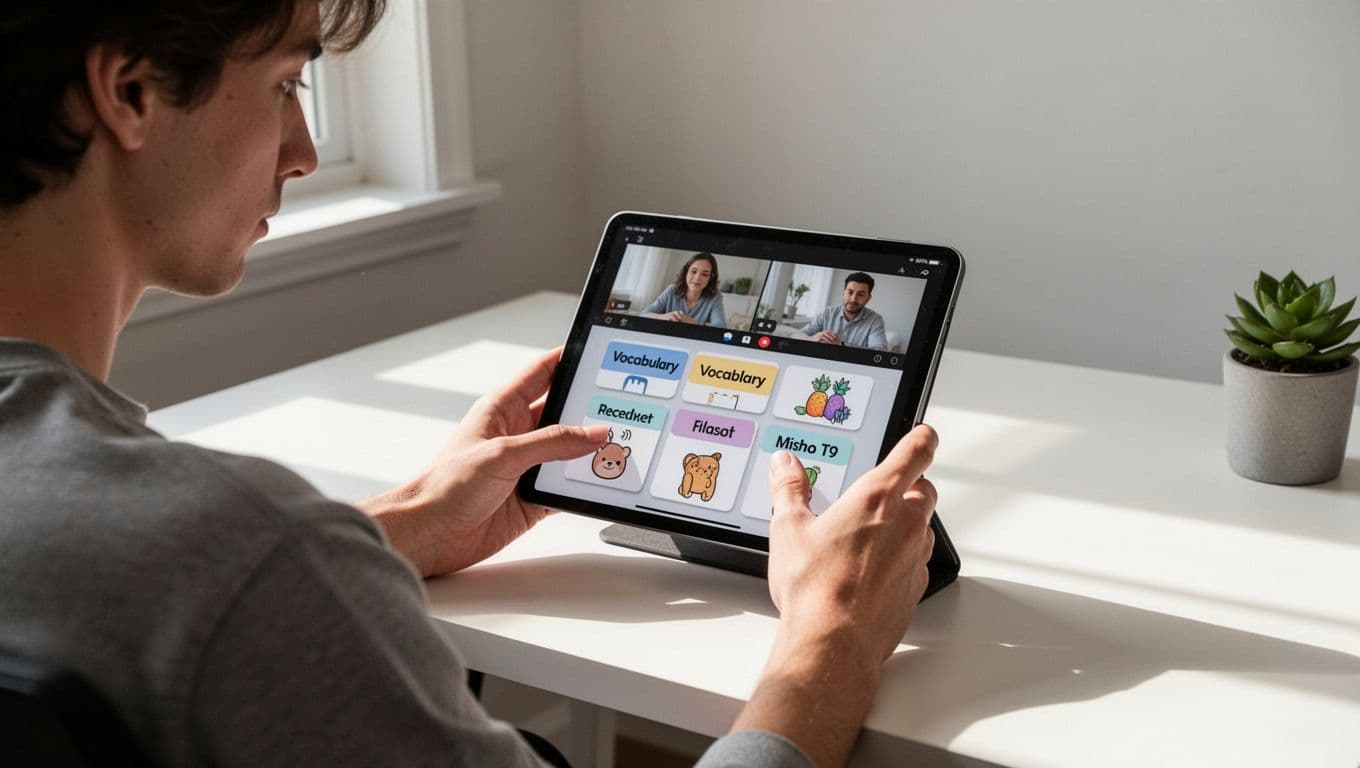
Memrise is one of the better free language apps if you want steady vocab growth without daily caps. In 2026, its free plan still allows core study, user-made courses, video-based listening, and progress tracking on iOS, Android, and the web.
Its strength is exposure to real speech. The app feels more alive than plain flashcards because you hear native speakers in context. Still, grammar help stays thin, and official paths often nudge you toward Pro. Expect ads, too. If your main goal is speaking from scratch, Memrise works better as a support tool than a full plan.
Beelinguapp for reading and audio together
Beelinguapp is ideal if you learn well through stories. The free version still offers unlimited use of bilingual reading and audio on iOS and Android, with side-by-side text that lowers the stress of reading something new.
It’s easy to use on a train, in bed, or during short breaks. That said, it doesn’t train speaking much, and some stories are still premium-only. Ads can interrupt the flow. Think of it like a parallel-text reader with audio, not a full language course.

Anki for custom review with zero caps
Anki is the workhorse choice. It’s best for learners who want total control over review, whether that’s vocab, grammar, sentences, or exam prep. On Android, web, and desktop, you can create or import unlimited decks for free and study as long as you want.
The catch is simplicity in the wrong sense. Anki gives you power, not polish. There are no guided lessons, streak tricks, or built-in conversations. Also, the iPhone app still has a one-time fee, though the web version remains free. If you like building your own system, nothing else here is as flexible.
Popular apps that look free, but don’t qualify
Several big names still miss the mark in 2026. Duolingo’s hearts can stop a session when you make too many mistakes. Drops still keeps its short daily timer. Busuu, Clozemaster, Lingodeer, and Mondly all limit free progress through lesson caps, narrow previews, or daily gates.
Those apps may still be useful paid options. They simply don’t fit a no-limit promise, so they don’t belong in this list.
Which app makes sense for your goal
Think of these apps like tools in a small travel kit. HelloTalk and Tandem are for live output. Memrise is for high-volume vocab and listening. Beelinguapp trains reading flow. Anki handles memory and review.
That means you probably don’t need one perfect app. You need one app for your weak spot. A traveler might pair Memrise with HelloTalk. A student might combine Anki with Beelinguapp. If you want to check whether a free app builds real skill or only busy tapping, run LanguaVibe’s 10-minute real progress check.
The best free language apps in 2026 aren’t the loudest ones. They’re the ones that let you keep going, whether you have five minutes or fifty.
If unlimited access matters more than badges, the safest picks are HelloTalk, Tandem, Memrise, Beelinguapp, and Anki, each with clear tradeoffs. Pick the skill you need most, then choose the app that stays out of your way.