
An app can feel smart in the first minute and still waste your time by week three. With language learning apps, the better early question is not “Will this make me fluent?” It’s “Does this app make me work in a useful way within 15 minutes?”
That short test reveals more than app store ratings ever will. In one session, you can tell whether an app helps you build words, habits, and beginner comfort, or whether it mostly rewards easy tapping.
Why 15 Minutes Exposes the App’s Real Teaching Style
The first 15 minutes work like a stress test. They show the app’s teaching logic before your streak, sunk cost, or subscription bias kicks in. If the opening is all badges, hints, and one-tap wins, you’ve learned something already.
A good first session should do three things fast. It should place you at a sensible level, give you one real learning task, and show how it handles mistakes. Think of it like test-driving a car around the block. You won’t know everything, but you will know if the brakes feel right.
Research on app-based study is encouraging, but limited. Coverage from Michigan State University and a ScienceDaily summary of the same research points to measurable gains for beginners using structured apps. Still, that doesn’t mean an app alone builds smooth conversation, strong pronunciation, or deep grammar control.
So, don’t use the first session to hunt for magic. Use it to judge fit. If you want a broader side-by-side filter after this first test, LanguaVibe’s quick 15-minute language app comparison helps sort hype from actual use.
What Good Language Learning Apps Reveal in the First Session
They ask you to recall, not only recognize
Recognition feels good because it’s easy. Recall feels harder because it is. That’s why the first 15 minutes should include at least one moment where you must remember something without a full hint.
For example, a weak lesson might show “red” with a picture and ask you to tap the match. A stronger lesson will later ask you to type or say the word from memory. The same goes for phrases. If the app never makes you produce language, it may help with exposure, but it won’t tell you what you can truly use.
That doesn’t make light practice useless. Many language learning apps are solid for vocabulary growth, habit-building, and low-pressure beginner contact with a new language. Yet if every task feels like a multiple-choice game, the learning ceiling appears early.
They correct you in a way that teaches
A red X is not feedback. A score is not feedback either. In the first session, look for what happens after you miss something.
Does the app explain why your answer was wrong? Does it replay the audio slowly? Does it show the word in a sentence? Does it save that mistake for review? Those details matter because they tell you whether the app teaches or only judges.
If an app can’t give one helpful correction in 15 minutes, don’t expect better teaching later.
Pronunciation is another early clue. Some apps let you record your voice, but the quality varies. If the response is vague, such as “try again,” that’s thin help. The same goes for grammar. If word order changes but the app never explains the pattern, beginners often hit a wall.
For speaking beyond set phrases, you’ll usually need more than an app alone. That’s why many learners move toward top Duolingo alternatives for serious learners when they want stronger output, clearer grammar, or live correction.
A Simple 15-Minute Scorecard You Can Use Today
Use this while the app is still open.
| Check | 0 points | 1 point | 2 points |
|---|---|---|---|
| Lesson fit | Off-goal or random | Somewhat relevant | Strong match for your goal |
| Active recall | Tap-only tasks | A little typing or speaking | Clear recall without full hints |
| Feedback quality | Marks wrong only | Basic correction | Explains, replays, or reviews errors |
| Friction and paywall | Pushy, slow, or blocked | Minor annoyance | Smooth and usable |
| Next-step clarity | No clear study path | Some direction | Obvious review and progress path |
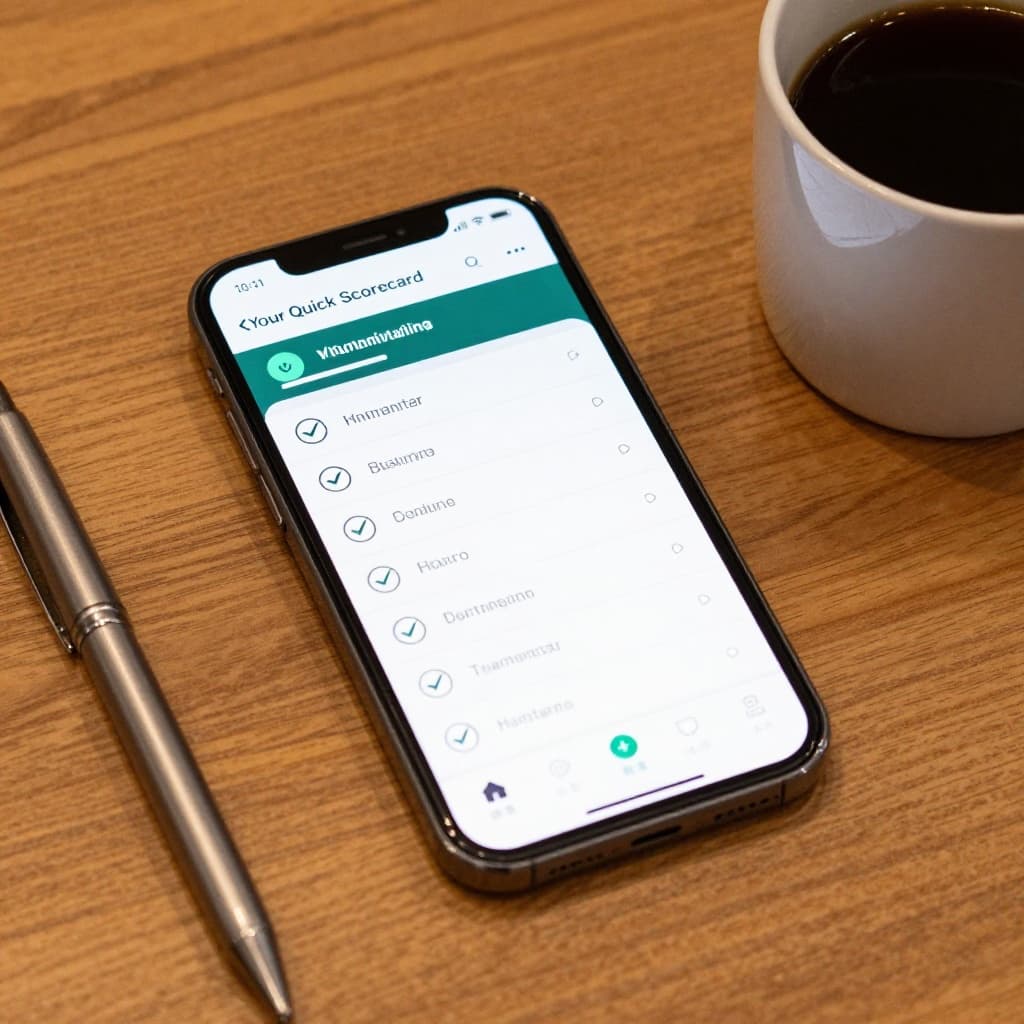
Here’s the simple read. A score of 8 to 10 means the app is worth a longer trial. A 5 to 7 means it may work as a support tool. A 0 to 4 usually means it’s polished marketing with weak practice underneath.
Also, watch for artificial limits. If the app stops useful study after a few mistakes or a few minutes, it may block the habit you’re trying to build. In that case, these best free language apps with no daily limits are a better place to look.
The best result is often modest, not dramatic. Keep the app if it gives you clear review, steady vocabulary work, and a routine you can repeat. Add something else if you need real conversation, better pronunciation checks, or deeper grammar.
The mastery threshold is simple: after 15 minutes, do you feel trained, or only entertained? That answer is usually honest enough to trust.
Ready to Take Your Language Learning Further?
Your favorite language-learning app is a great place to start. Rocket Languages can help you go further with interactive audio lessons, pronunciation practice, real-world conversations, and structured learning.
Explore Rocket Languages →Affiliate disclosure: We may earn a commission if you purchase through this link, at no additional cost to you.