You can recognize Somali words in an app and still struggle when someone replies to your greeting. The strongest resources for the Somali language combine a structured Somali course, clear recordings, and regular speaking practice.
For Somali for beginners, one textbook, a dictionary, and a vocabulary tool are a practical starting point instead of several subscriptions. Heritage learners may need a different balance, with more reading and spelling alongside familiar speech.
Start by choosing resources for the skill you need next.
Key Takeaways
- Use Colloquial Somali for guided beginner study and Barashada Naxwaha Af Soomaaliga for Somali-language grammar reference.
- Digital Dialects provides free vocabulary games; LinGo Play offers a larger advertised vocabulary collection with subscription access.
- Practise vowel length and the sounds written x and c with recordings and feedback.
- Pair written lessons with conversation, especially when learning a regional variety.
Choose Somali Learning Resources by Skill
Somali belongs to the Cushitic branch of the Afro-Asiatic family, alongside languages such as Oromo and Afar. Frequently quoted estimates put its speakers at around 16 million, but that isn’t a current census count.
Somali is an official language in Somalia and Somaliland. It’s also widely spoken in Djibouti, where Arabic and French are the official languages.
These resources fill different roles:
| Resource | Best use | Level | Cost or access |
|---|---|---|---|
| Colloquial Somali | Structured lessons and dialogues | Beginner | Paid textbook |
| Barashada Naxwaha Af Soomaaliga | Grammar explained in Somali | Literate heritage learners and intermediate students | Book or library access |
| Digital Dialects | Basic vocabulary recall | Beginner | Free browser games |
| LinGo Play | Vocabulary and phrase practice | Beginner onward | Subscription with introductory trial options |
| Somali dictionary | Somali-English reference for reading | All levels | Published reference books |
If you’re looking for Somali for beginners, start with Colloquial Somali as a structured Somali course. If you already understand family conversations, focus more on literacy and grammar.
Learn Somali Script and Pronunciation Together
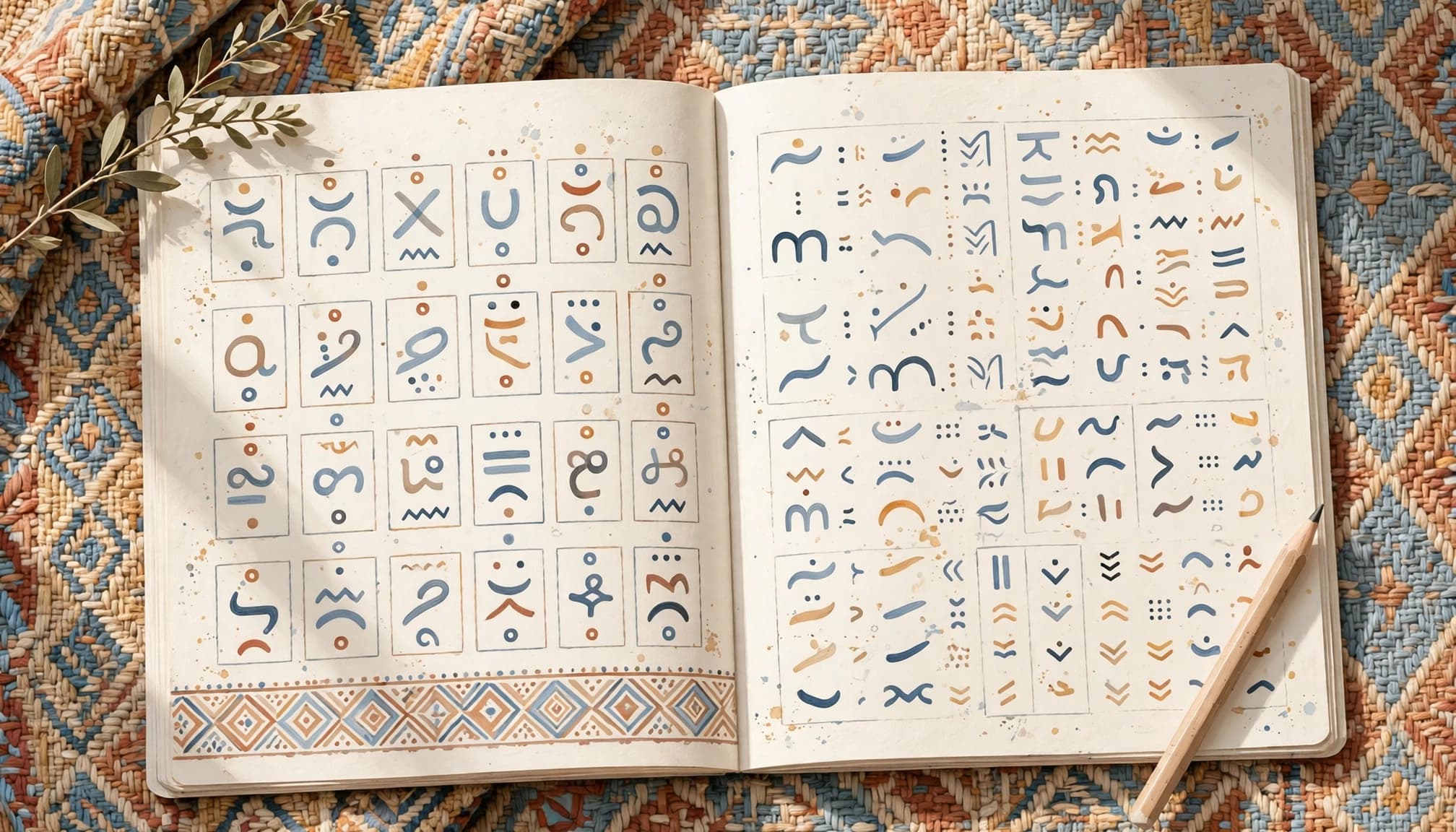
The Latin Alphabet Is Familiar, but Its Sounds Differ
Somali had a strong oral tradition before adopting its official Latin-based alphabet in 1972. Earlier writing systems existed, so calling Somali entirely unwritten before then would be misleading. The historical study The Policy to Romanize Somali explains that decision.
Modern Somali spelling uses familiar letters, plus combinations such as dh, kh, and sh. English pronunciation rules won’t give you accurate Somali sounds.
The letters x and c represent pharyngeal sounds also found in Arabic. To practise Somali pronunciation, listen to a speaker say a short word, repeat it, and record yourself. Don’t force your throat to produce an exaggerated sound.
Doubled Vowels Carry Meaning
Somali writes long vowels as aa, ee, ii, oo, uu. Length can distinguish words, so doubled vowels aren’t optional spelling details.
For example, san means “nose,” while saan can mean “hide” or “skin.” The sometimes-repeated glosses hog as “leader” and hoog as “air” are inaccurate: hoggaamiye means leader, hawo means air, and hoog refers to calamity or distress.
The Somali alphabet and vowel guide explains how doubled letters represent long vowels. Practise them in recorded words, then in complete phrases.
Books and Dictionaries Worth Using
Grammar Books: Match the Language of Explanation
Colloquial Somali, by Martin Orwin, is a practical starting point for English-speaking beginners. Its dialogue-based Somali lessons connect vocabulary with sentence patterns. Work through the accompanying audio alongside the printed lessons rather than treating the book as silent reading.
Barashada Naxwaha Af Soomaaliga is a Somali school grammar. Its explanations make it a useful Somali grammar resource for literate heritage learners or students working with a teacher.
Grammar needs more care than a few shortcut rules suggest. Somali has masculine and feminine nouns, but consonant or vowel endings don’t reliably determine every noun’s gender. Learn each noun with its article and a sentence.
Similarly, subject-object-verb is a useful starting description, but focus markers affect sentence structure. Waa is a declarative marker, not a present-tense ending. Past forms can contain -ay, but that isn’t a universal past-tense rule.
Dictionaries: Prefer Bilingual References at First
Two published references worth knowing are Somali-English Dictionary, by R. David Zorc and Madina M. Osman, and Abdirahman Farah’s Somali-English Dictionary.
For beginners reading Somali, a bilingual Somali dictionary with Somali-to-English lookup is useful. However, a dictionary can’t replace a course: an English gloss rarely explains how to use the word naturally.
Save the sentence where you encountered a new word. Include its spelling, meaning, and grammatical information when available. Specialist dictionaries for plants, physics, or chemistry belong later, when those subjects match your needs.
Free Websites, Apps, and Downloadable Materials
Digital Dialects: A Free First Vocabulary Tool
Digital Dialects offers free Somali HTML5 games in a browser, where beginners can learn Somali online and practice Somali vocabulary. Its activities include numbers up to twelve and a 17-noun vocabulary quiz, alongside topics such as animals, fruit, and vegetables.
Begin with kow (one), laba (two), and saddex (three). After a game, close the page and recall the words aloud without pictures.
These activities are useful for recognition and repetition. However, they don’t provide a complete grammar sequence or teach you to manage unexpected replies.
LinGo Play: Vocabulary Practice with Paid Access
The LinGo Play Somali learning app advertises 600+ lessons, 5,172 flashcards, 4,141 words, 373 phrases, and 16 exercises. Its promotional material also describes online tournaments and a certificate.
Those figures describe the advertised collection, not evidence of conversational proficiency. A certificate or tournament score doesn’t show whether you can understand spontaneous speech.
The Google Play listing describes subscription trials of three or seven days, followed by automatic renewal. Introductory access isn’t the same as an ongoing free course.
Promotional study suggestions vary between 10 to 15 minutes and 5 to 10 minutes daily. Either can support vocabulary review, but add listening and spoken recall.
Free PDFs: Separate Downloads from Complete Courses
The NSW health service hosts a free Somali alphabet reference PDF showing consonants and short and long vowels. It’s a useful printable reference, not a full beginner course.
For textbook study, use publisher editions or library copies rather than assuming an unattributed scan is an authorized download.
Anki can organize vocabulary from your course. Our Anki and SuperMemo comparison explains their review approaches. Create sentence flashcards, and attempt the answer before revealing it.
Add Audio and Conversation Early
Turn Recordings into Active Practice

Textbook recordings are easier starting material than unrestricted broadcasts because you have matching text. Later, BBC News Somali and VOA Somali provide authentic listening, although news vocabulary can overwhelm beginners.
First, listen without reading. Next, use the transcript to identify missed words. Then practise Somali pronunciation by repeating and recording a short phrase before giving a related reply.
Use the Somali alphabet pronunciation guide alongside recordings when spelling and sound don’t match your expectations.
Recognizing a phrase after hearing it is easier than producing it before seeing the answer. Practise both tasks.
Choose Conversation Partners for Regional Fit
“Somaliland dialect” isn’t one uniform teaching label. Many learners mean northern Somali varieties used there, but pronunciation and vocabulary also vary within the region.
For that goal, work with a speaker from the community you want to communicate with. Ask for everyday expressions and corrections based on that variety. A general Somali course shouldn’t be assumed to teach speech specific to your intended region.
Preply is one paid tutoring option; family members or exchange partners can also provide conversation practice. Bring a short recording or questions from your lessons so each exchange addresses a real difficulty.
A Beginner Weekly Study Plan
A manageable routine pairs brief daily practice with one longer speaking session. This schedule takes roughly two to three hours weekly:
- On Monday and Tuesday, spend 15 minutes on Somali lessons from a textbook and its recording. Read aloud, then recall three useful sentences without looking.
- On Wednesday, review those sentences in Anki or another flashcard tool. Add five minutes of vowel-length practice.
- On Thursday, use Digital Dialects or LinGo Play for vocabulary. Then say the new words without answer choices.
- On Friday, replay a short dialogue and write several sentences from memory. Compare your spelling with the original.
- At the weekend, spend 30 minutes speaking with a tutor or partner. Review the corrections afterward.
Start with subax wanaagsan (“good morning”), iska warran (“how are things?”), mahadsanid (“thank you”), and nabadgelyo (“goodbye”). Learn a response alongside each greeting.
Heritage learners can replace elementary vocabulary games with reading and dictation. Children need shorter sessions, clear audio, and large print. Correctly tapping a picture doesn’t prove they can read the word.
Frequently Asked Questions
Does Duolingo Offer Somali?
As of October 2026, Duolingo doesn’t offer a Somali course. For a beginner routine, pair a structured book with Digital Dialects’ browser games or the LinGo Play Somali learning app, then add speaking practice. Neither vocabulary option replaces a full course by itself.
Is Somali Easy, and What’s the Fastest Approach?
The Latin alphabet reduces the initial script barrier for English readers. However, vowel length, unfamiliar consonants, grammatical gender, and sentence structure take practice.
The fastest practical approach is consistent study with early feedback. Work on short conversations you need, while learning enough grammar to change the sentences.
How Do You Say “Hi” in Somali?
Iska warran is a useful informal greeting meaning roughly “how are things?” Salaan means “greeting” and can also function as “hello.” Subax wanaagsan means “good morning.”
Practise the greeting together with an appropriate reply, since recognizing the opening alone won’t sustain an exchange.
Build a Small, Complete Somali Study Routine
Choose one course, one reference tool, and one regular source of spoken feedback. That combination covers more ground than several overlapping vocabulary apps.
Keep spelling and speech connected: hear a phrase, read it, recall it, and use it with another person. Progress becomes clearer when you can understand a reply and produce your own sentence without prompts.
Ready to Take Your Language Learning Further?
Your favorite language-learning app is a great place to start. Rocket Languages can help you go further with interactive audio lessons, pronunciation practice, real-world conversations, and structured learning.
Explore Rocket Languages →Affiliate disclosure: We may earn a commission if you purchase through this link, at no additional cost to you.