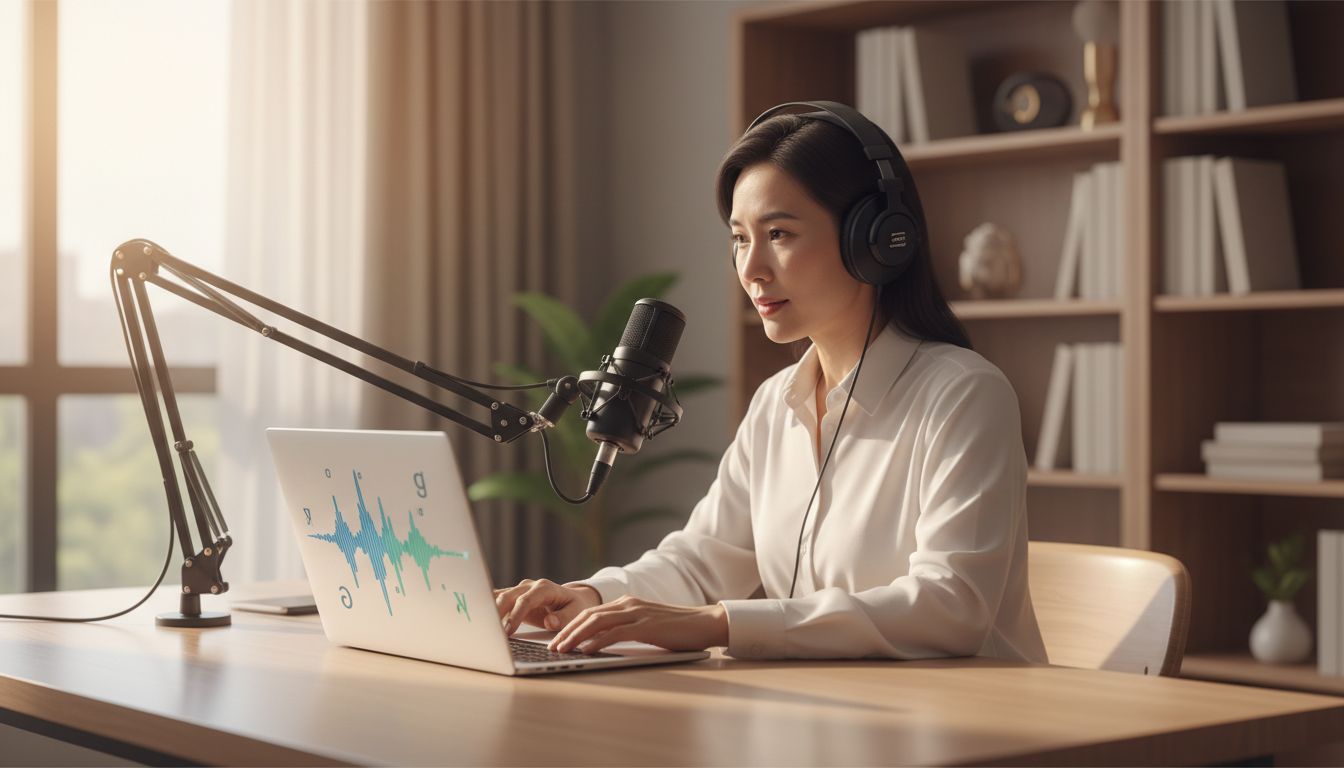
Pronunciation problems can hide in plain sight. You may know the words, yet still sound unclear to listeners. That is where Speechling earns attention in 2026, because it focuses on recorded speech, human feedback, and repeat practice instead of broad app features.
The app matters most if you want disciplined practice, not streak chasing. If you want a clear sense of how it performs for serious study, the details matter more than the pitch.
What Speechling does well for serious learners
Speechling keeps the task narrow. You listen to a model sentence, record your version, and send it for feedback. The company says coaches correct pronunciation, intonation, rhythm, grammar, and word choice on the official site, and that is more useful than the light speech checks many general apps provide.
That narrow focus is the point. Speechling is strongest when you already have another app or class for grammar and vocabulary. Then it can fill the speaking gap without trying to replace everything else.
If you want a broader way to compare speaking tools, the pronunciation app test is a good filter. Speechling scores well when you care about sound accuracy, not when you want a full course.
Another strength is the order of practice. You speak first, then compare your recording against a native model and coach notes. That works better than tapping through answers because it trains output, not recognition.
Speechling works best when you treat it like coaching, not like a quiz app.
How the feedback loop works in practice
The main value comes from the loop, not from any single exercise. You hear a native model, repeat it, and get human feedback later. As of April 2026, that feedback still arrives within 24 hours, which is quick enough for daily use and slow enough to push careful listening.
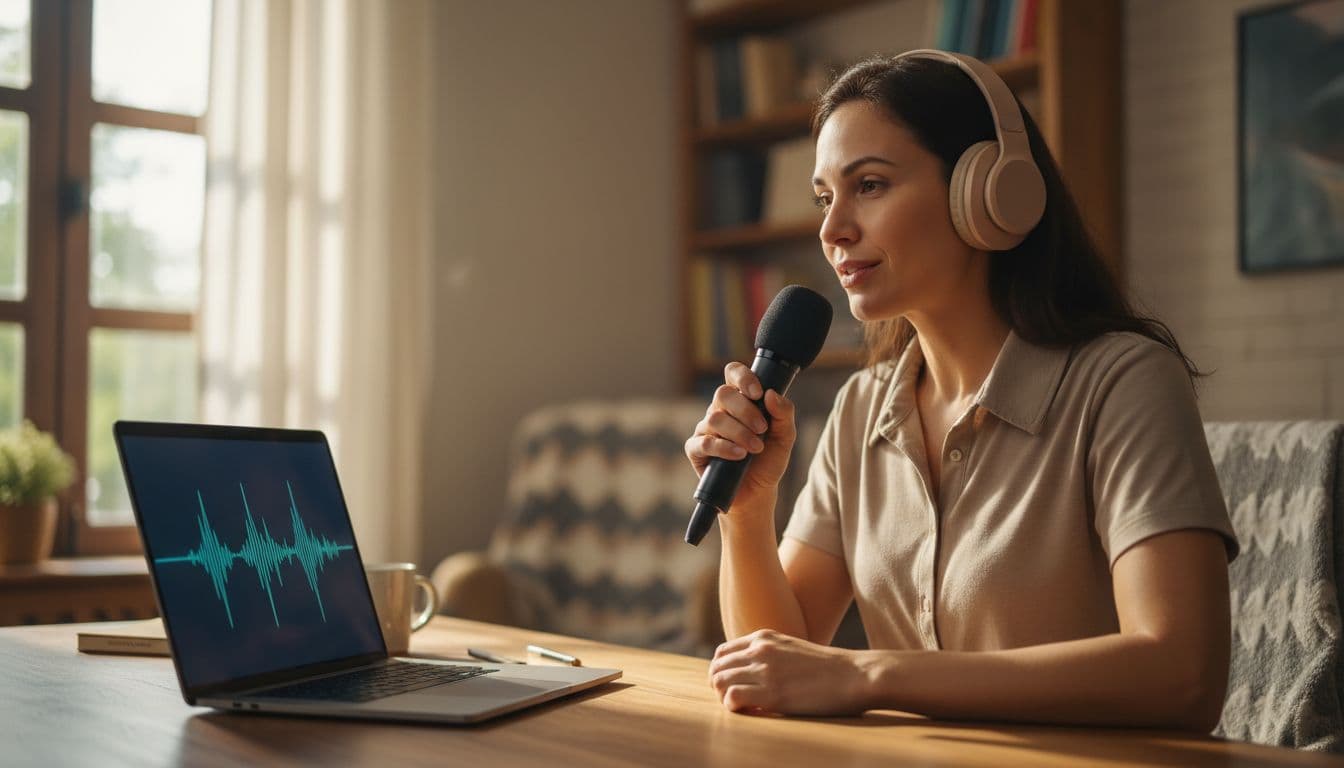
Small sound errors matter here. Vowel quality, stress, and rhythm can all change how natural you sound. The app is useful because it makes you notice those details instead of guessing.
That also means Speechling asks for patience. You do not get the instant score rush that many apps use to keep people tapping. Instead, you get a correction, then another attempt. For serious learners, that can be a good trade.
A pronunciation-focused review is easier when you can see the sound side clearly.
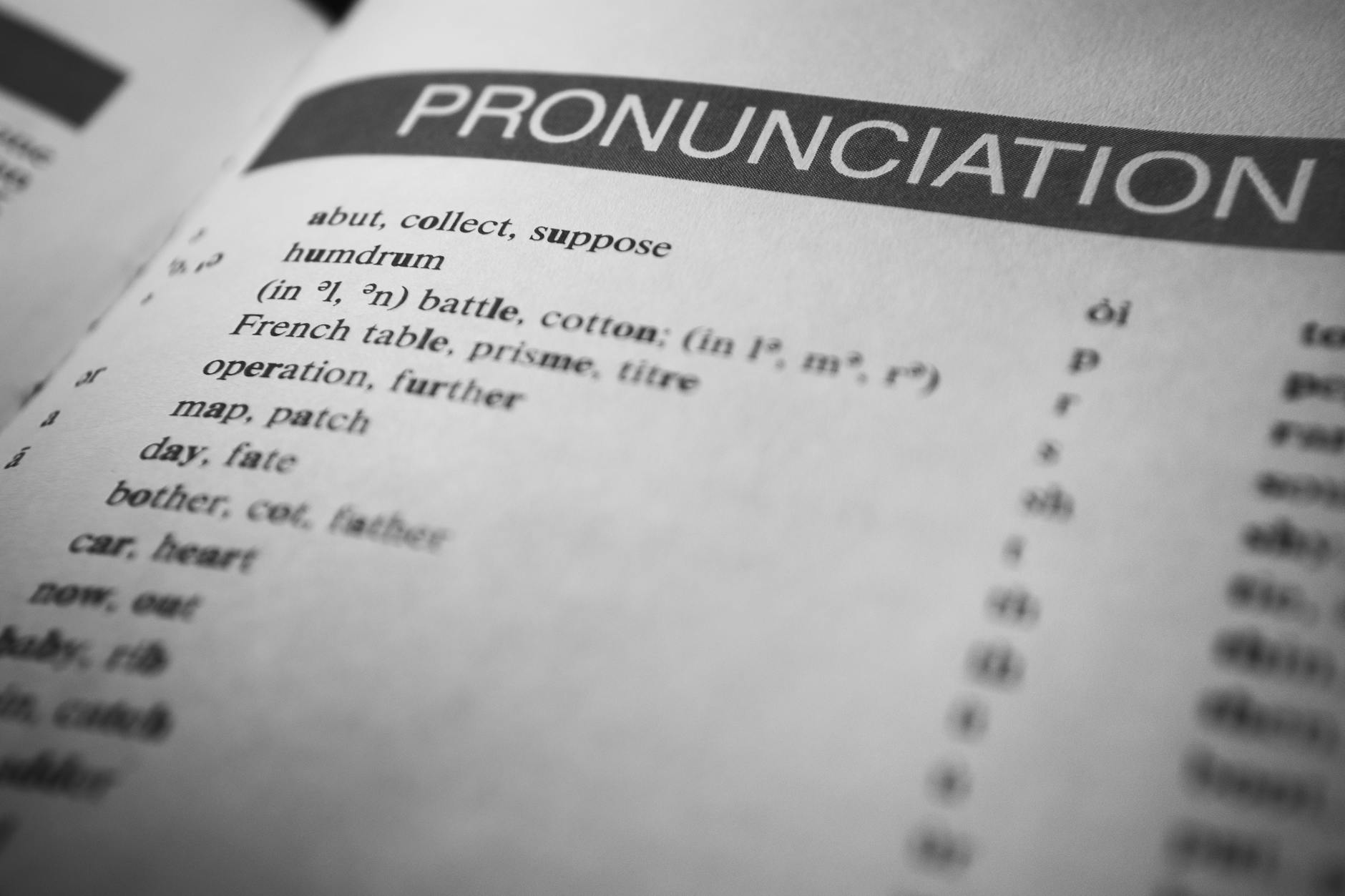
Photo by Nothing Ahead
Pricing in 2026 and what the plans mean
As of April 2026, Speechling still keeps pricing simple. The free tier is usable on its own, and the paid plan is aimed at learners who send recordings often. The nonprofit model matters because the core platform is still presented as free forever. If you want Android details, the current Google Play listing shows active support.
| Plan | What you get | Best fit |
|---|---|---|
| Free | Basic practice, sentence work, listening, and some coaching | Learners testing the method |
| Unlimited | Unlimited tutoring and feedback for $19.99/month | Users who record often |
| Discounts or scholarships | Lower-cost access for some users | Learners with tighter budgets |
The takeaway is simple. The free plan is enough to judge whether the format helps you. The paid plan makes sense when you send enough recordings to use the feedback often. Because the core platform is free forever, the upgrade is about feedback volume, not access to the app itself.
Where Speechling fits in a disciplined routine
Speechling works best as part of a repeatable study loop. Use it after a lesson from your main course, then record five to ten sentences on the same topic. Write down the corrections, repeat the problem sounds, and try again the next day. That pattern builds habits without taking over your whole study session.
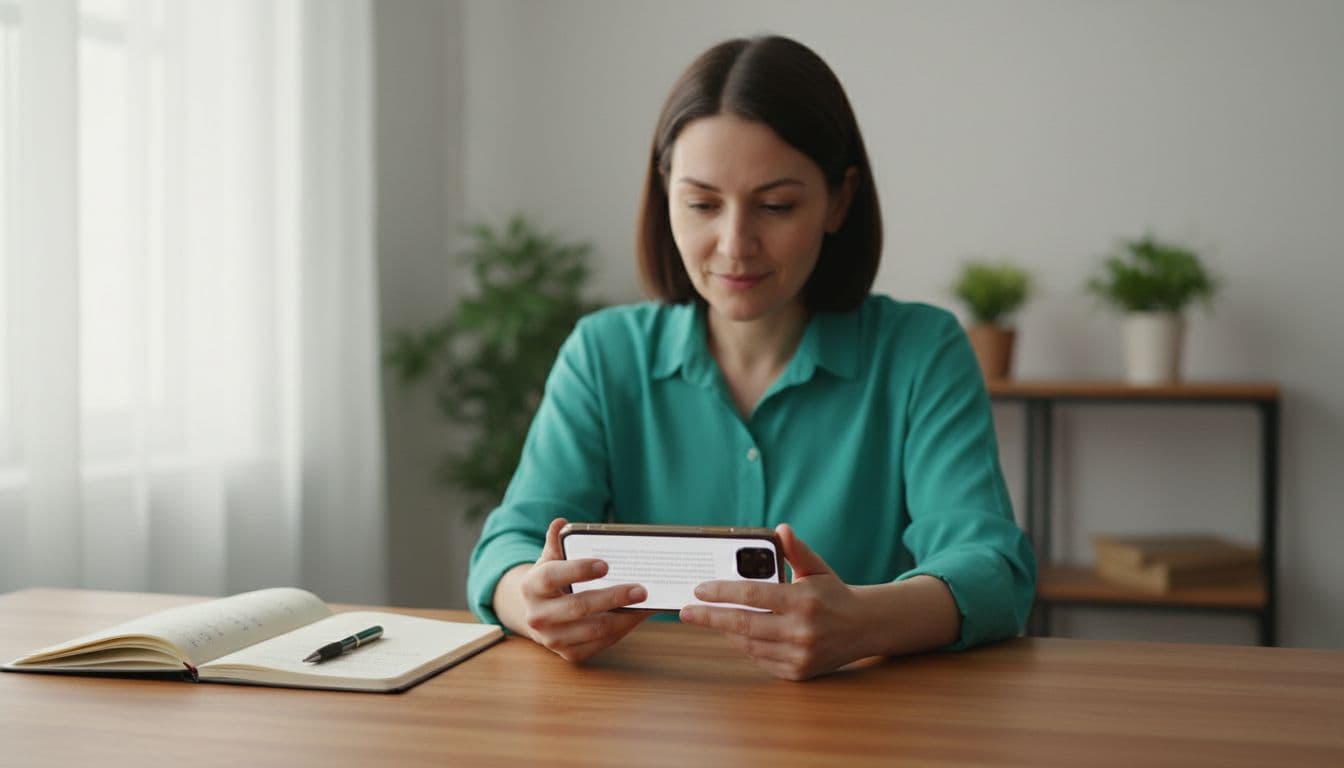
If you want a broader system for daily speaking work, the speaking practice language apps guide is a useful companion. Speechling fits best when you already know what you want to fix, then use it to press on those weak spots.
It also helps if you keep your goals narrow. One week can focus on vowel length. Another can focus on word stress. That kind of structure turns Speechling into a coach you return to, not another app you browse.
Who should choose it, and who should skip it
| Choose Speechling if… | Skip Speechling if… |
|---|---|
| You want human correction on pronunciation and rhythm. | You want a full beginner course with heavy grammar support. |
| You already use another app for vocabulary and structure. | You want one app to cover every part of learning. |
| You can keep a daily recording habit. | You want live conversation in every session. |
| You care about sounding clearer, not just finishing lessons. | You need lots of games, badges, or fast feedback loops. |
That makes Speechling a specialist tool. Specialists can be excellent, but they are only useful when the job is clear. For serious self-studiers, it is a strong add-on. For beginners who want a guided path, it can feel too narrow.
If you need grammar lessons, vocabulary drills, and speaking practice in one place, a broader app like Busuu review 2026 may suit you better.
Conclusion
Speechling is a good fit if pronunciation and speaking accuracy are your main goals. Its strength is the simple loop of listen, record, correct, repeat.
For disciplined learners, that is often more useful than a busy all-in-one app. If you want clearer speech and a routine you can keep, Speechling still deserves serious attention in 2026.
Ready to Take Your Language Learning Further?
Your favorite language-learning app is a great place to start. Rocket Languages can help you go further with interactive audio lessons, pronunciation practice, real-world conversations, and structured learning.
Explore Rocket Languages →Affiliate disclosure: We may earn a commission if you purchase through this link, at no additional cost to you.