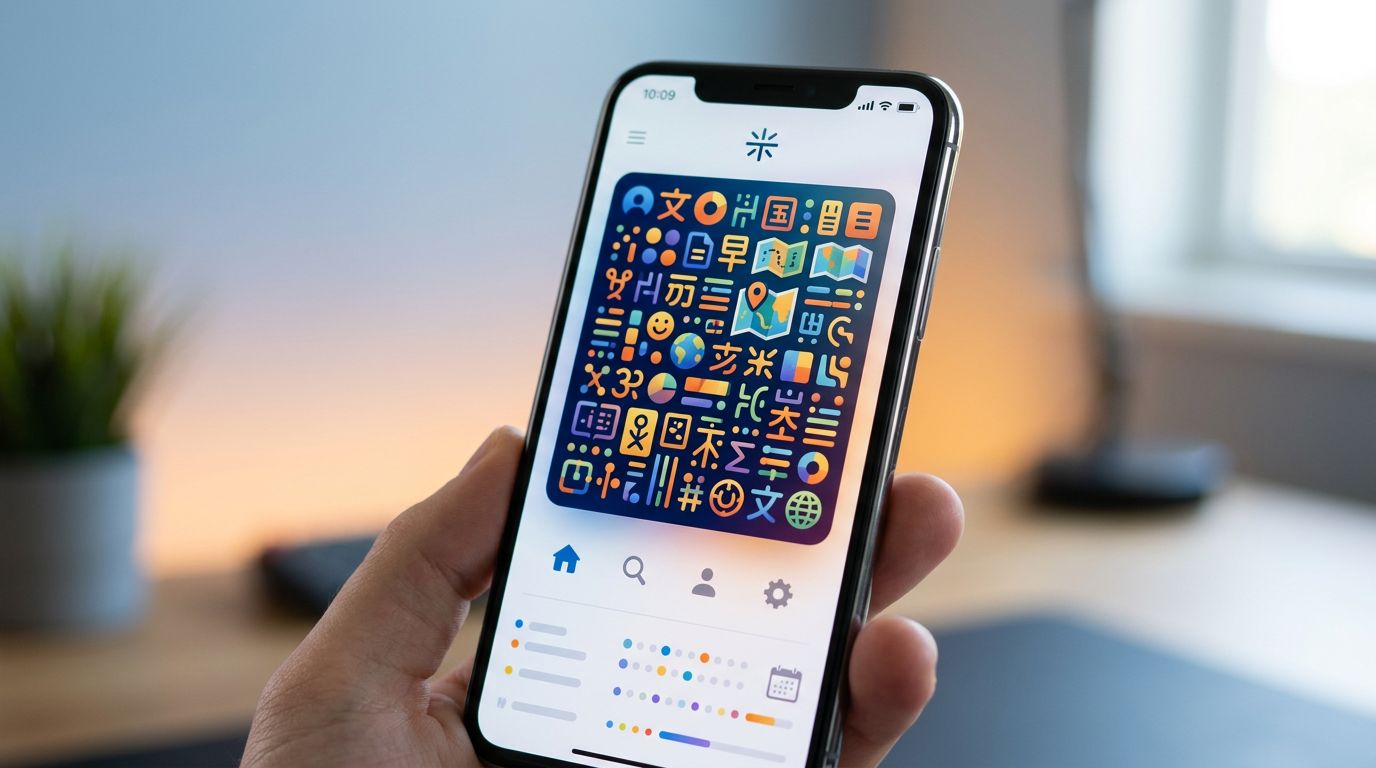
A slick app can make you feel productive while teaching mostly recognition. That is the central issue in any honest Drops app review.
If you want a full language course, Drops still is not it in 2026. If you want a polished, low-friction way to build vocabulary and keep a daily habit alive, it is still one of the better side tools. That difference matters, because serious learners need usable recall, not only fast taps.
The short verdict, plus the 2026 snapshot
Drops is best used as a vocabulary trainer, not a main course. Serious learners will get value from it, but only when it sits beside grammar study, real listening, and some kind of output practice.
Drops helps you notice and revisit words. It does not teach you to run a language.
Current 2026 details
As of April 2026, Drops still centers on 5-minute visual sessions across 50+ languages. The free plan keeps the daily time cap, while paid plans are about $11 per month, $69.99 per year, or $150 for lifetime access. Premium adds unlimited time, offline study, broader review tools, and full topic access. The current Google Play listing for Drops lines up with that picture.
Those are the current facts. The evergreen part has barely changed: Drops is strong at themed vocabulary exposure, but thin on grammar, speaking, and natural listening. That makes the app useful, yet narrow.
Where Drops still works well, lesson design and retention
The best thing about Drops is its lesson design. It is clean, fast, and easy to return to after a bad day. For busy adults, that matters more than marketing copy.
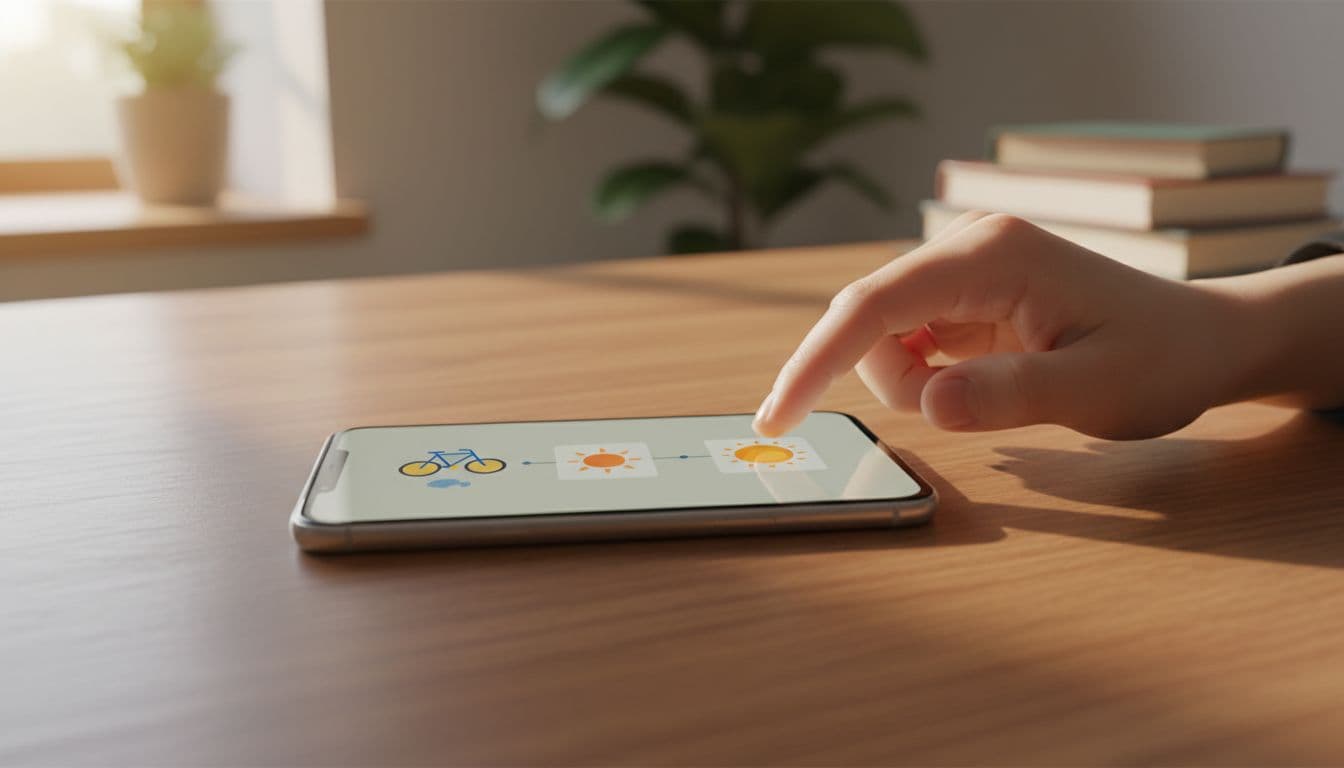
Drops also handles first contact with new words well. The app pairs audio, images, and quick interactions in a way that lowers friction. Because sessions are short, it is easier to keep the streak going than with heavier apps. That is not trivial. Habit is often the first thing to break.
Retention, though, needs a more careful read. Drops is good at making words feel familiar. It is less reliable at making them easy to produce from memory later. In other words, it trains recognition better than free recall.
That gap shows up after the lesson ends. You may breeze through a food unit, then struggle to say those same words without a visual prompt. Serious learners should notice that early. If a word never leaves the app screen, it has not fully stuck.
Still, Drops has two real advantages. First, it is enjoyable enough to keep weak days alive. Second, it covers a wide set of languages, including some that get lighter support elsewhere. For niche language learners, that alone can make it worth keeping.
Where serious learners hit the ceiling
Speaking is the clearest limit. Drops does not build turn-taking, repair strategies, or the habit of forming your own sentences under pressure. You may learn “ticket,” “platform,” and “delayed,” yet still freeze at the station desk.
Listening is only a partial win. Audio is present, but the app mostly teaches word-level sound or tightly controlled phrases. You do not get much messy, normal-speed speech. That makes Drops safer than real conversation, but also less useful once you move beyond beginner exposure.
Grammar depth is thinner still. The app can hint at patterns through chunks, but it rarely explains why forms change. For beginners, that may feel fine at first. For intermediate learners, it becomes a wall. Without outside grammar, progress gets shallow fast.
Long-term effectiveness depends on how you use it. As a standalone app, Drops will not take most serious learners far. As a supplement, it can work well. Pair it with a course, tutor, podcast, or a recall-heavy tool. If you want a quick way to judge whether any app trains real situations, this 15-minute language app evaluation test is a useful filter.
That view is not unusual. A recent Reddit discussion among learners shows the same split: people like Drops for vocab bursts, but few treat it as a full learning path.
Pros, cons, and how Drops compares to alternatives
Here is the practical takeaway.
Pros
- It makes daily vocabulary review easy to maintain.
- The visual design lowers friction and keeps sessions short.
- Its language catalog is broader than many structured-course apps.
Cons
- Recall is weaker than it first appears.
- Speaking and listening practice stay limited.
- Grammar explanation is too light for a main-study app.
This quick table shows where Drops fits next to common alternatives.
| App | Best at | Main weakness | Best role |
|---|---|---|---|
| Drops | Visual vocabulary | Weak output and grammar | Supplement |
| Duolingo | Habit and basic sentences | Limited depth for serious speaking | Starter app |
| Memrise | Useful phrases and native-video exposure | Less structured progression | Listening and phrase supplement |
| Anki | Long-term recall | No built-in teaching path | Review engine |
Compared with Anki, Drops is easier and prettier, but less powerful for memory. Compared with Memrise, it is cleaner for themed vocab, but weaker for real-world phrase exposure. Compared with Duolingo, it is narrower, though often less cluttered.
For beginners, Drops works best beside a structured course. For intermediate learners, it is more useful as a topical vocab refresher. For learners who already use SRS heavily, the choice is simple: keep Drops only if its design helps you stay consistent. If you are weighing broader options, LanguaVibe’s guide to best Duolingo alternatives for serious learners is a smart next comparison. A separate BullishLang Drops review also reaches a similar conclusion on strengths and tradeoffs.
A five-minute app can help. It just cannot carry the whole job.
Drops remains a good side tool in 2026. Keep it for vocabulary exposure, fast review, and lighter days. Drop the idea that it will teach you to speak, understand fast audio, or control grammar on its own.