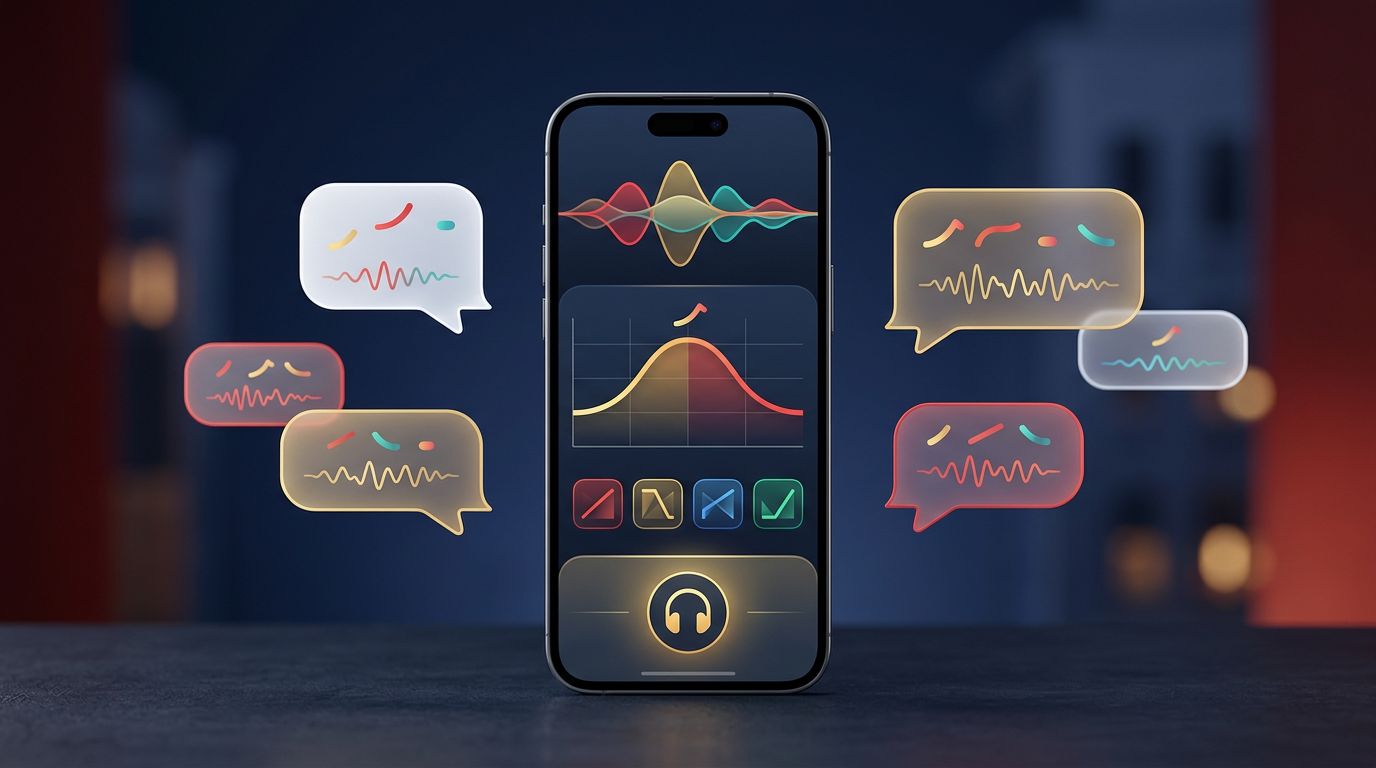
Mandarin pronunciation can look simple on paper, yet a small tone mistake can change the meaning of a word. This Pinyin Trainer review examines whether the app gives learners enough focused practice to improve tone recognition, sound discrimination, and early listening skills in 2026.
Pinyin Trainer takes a narrower approach than a full Mandarin course. It focuses on the sound system, tone marks, listening challenges, and pronunciation drills instead of grammar or extended conversations. That focus is useful, but it also defines the app’s limits.
Key Takeaways
- Pinyin Trainer is best for beginners who need focused practice with Mandarin initials, syllables, and tones.
- Listening quizzes, tone sketching, native audio, and review tools make short daily sessions practical.
- The app offers more pronunciation focus than a general Mandarin course, but less structured progression.
- It doesn’t provide enough open-ended speaking feedback to replace a tutor, language partner, or native speaker.
- Verdict: Pinyin Trainer is worth using in 2026 as a pronunciation supplement, especially during the first stage of Mandarin study.
Pinyin Trainer review: what the app actually teaches
Pinyin Trainer is a pronunciation and listening practice app for Mandarin Chinese. Its central goal is to help learners hear and produce the four tones more accurately while becoming familiar with Pinyin sounds.
That makes it different from apps that introduce pronunciation for only a few lessons before moving quickly into vocabulary and grammar. Pinyin Trainer keeps returning to the sound system, which can help learners who know basic words but still confuse tones or similar syllables.
The app includes listening challenges with recorded Mandarin pronunciation. You listen to a sound, identify the tone or syllable, and choose the answer. It also includes tone drawing exercises, where you trace the shape of a tone mark with your finger. These activities are simple, but they make learners pay attention to the difference between the tone number, the written mark, and the sound.
The available descriptions also mention training for Pinyin initials, tone recognition, and sound discrimination. In Mandarin, this distinction matters. A learner may recognize the fourth tone but still confuse sounds such as j, q, and x, or struggle to hear the difference between zh, ch, and sh.
The app supports both Simplified and Traditional Chinese characters. It also includes Pinyin and Zhuyin, also called Bopomofo, which makes it more useful for learners who study through Taiwan-oriented materials.
A Mandarin pronunciation app roundup describes Pinyin Trainer as a focused tool created by the team behind TrainChinese. That description matches the app’s main strength: it is designed for pronunciation practice rather than broad language instruction.

How the Pinyin Trainer exercises work
Pinyin Trainer’s exercise design is easy to understand. You choose a practice area, listen to audio, answer a question, and continue through a short set of items. That structure suits learners who want a clear task instead of an open study session.
The main activities include:
- Listening challenges that test whether you can identify sounds or tones.
- Multiple-choice quizzes for tone recognition.
- Tone drawing tests that ask you to reproduce tone marks.
- A built-in Pinyin tone guide for reference.
- Progress review for words and sounds that cause problems.
- Streak tracking to support regular practice.
The tone drawing mode is a useful feature for beginners because it connects visual information with listening. A learner who sees the mark for the third tone may remember its written shape, but that doesn’t guarantee accurate listening. Switching between hearing a tone and identifying its mark builds a more complete association.
Native audio is also important. The App Store listing for Pinyin Trainer for Educators describes almost 2,000 original audio recordings and a Pinyin reading guide. Because store listings can refer to different versions or platforms, learners should check the current listing before assuming every feature appears in the same release.
The app’s progression from beginner to more advanced vocabulary gives practice some range. However, vocabulary depth isn’t the same as a full course sequence. Pinyin Trainer can expose you to more words, but it won’t teach the grammar, sentence patterns, or cultural context needed to use those words in conversation.
Pinyin Trainer helps you notice pronunciation errors. It doesn’t automatically show whether you can use the same sounds in a natural sentence.
Is Pinyin Trainer good for beginners?
For complete beginners, Pinyin Trainer works best after learning the basic Pinyin chart and the four-tone system. The app can reinforce that foundation, but learners may feel lost if they open it without knowing what an initial, final, or tone means.
Beginners who like short, repeatable exercises will probably find the format comfortable. A five-minute session can focus on one tone or a small group of sounds. That makes the app easy to fit around a larger course, textbook, or flashcard routine.
The tone guide also gives new learners a reference when they forget how a mark should sound. Still, a guide cannot correct every common pronunciation problem. For example, many English speakers need physical guidance for sounds that don’t exist in English. Listening repeatedly helps, but it doesn’t always explain tongue position or airflow.
Self-directed learners may get the most value by using Pinyin Trainer alongside a structured Mandarin course. Our HelloChinese review covers a broader learning path with Pinyin, tones, characters, listening, and early speaking practice. A general course can provide the lesson sequence, while Pinyin Trainer supplies extra repetition for sounds that remain difficult.
The app also suits learners who have already moved past the absolute beginner stage. Someone who knows basic vocabulary but still guesses tones while reading Pinyin may benefit from returning to focused listening practice.
Where the app falls short for speaking feedback
Pinyin Trainer’s biggest limitation is the difference between recognizing pronunciation and producing it naturally.
The app’s core activities emphasize listening, tone selection, tone drawing, and recorded examples. Those exercises can improve awareness, but they don’t appear to offer the kind of detailed speech analysis that tells you exactly how your voice differs from a native speaker’s.
That matters because learners often make errors they cannot hear themselves. You may believe you produced a second tone, while your voice actually rises too late. You may also pronounce shi using an English-style vowel without noticing the difference.
For this reason, I wouldn’t use Pinyin Trainer as the only speaking tool in a serious study plan. Learners who need structured feedback should add at least one of these:
- A Mandarin tutor who can correct mouth position, tone contour, and rhythm.
- A language exchange partner who can respond to spontaneous speech.
- A pronunciation tool that records speech and compares it with a reference.
- Regular shadowing practice with short native recordings.
A community discussion about a free Mandarin pronunciation checker offers another example of the type of speech-checking resource learners can add to their routine. Such tools can help, but automated scores still need careful interpretation.
Pinyin Trainer remains useful here because better listening makes feedback easier to apply. If you can’t hear the difference between your pronunciation and the model, correction feels random. The app can sharpen your ear before or between conversations, even though it doesn’t replace those conversations.
Pinyin Trainer compared with broader Mandarin apps
Pinyin Trainer has a narrower purpose than apps such as SuperChinese, ChineseSkill, and HelloChinese. That isn’t automatically a weakness. A focused tool can be more useful when you already know what needs work.
| Tool | Main strength | Best fit | Main limitation |
|---|---|---|---|
| Pinyin Trainer | Tones, Pinyin sounds, listening discrimination | Pronunciation-focused practice | Limited conversation and grammar |
| HelloChinese | Guided beginner Mandarin lessons | Learners who want a course path | Less specialized pronunciation repetition |
| ChineseSkill | Short lessons, review, and beginner practice | Learners who prefer game-like study | Pronunciation isn’t its only focus |
| SuperChinese | Structured lessons and speaking practice | Learners wanting broader progression | More content to manage than a focused drill app |
Our ChineseSkill review looks at a broader app with tone training, review tools, handwriting practice, and other beginner features. Meanwhile, a SuperChinese review examines a course-style option with guided lessons and speech practice.
Pinyin Trainer makes more sense when you don’t need another complete course. For example, you might already study characters and grammar in a textbook but want ten minutes of daily tone practice. In that situation, the app’s narrow scope keeps the routine clear.
If you want one app to organize your entire Mandarin study plan, Pinyin Trainer probably won’t be enough. It lacks the wider lesson structure that takes you through sentence building, reading, grammar, and extended listening.
Is Pinyin Trainer worth using in 2026?
Pinyin Trainer is worth using in 2026 if your main problem is Mandarin pronunciation and you can pair it with broader study. The app offers a practical set of exercises, including tone quizzes, native audio, tone sketching, sound discrimination, and progress review.
It is especially suitable for:
- Beginners who need repeated exposure to the four tones.
- Self-directed learners who want short, focused practice.
- Students reviewing Pinyin before a trip, class, or tutoring session.
- Intermediate learners who still confuse initials, finals, or similar tones.
- Learners studying Simplified, Traditional, or Zhuyin materials.
It is less suitable for learners who expect automatic speech correction, detailed tutor-style explanations, or a complete Mandarin curriculum. The app’s value depends on how you use it. Ten minutes of focused listening followed by real speaking practice will produce more benefit than long sessions of guessing through quizzes.
A sensible routine is to use Pinyin Trainer several times per week, record yourself saying the same words, and then test those words in live conversation. Keep a short list of sounds that cause trouble. Review them in the app, then ask a teacher or language partner whether your production has improved.
The lack of a stated price in the available listings also means you should check the current App Store or Google Play page before deciding. Availability, advertising, and features may differ by platform and region.
Final verdict
Pinyin Trainer is a useful specialist app, not a complete Mandarin course. Its exercises give beginners a clear way to practice tones and sound recognition, while its review features can help self-directed learners maintain a pronunciation routine.
The Pinyin Trainer review verdict is positive with an important condition: use it as a supplement. It should support real conversations, tutor corrections, and exposure to natural Mandarin rather than replace them. If you need focused work on Pinyin and tones, it is worth adding in 2026.
Ready to Take Your Language Learning Further?
Your favorite language-learning app is a great place to start. Rocket Languages can help you go further with interactive audio lessons, pronunciation practice, real-world conversations, and structured learning.
Explore Rocket Languages →Affiliate disclosure: We may earn a commission if you purchase through this link, at no additional cost to you.