Most language platforms sell lessons. Preply sells access to people, and that changes the whole decision. If you want real speaking time in 2026, it can be a strong buy. If you need a built-in course with tight quality control, it can feel loose.
This Preply review is for learners who care about progress after month three, not first-week excitement. The short version is simple. Preply is worth it only when the tutor is right, the schedule is stable, and you bring some structure of your own.
Where Preply fits in 2026
This quick snapshot shows where Preply is strongest and where it asks more from the learner.
| Area | Verdict |
|---|---|
| Tutor vetting | Adequate, but you still need to screen hard |
| Consistency | Strong if you book recurring slots |
| Curriculum depth | Tutor-dependent, platform-level structure is limited |
| Scheduling | Excellent |
| Price transparency | Mixed |
| Long-term progress | High upside, uneven execution |
That pattern explains most of this Preply review. Preply now covers more than 90 languages and works best when live speaking is the main goal. That alone makes it more useful than many app-first tools once you move past beginner tapping.
Still, Preply is a marketplace with lesson tools, not a tightly controlled school. PCMag’s review of Preply reaches a similar conclusion and sees the platform as affordable one-to-one tutoring, not a full curriculum.
For serious learners, that can be a plus. You can find business English coaches, exam tutors, accent specialists, and teachers for less common languages. Yet the same openness creates uneven quality. If you’re deciding between live tutoring and course-based apps, this quick value check for language platforms helps frame the tradeoff.
Tutor quality, vetting, and what the trial lesson reveals
Tutor search is where Preply wins and frustrates at the same time. Profiles show rates, reviews, specialties, intro videos, and availability. That makes shortlisting easy. Still, public April 2026 updates did not show a tougher vetting overhaul, so the burden stays on you.
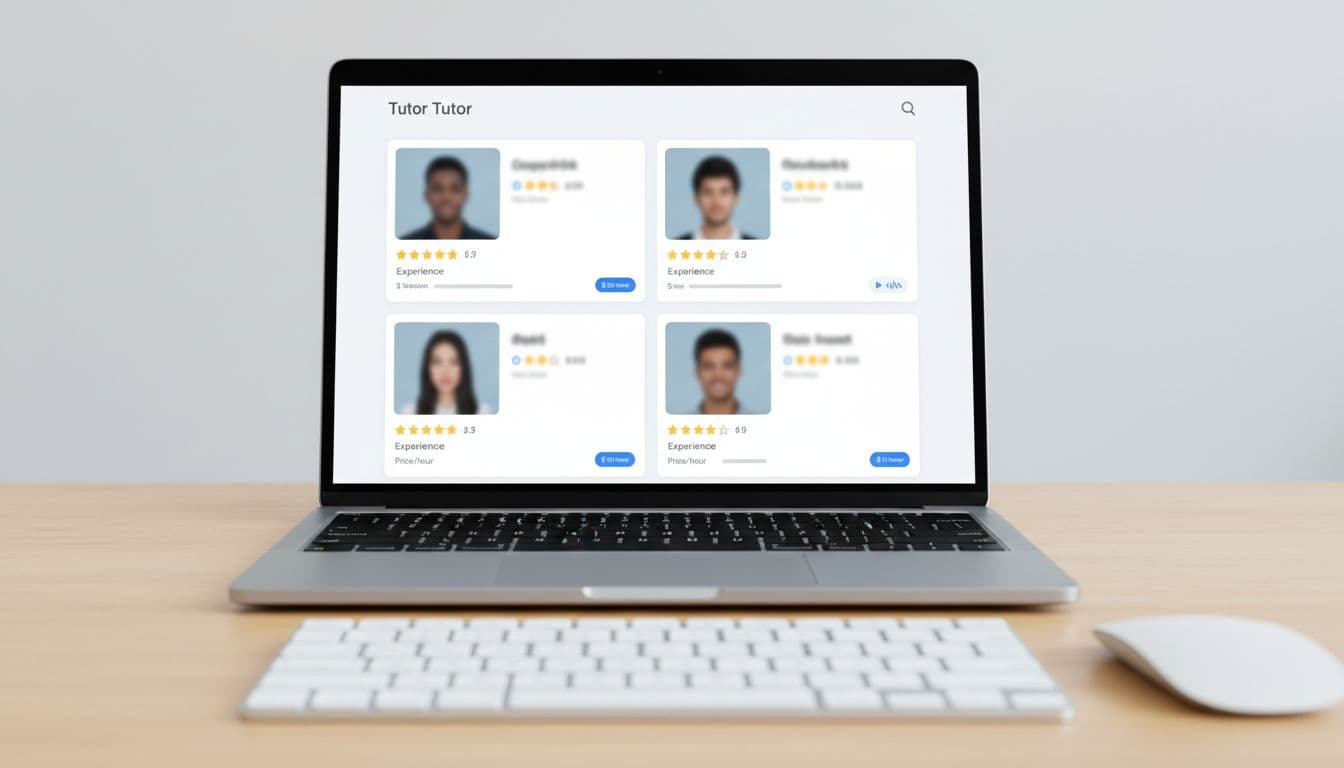
A strong profile is not enough. Serious learners should look for signs of a teaching system, not only charm. Check whether the tutor mentions CEFR levels, lesson goals, homework, and correction style. Then look for experience with your exact target, such as interview prep or B2 speaking.
That matches a point in Language Learners Hub’s in-depth look at tutors, prices, and results. Your outcome depends heavily on tutor fit.
The trial lesson is paid, which turns some learners off. In practice, that price filter can save time because both sides show up with more intent. Preply also offers a satisfaction guarantee on the first lesson. If the fit is poor, it can help you find another tutor or issue a refund.
Use the trial lesson to test method, not chemistry alone.
Ask for a study plan. Watch how the tutor corrects you. Notice whether they type feedback, assign review, and keep the conversation at the right level. If you want a built-in course with less guesswork, a structured app may suit you better. This Babbel review for serious learners shows what that more guided path looks like.
Pricing, scheduling, and the fine print that matters
Preply’s pricing looks clear at first. Tutor rates are visible upfront, and lessons can start around $4 per hour, though many good teachers charge far more. The real cost gets fuzzy when you move from one lesson to a plan.
Two weekly sessions with a $20 tutor become a serious monthly expense. That’s even more true if you also want homework review or exam prep.
Scheduling is one of Preply’s best features. You can usually find early morning, late evening, or weekend slots, and recurring lessons reduce friction. That matters for professionals, students, and parents who can’t join a fixed class every Tuesday at 7 p.m.
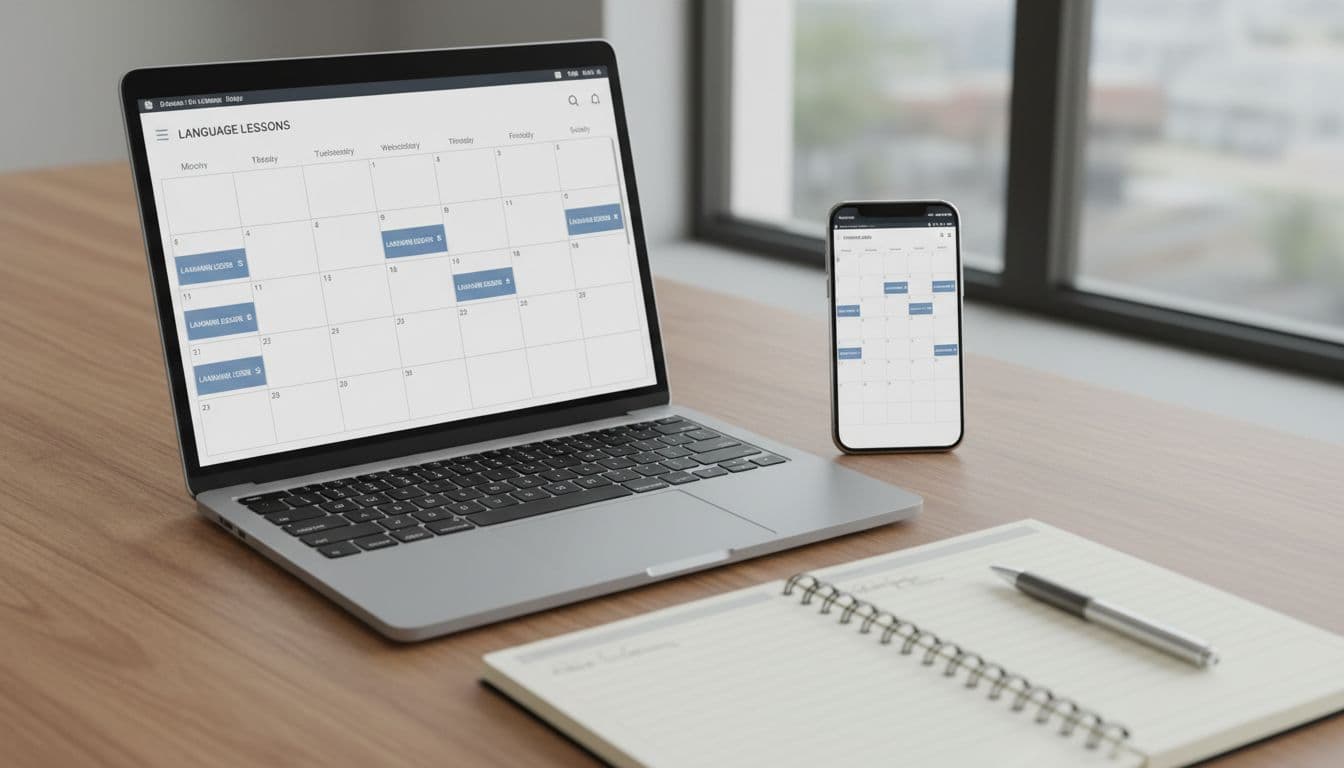
However, flexibility is not the same as risk-free rescheduling. Public April 2026 updates did not show major policy changes on cancellations. So you should read the exact cutoff and package terms before committing. That step matters more than most reviews admit. If your work calendar shifts often, a low tutor rate can be wiped out by missed lessons.
Price transparency is therefore mixed. You can see the hourly rate easily. Yet long-term spend, refund expectations, and reschedule consequences need a closer read.
Can Preply support long-term progress?
Yes, but only if the tutor builds the engine. Preply now adds helpful follow-up tools, including Lesson Insights, Daily Exercises, and Scenario Practice in beta. Those features support review between sessions, and they give the platform more accountability than a bare video marketplace.
Consistency is easy to build with recurring slots. Accountability stays tutor-led, though, because not every teacher assigns or checks work between lessons.
The ceiling is still tutor-led. A great teacher can map grammar, track errors, recycle old material, and push you from safe chat into real output. A weak one can leave you paying for pleasant conversation that feels productive but stalls after a few months. Preply also cites in-house data saying 94% of learners improve speaking after 24 or more lessons. It also says progress can be much faster than expected. Treat that as directional, not neutral proof.
Preply is a strong fit for intermediate learners who need speaking pressure and correction, professionals preparing for meetings or relocation, and parents who want one-to-one support with a specific tutor. It is less convincing for complete beginners who need a full syllabus, bargain hunters who want predictable flat pricing, and learners who cancel often. If you need a structured base between tutoring sessions, this Busuu review for serious language learners is a useful comparison.
Preply is worth paying for when you treat it like private coaching, not a plug-and-play course. The platform gives access, scheduling, and a few review tools. The tutor creates most of the value.
For serious learners in 2026, the smart test is simple. Book one paid trial, ask for a plan, and commit only if the lessons produce clear corrections, homework, and a routine you can keep. Friendly chat alone isn’t enough.
Ready to Take Your Language Learning Further?
Your favorite language-learning app is a great place to start. Rocket Languages can help you go further with interactive audio lessons, pronunciation practice, real-world conversations, and structured learning.
Explore Rocket Languages →Affiliate disclosure: We may earn a commission if you purchase through this link, at no additional cost to you.