
Kanji study becomes harder when an app gives you either too little structure or too much control. Renshuu vs WaniKani is a useful comparison because both use spaced repetition, but they suit different kinds of learners.
WaniKani focuses on a fixed kanji and vocabulary path. Renshuu offers a broader Japanese course with more customization and a generous free tier. Your better choice depends on whether you want a dedicated kanji system, a wider study platform, or a mix of both.
Key Takeaways
- WaniKani is stronger for learners who want a guided, kanji-first curriculum.
- Renshuu is better for flexible study across kanji, vocabulary, grammar, listening, and writing.
- Renshuu offers more free content, while WaniKani has a clearer paid structure.
- WaniKani runs through the web, while Renshuu supports web, Android, and iPhone.
- JLPT learners may prefer WaniKani’s sequence or Renshuu’s targeted level selection, depending on their study habits.
Renshuu vs WaniKani: Two Different Learning Systems
WaniKani, made by Tofugu, is a specialized kanji and vocabulary program. Its fixed progression moves through radicals, kanji, and vocabulary. You learn the building blocks first, then use them in increasingly useful words.
The system also uses mnemonics to connect a character’s appearance with its meaning or reading. After lessons, spaced-repetition reviews bring items back at timed intervals. This design removes much of the planning that can slow down independent learners.
WaniKani contains 60 levels and is commonly described as covering more than 2,000 kanji and about 6,000 vocabulary items. It is not a complete Japanese course, however. Grammar, conversation, writing practice, and listening need separate resources.
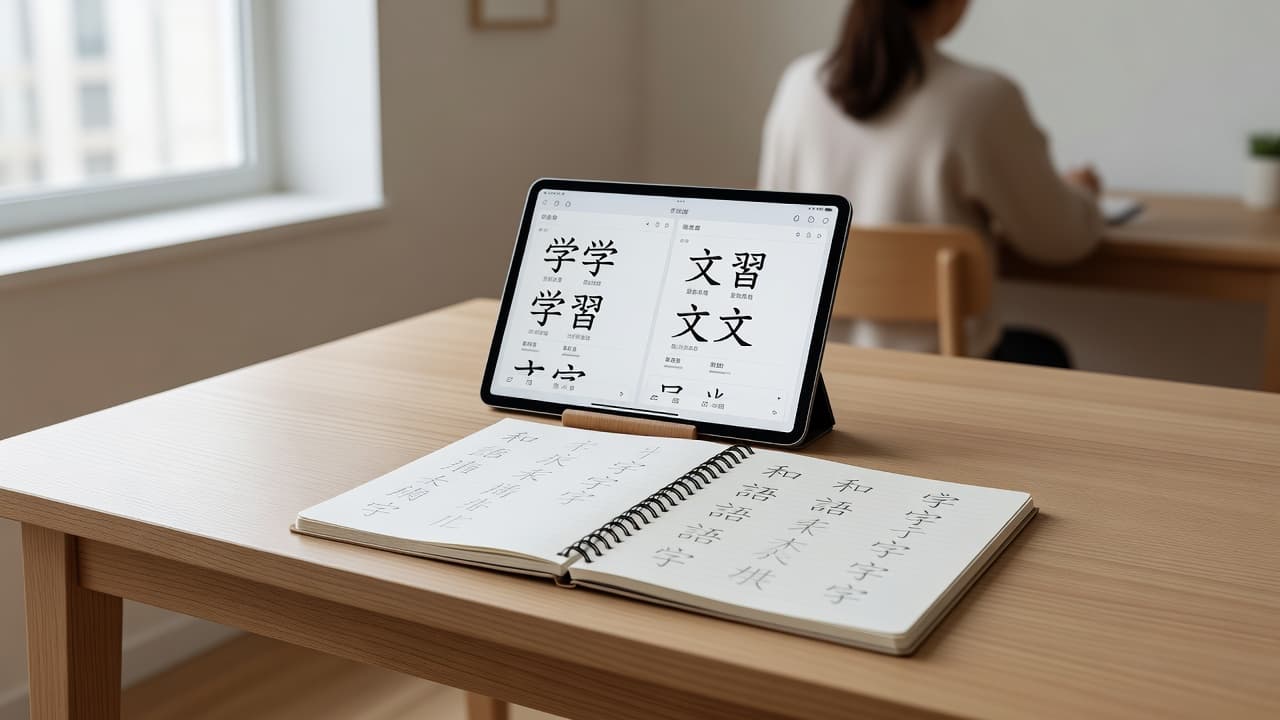
Renshuu takes a wider approach. It includes kanji, vocabulary, grammar, lessons, dictionary functions, and different practice activities. You can follow existing courses, create custom study plans, or select material based on JLPT levels and other categories.
Its SRS system is more adjustable than WaniKani’s. Depending on your settings and subscription, practice can include recognition, listening, writing, pitch accent, and sentence-based questions. Renshuu also adds activities such as crossword-style exercises and other games, which can make repetitive review less tiring.
The difference is easy to state: WaniKani gives you a path, while Renshuu gives you a study environment.
How the Kanji Features Compare
WaniKani builds a controlled kanji ladder
WaniKani’s main advantage is its sequence. New kanji usually depend on radicals or characters you have already studied. That ordering helps prevent random memorization and gives each new item a place in the curriculum.
For example, a learner may study a radical, use it to recognize a more complex kanji, and then meet that kanji inside vocabulary. The connections don’t eliminate the need for review, but they can make unfamiliar shapes easier to recall.
WaniKani also separates lessons from reviews. You won’t normally face a large set of new material unless you choose to continue adding lessons. That structure suits people who want a clear daily routine and don’t want to design their own deck.
The trade-off is limited flexibility. You can’t freely reorder the main curriculum around a textbook, class, or upcoming trip. If your course introduces a particular set of N4 kanji, WaniKani may teach some of them earlier or later.
The WaniKani review on LanguaVibe covers its retention system and limitations in more detail. It is a useful companion if your main concern is building a consistent review habit.
Renshuu gives you more control
Renshuu lets you choose what to study and how to practice it. You can work through lessons in order, target JLPT lists, review a textbook-aligned course, or build a custom collection around words you encounter.
That flexibility helps intermediate learners. Someone who already knows basic N5 kanji can move toward N4 or N3 material instead of starting at the beginning. You can also pause a category, adjust review settings, and combine kanji with vocabulary and grammar in the same account.
Renshuu is particularly useful when recognition isn’t your only goal. A kanji may look familiar during a multiple-choice review but disappear when you must produce its reading or write it from memory. Additional question types can expose that gap.
Still, customization creates responsibility. Beginners can spend more time adjusting settings than studying. Renshuu works best when you choose a modest plan and leave it unchanged for several weeks.
For a wider look at writing tools and targeted kanji practice, LanguaVibe’s guide to Japanese kanji apps compares Renshuu with other options such as Kanji Study and Ringotan.
Pricing, Platforms, and Daily Convenience in 2026
WaniKani’s pricing is straightforward in 2026:
| App | Free access | Paid pricing | Platforms |
|---|---|---|---|
| WaniKani | First three levels | $9 monthly, $89 yearly, $299 lifetime | Web |
| Renshuu | Broad core access | About $7 monthly, $60 yearly, or around $130 lifetime | Web, Android, iPhone |
WaniKani’s prices are listed in US dollars, and tax or VAT may be added at checkout. The first three levels provide a meaningful trial, but serious learners will need a subscription for the full curriculum. You can confirm current plans through WaniKani’s premium membership information.
Renshuu’s core study features are free, with an optional paid upgrade often called Pro. Current public pricing has appeared around $7 per month, $60 per year, and $130 for lifetime access, although the exact amount can vary by store, region, promotion, or account type. Check the in-app or official checkout price before subscribing. Renshuu’s official pricing information is the safest place to verify the amount.
Platform access may decide the comparison for you. WaniKani is web-based and has no official mobile app, although learners can use a mobile browser or third-party tools. Renshuu has native Android and iPhone apps as well as a website, making short review sessions easier on a phone.
The takeaway is clear: WaniKani asks for payment sooner but offers a tightly defined course. Renshuu gives you more room to study before paying.
Which App Fits Your Learning Style?
Beginners who need direction
Choose WaniKani if you have learned kana and want someone else to organize your kanji progression. Its radical-to-kanji-to-vocabulary sequence reduces setup time, and the review schedule tells you what to do each day.
The main risk is pace. WaniKani can create a growing review queue if you rush through lessons or skip reviews. Start with a manageable number of lessons and keep the queue under control.
Renshuu is also a strong beginner choice, especially if you want grammar and vocabulary alongside kanji. Begin with one guided course rather than browsing every available feature. The app becomes easier to use when you treat its customization as an option, not a requirement.
Self-directed learners
Renshuu is the better fit for learners who already use a textbook, class, tutor, or immersion routine. You can match study lists to your existing material and review words from Japanese content you already read.
WaniKani can still support self-directed study, but it remains the central plan rather than a flexible supplement. Its fixed order works well when you want one dependable kanji track beside separate grammar and speaking resources.
A community comparison of Renshuu and WaniKani shows why learner preferences differ. Some users value WaniKani’s structure, while others prefer Renshuu’s broader controls.
JLPT-focused learners
Both apps can help with JLPT preparation, but they approach the goal differently. WaniKani’s sequence builds a long-term base in kanji and vocabulary. It is useful when you have several months before the test and want steady coverage.
Renshuu works better when you need to target a specific level or combine kanji with grammar and vocabulary review. That makes it practical for learners preparing for N5 through N2 while following a separate test plan.
Neither app should be your entire JLPT strategy. Add grammar, reading passages, listening practice, and timed mock tests. Kanji recognition alone won’t prepare you for the full exam.
Learners who want writing and varied practice
Renshuu has the advantage if you want more than meaning and reading recall. Its optional practice types can ask you to listen, write, identify pitch accent, or answer through sentence context.
WaniKani’s strength is focused recall, not handwriting instruction. You may recognize a character well without knowing the correct stroke order or producing it on paper. Add a writing tool or notebook if that skill matters to you.
Can You Use Renshuu and WaniKani Together?
You can, but running both full curricula often creates duplicated reviews. The combination works best when each app has a distinct job.
Use WaniKani as the main kanji sequence, then use Renshuu for grammar, textbook vocabulary, sentence practice, and targeted review. This setup suits learners who like WaniKani’s order but need a broader Japanese study space.
The reverse arrangement also works. Keep Renshuu as your main app and use WaniKani only if you prefer its mnemonics and fixed kanji ladder. Avoid adding every available item in both systems, since the same kanji can appear twice with different review schedules.
A simple weekly plan is enough: one primary SRS system every day, plus short reading or writing practice several times each week. The best app loses its value when its review queue becomes impossible to maintain.
Conclusion
The Renshuu vs WaniKani choice depends on the kind of structure you can sustain. WaniKani is the cleaner option for a dedicated kanji and vocabulary path, while Renshuu is better for flexible Japanese study across several skills.
Choose WaniKani when you want a fixed curriculum and strong recall support. Choose Renshuu when cost, mobile access, customization, and broader lessons matter more. Either app can help you build lasting kanji knowledge, but your daily study routine will matter more than the brand you select.
Ready to Take Your Language Learning Further?
Your favorite language-learning app is a great place to start. Rocket Languages can help you go further with interactive audio lessons, pronunciation practice, real-world conversations, and structured learning.
Explore Rocket Languages →Affiliate disclosure: We may earn a commission if you purchase through this link, at no additional cost to you.