
Transparent Language still looks serious in 2026. It offers a wide language catalog, guided lessons, and practice across listening, speaking, reading, and writing, which sounds ideal on paper.
The catch is that a polished course and a fun daily app are not the same thing. For one learner, that structure feels reassuring. For another, it can feel plain fast.
The real question is simple: does Transparent Language help you learn better on your own, or does it make more sense when a teacher, school, or library is involved? That split drives the rest of this review.
What Transparent Language does well in 2026
Transparent Language Online is still a web-based platform, and that matters. It works across phones, tablets, and laptops, so learners can switch devices without losing progress. The company also says it offers 110+ languages in some versions or provider setups, which is a major draw for people who need beyond-the-usual options. You can see that breadth on Transparent Language’s own overview.
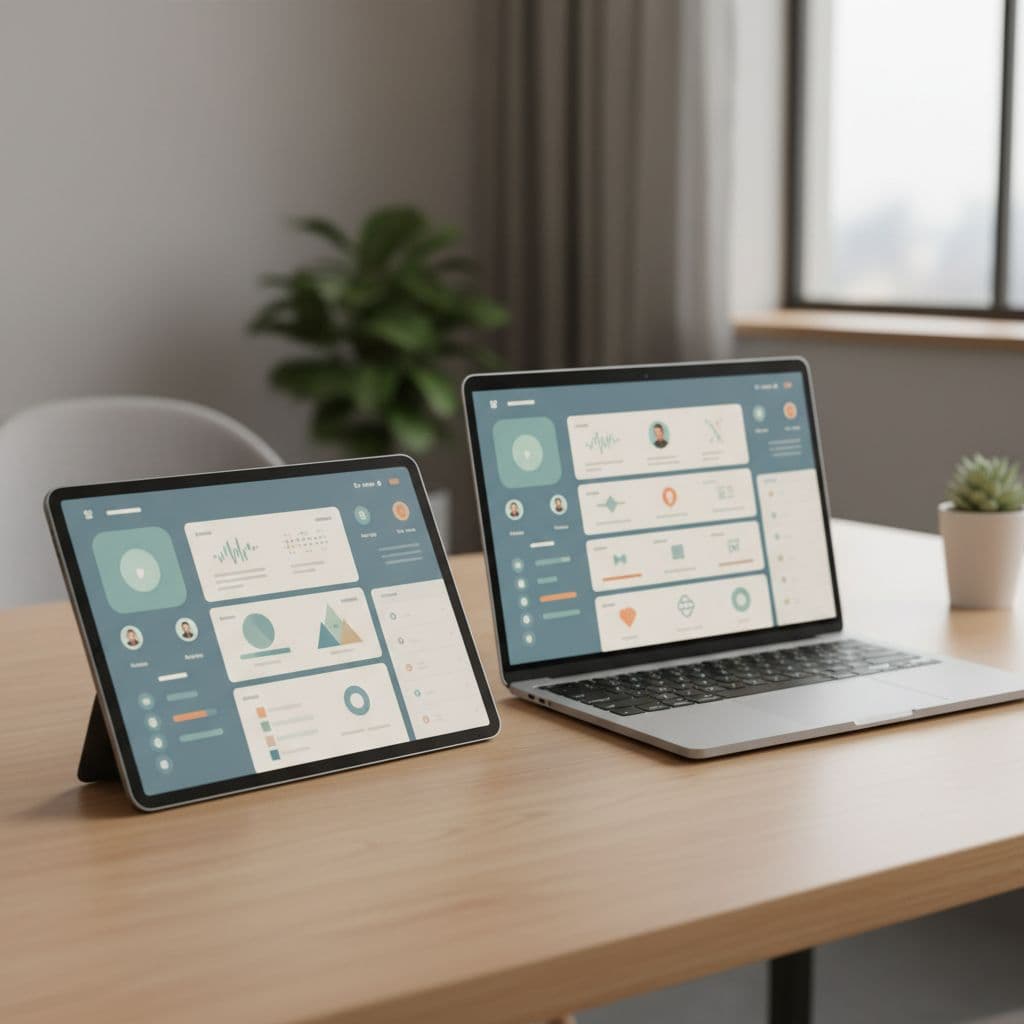
The lesson mix is broad too. There are vocabulary and grammar activities, native-speaker audio, speaking practice with recording, and reading and writing tasks. That gives the platform a more complete feel than apps that only teach recognition or casual review.
It also includes options that matter to different audiences. Some versions include KidSpeak courses, English for non-English speakers, and American Sign Language. That range is part of the appeal. If you need one system for many use cases, Transparent has more to offer than most mainstream apps.
Still, breadth can come with trade-offs. A big catalog helps, but it also makes the interface feel less lively than lighter apps. That becomes important when you compare solo use with classroom use.
Why schools and libraries get more value
Transparent Language makes the strongest case when more than one person needs access. The company highlights tools for teachers, administrators, libraries, corporate buyers, and public institutions. That usually means class management, user oversight, and reporting matter more than streaks or badges.
Transparent’s own comparison with Duolingo also leans hard into this point. It presents the platform as more controlled, more customizable, and better suited to schools and libraries than a casual consumer app.
That framing matches how institutions buy software. A school does not want another attention loop. It wants a program that fits a syllabus, tracks progress, and gives staff enough visibility to manage the group. Libraries have a similar need, especially when the same subscription can support many patrons.
Here is the basic divide:
| Use case | What Transparent does well | What matters less |
|---|---|---|
| Classroom use | Teacher oversight, shared structure, progress tracking | Flashy gamification |
| Library access | Broad patron access, easy self-serve learning | Daily streak design |
| Homeschool use | Guided lessons and clear pacing | Social features |
| Independent study | Structured practice and large language selection | Entertainment value |
The table says a lot. Transparent is built for order. That makes it easier to manage, and sometimes easier to justify.
The self-study experience feels more like a course than an app
For solo learners, the picture is more mixed. Transparent can absolutely work, but it asks for patience. If you like sitting down and following a guided lesson, that is a strength. If you want an app that pulls you back with small rewards, it may feel stiff.
That is close to what outside reviews have said for years. PCMag’s 2025 review described the experience as competent but not especially compelling, while FluentU’s review noted that the huge resource set can feel a little unorganized. Those are fair points. Transparent has depth, but it does not always make that depth feel light or friendly.
The platform seems best for learners who can spend a real block of time on it. Ten minutes or more per session makes sense. Tiny bursts can work less well because the program feels more course-like than snack-like.
Transparent Language rewards steady sessions more than casual tapping.
That difference matters if you are choosing between apps. If your biggest challenge is building a habit, Duolingo review 2026 may suit you better. If you want a more guided paid option with a stronger solo-learning focus, Busuu review for serious learners is the better comparison.
One more point matters for self-learners. Transparent is especially attractive if you need a less common language. When a platform gives you access to something harder to find, the plain interface may stop feeling like a problem.
Pricing and access depend on who is buying
Transparent Language does not fit the usual app-store model very well. Personal users, schools, libraries, and organizations often go through different access paths, so pricing can vary a lot. That means you should not assume one public number tells the whole story.
The official site keeps both personal and organization use in view on Transparent Language’s homepage, and that split is useful. If you are a parent, teacher, or administrator, the real question is not only cost. It is whether the license covers the number of users you need, and whether the reporting tools are included.
Libraries deserve a special mention here. In some setups, patrons get broad or even unlimited access through their library account. That can make the value proposition much better than a standalone personal plan, especially for families or casual learners who already use library resources.
For individual buyers, the lesson is simpler. Check the exact package, language availability, and device access before paying. A platform like this can feel expensive if you only use it lightly. It can feel fair if you use it often and need the structure.
Who should choose it in 2026?
My verdict is clear. Transparent Language is better for classrooms, libraries, and organized programs than for casual self-study. Independent learners can still benefit, but they need to want structure more than excitement.
| Reader type | Recommendation | Why |
|---|---|---|
| Self-learners | Good fit if you want a structured course or a rare language | The content is broad, but the experience is not especially playful |
| Teachers | Strong fit | Class tools and progress oversight make the platform useful in real instruction |
| Schools and districts | Strong fit | Shared access and admin control are the main draw |
| Libraries | Strong fit | Patron access can stretch value across many users |
| Parents and homeschoolers | Good fit, especially for guided study | KidSpeak and structured lessons are more useful than pure gamification |
If you are deciding for yourself, ask one question first. Do you want a guided lesson system, or do you want an app that keeps you coming back on its own? Transparent is better at the first job.
Conclusion
Transparent Language still has a real place in 2026. Its biggest strengths are structure, range, and the ability to support many users through one system.
That is why it makes more sense for schools, libraries, and other organizations than for casual solo learners. For personal study, it works best when you already like disciplined practice and need a broad catalog, not a flashy motivator.
If your priority is accountability and coverage, Transparent Language is easy to respect. If your priority is daily motivation, the better fit may sit somewhere else.
Ready to Take Your Language Learning Further?
Your favorite language-learning app is a great place to start. Rocket Languages can help you go further with interactive audio lessons, pronunciation practice, real-world conversations, and structured learning.
Explore Rocket Languages →Affiliate disclosure: We may earn a commission if you purchase through this link, at no additional cost to you.