
Missing a day with Anki rarely hurts. Missing a month with the wrong setup can bury you in reviews.
That is the main point of this Anki review. For serious learners, Anki is still one of the best tools for long-term memory in 2026. It helps when you need recall on demand, not vague familiarity.
Yet power comes with friction. If you build weak cards, chase big daily numbers, or copy a bloated deck, Anki can turn into homework you resent. The value depends on how you use it.
Where Anki still beats most study apps
Anki remains great because it trains retrieval, not passive recognition. Seeing the right answer in a word bank feels nice. Producing it from memory is harder, and that effort is what sticks.
For language learning, that means recalling a word, phrase, or sentence before the app shows it. For exams, it means pulling rules, cases, diagnoses, or definitions without a prompt. If your goal is durable recall six months from now, few tools match it.
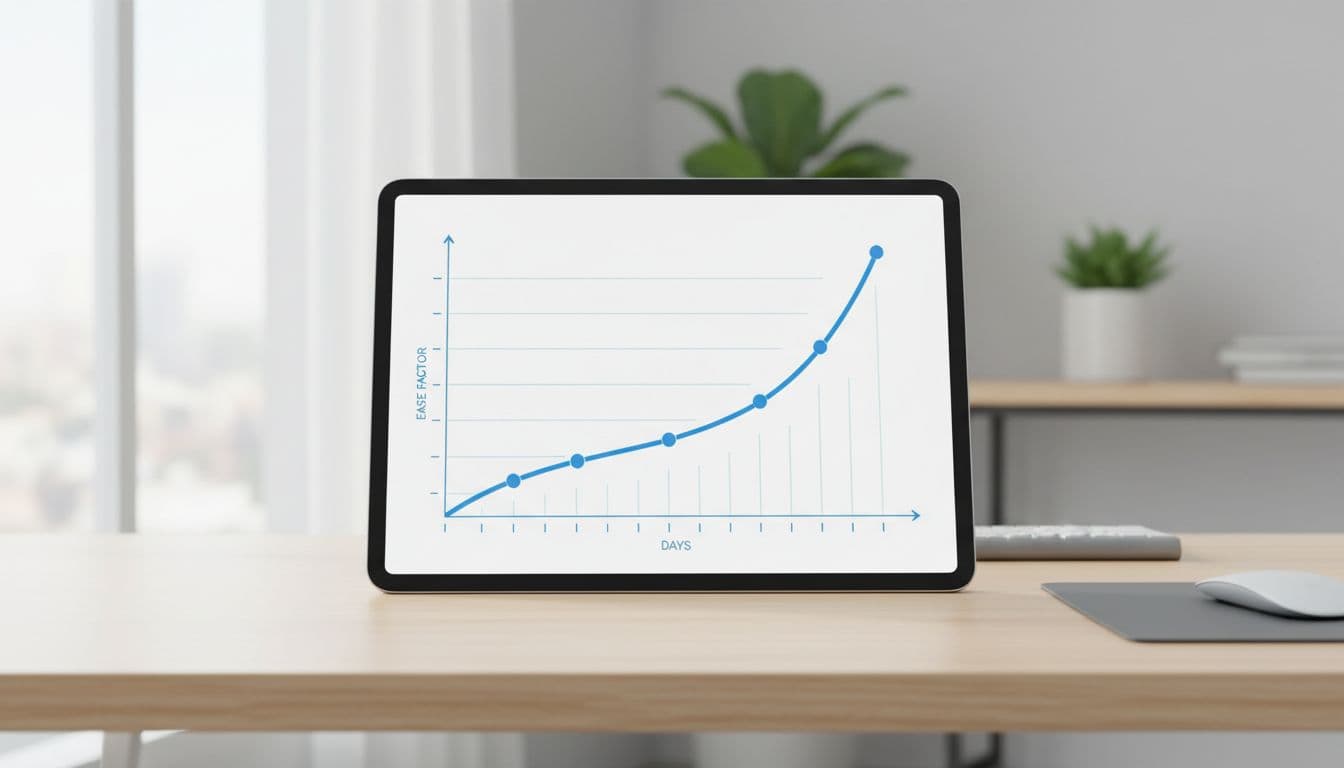
As of April 2026, Anki still feels current where it matters most, the scheduler. AnkiDroid 2.23.3 brought FSRS 6.0, which improves review timing for many users, and version 2.24.0 is expected to bring a redesigned study screen. In plain terms, serious learners can often keep retention high with fewer wasted reviews than older setups.
That matters for medical boards, bar prep, technical certs, and large language decks. Anki also stays flexible. You can study cloze deletions, image occlusions, audio prompts, or simple front-back cards in one place. You own the deck, the schedule, and the export.
If you care about polish versus raw control, this 2026 Anki vs Quizlet comparison shows the tradeoff well. Quizlet is smoother. Anki is stronger for long-term recall.
The biggest problems are real, and they stop many learners
Anki asks more from you than most apps. The interface is plain. The setup has too many knobs for new users. Shared decks range from excellent to terrible. Because of that, many people blame the app for problems that start with card design.
Bad cards create fake progress. A card that says “house -> casa” may feel easy after a week. It often fails in speech because it never asked you to hear, use, or spell the word in context. Recognition can mimic learning. Recall exposes the gap.
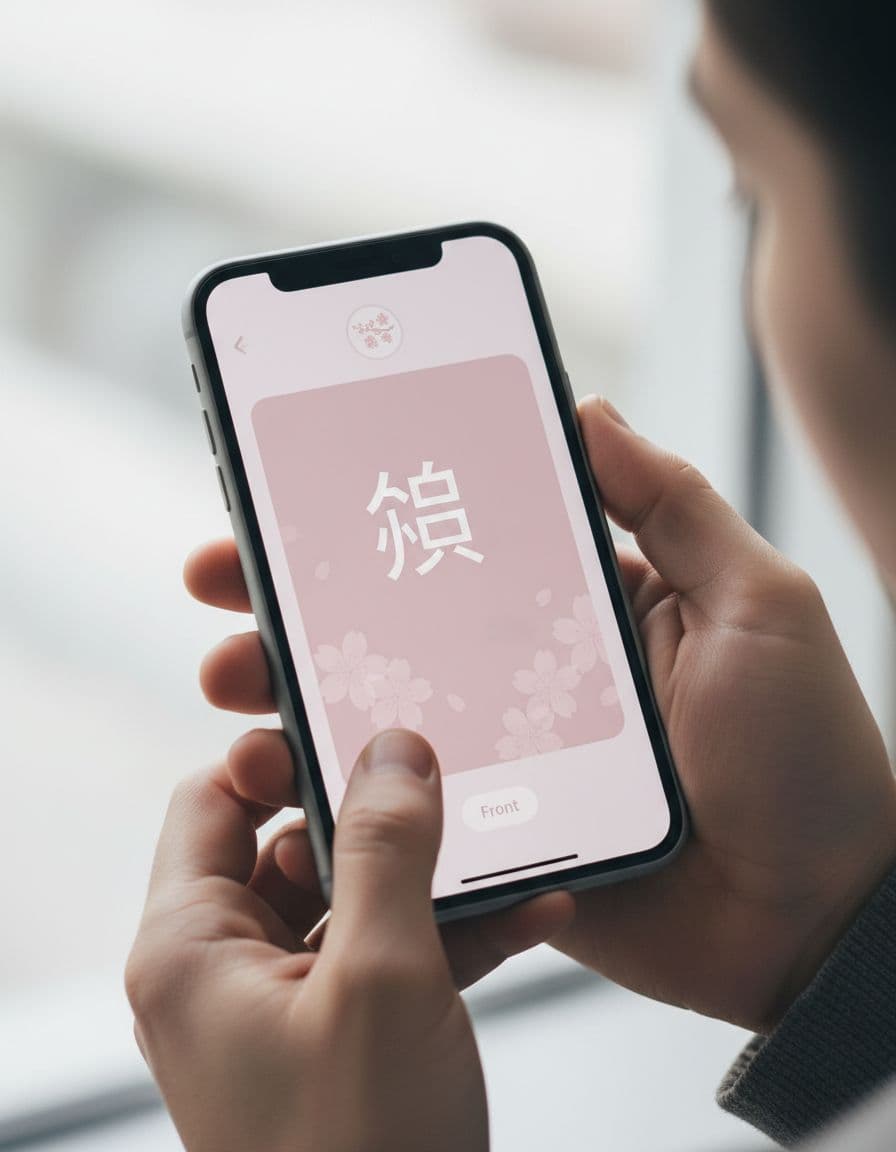
The second problem is review overload. Learners often add 30 new cards a day because it feels productive. Two weeks later, the queue explodes. Then the habit breaks. If this pattern sounds familiar, LanguaVibe’s guide on avoid review overload in Anki is worth reading.
If Anki feels oppressive, the issue is usually your workflow, not spaced repetition itself.
Burnout also comes from keeping low-value cards. Rare words, fuzzy facts, and cards you never use should go. Serious learners prune decks often. Memory improves when dead weight disappears.
Finally, Anki has a style problem. It does not teach well on its own. It reviews what you already captured. So if you expect lessons, explanations, or live speaking practice, Anki will feel cold.
A practical Anki workflow that still works in 2026
The best workflow is smaller than most people think. Start with one main source, then feed Anki only the material worth keeping.
For language learning, that might mean taking sentences from a course, tutor session, or podcast transcript. For exam prep, it might be missed questions and high-yield facts. For professional study, it might be terms, frameworks, and cases you need on the job.

A strong routine usually looks like this:
- Learn first, then add cards. Anki is for memory, not first exposure.
- Keep cards atomic. One fact, one prompt, one answer.
- Cap new cards hard. Ten good cards beat thirty rushed ones.
- Review daily, but stop before fatigue wrecks accuracy.
- Prune every week. Suspend or delete weak, vague, or low-use cards.
For language decks, sentence cards, audio cards, and cloze cards often work better than isolated word pairs. For exams, missed-question cards beat giant encyclopedia decks. Personal relevance helps attention, and attention helps memory.
In 2026, newer tools inside Anki also help serious users recover from mistakes. “Forget Cards” and due-date controls make it easier to reset problem cards around deadlines. The newer “Grade Now” action can fix scheduling when you notice a card has gone stale. If you want language-specific setting ideas, Migaku’s 2026 guide to Anki settings is a useful reference.
Anki also works best when paired with a second tool. Use it to remember what your main course, readings, tutor, or cases taught you. If you want a calmer plan, this guide on use Anki alongside lessons fits well. For language learners, LanguaVibe’s 15-minute test for better retention is a smart way to check whether your main app adds the varied practice Anki lacks.
Who should use Anki in 2026
Anki fits learners with long timelines and heavy memory loads. Medical students, law candidates, language learners at A2 and above, and self-directed professionals often get the most from it. They already have source material. They need a memory engine.
These are the clearest recommendations by reader type:
- Language learners should use sentence, audio, and cloze cards, then pair Anki with speaking and input.
- Medical and law candidates should build cards from missed questions and black-letter rules, not from every page they read.
- Busy professionals should keep decks small, job-focused, and capped at a low daily intake.
- Casual learners should start with a guided app and add Anki later, if recall becomes the bottleneck.
Anki fits some learners far better than others. Use it if recall is the bottleneck and you can protect yourself from overload.
Missing a day still will not matter much. Missing months to a bad setup still will. Anki remains one of the few study tools that respects long-term memory, but it rewards restraint as much as effort. That is why serious learners still keep it in their study routine in 2026.
Ready to Take Your Language Learning Further?
Your favorite language-learning app is a great place to start. Rocket Languages can help you go further with interactive audio lessons, pronunciation practice, real-world conversations, and structured learning.
Explore Rocket Languages →Affiliate disclosure: We may earn a commission if you purchase through this link, at no additional cost to you.