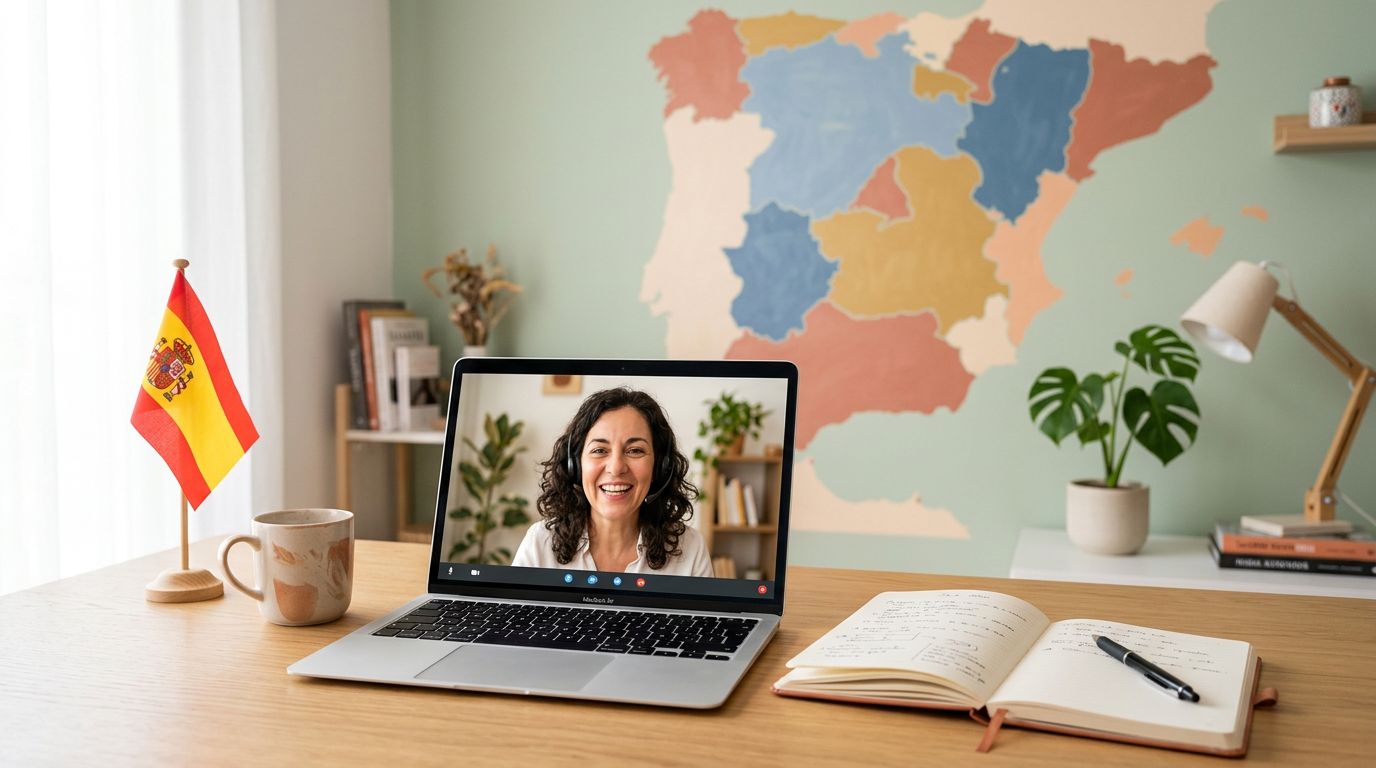
BaseLang looks simple on paper, unlimited Spanish lessons for one monthly fee. The real question is whether that model saves money, or only sounds like a bargain.
This BaseLang review for 2026 looks at the current price, refund terms, lesson format, and how it compares with italki, Preply, and Babbel. If you study often, the answer can be very different from the answer for a casual learner.
Quick verdict
| Best for | Not for | Main value proposition |
|---|---|---|
| Adults who can take several lessons each week, travelers, professionals, and serious beginners | Casual learners, bargain hunters, and anyone with an irregular schedule | One monthly fee for unlimited one-on-one Spanish lessons with native teachers |
That model rewards use, not intention. If you show up often, the math can work well.
How BaseLang’s unlimited Spanish classes work
BaseLang is built around live tutoring. You book one-on-one lessons through the platform, often on short notice, and you can keep booking as long as you want. Lessons usually happen over video call, and the teachers share notes so the next class does not start from zero.

The biggest strength is simple: it pushes you to speak. That matters if your goal is conversation, travel, or daily use. It also helps if you hate waiting for a weekly lesson slot. In that sense, BaseLang feels less like a course and more like open practice time with a teacher.
There is a tradeoff, though. The structure is looser than a full app course, so some learners may want more guidance between lessons. If you like a fixed path, a platform such as Babbel review 2026 may feel steadier. BaseLang works best when you already want a lot of speaking time.
The real test is not whether unlimited lessons sound attractive. It is whether your schedule can fill them.
BaseLang pricing and refund policy in 2026
Verified pricing on BaseLang’s site in May 2026 is clear. Real World costs $179 per month, Real World Lite costs $99 per month, and Bootcamp costs $1,200 upfront or $325 per month for four months.
Here is the current structure at a glance:
| Plan | Price | What you get |
|---|---|---|
| Real World | $179/month | Unlimited one-on-one lessons, 7-day $1 trial, 35-day refund window plus $20 |
| Real World Lite | $99/month | One 30-minute lesson per day, 7-day $1 trial, same refund terms |
| Bootcamp | $1,200 upfront or $325/month for 4 months | Intensive custom schedule, 24-hour refund window |
The refund policy is better than average for a tutoring service. If you are unhappy in the first 35 days, BaseLang offers a full refund plus $20. That is a strong sign of confidence. Bootcamp is stricter, so read that policy carefully before you start.
The cost question comes down to usage. Four lessons a month make the full plan expensive. Twenty lessons make it much more reasonable. At that point, the effective cost per class drops fast. That is why BaseLang can be a smart buy for daily practice, while it feels overpriced for light study.
For an outside take, this 2026 BaseLang review reaches a similar conclusion about commitment and value.
How BaseLang compares with italki, Preply, and Babbel
If you want a deeper look at the alternatives, the italki review 2026, Preply review 2026, and Babbel review 2026 cover the same choices from a different angle.
| Platform | Pricing structure | Flexibility | Learning style |
|---|---|---|---|
| BaseLang | Flat monthly fee | High if you study often | Live speaking with native teachers |
| italki | Pay per lesson | Very high for irregular schedules | Tutor-led, self-directed |
| Preply | Pay per lesson | Very high, tutor-by-tutor | Personalized tutoring marketplace |
| Babbel | Subscription course | High for solo study | Structured app-based lessons |
BaseLang’s advantage is predictability. You pay once, then book as much as you want. That works well if you want lots of speaking time and do not want to compare tutor rates every week.
By contrast, italki and Preply fit learners who want to pay only for what they use. If you take one lesson a week, those platforms usually make more sense. They also give you more control over tutor choice and lesson style. A BaseLang vs Preply comparison makes that same pricing split very clear.
Babbel sits in a different category. It is better for people who want structure, guided practice, and lower monthly cost. It does not replace live correction, but it gives you a clean path when you are still building basics.
Who BaseLang is a good fit for
BaseLang makes sense if you are serious about Spanish and can keep showing up. That includes digital nomads, frequent travelers, professionals who need speaking confidence, and beginners who learn best by talking.
It is also a strong fit if you like having a teacher ready whenever you have free time. The unlimited model removes the friction of booking separate paid sessions every time.
On the other hand, it is a weak fit if you study once or twice a week, prefer a fixed syllabus, or want the cheapest possible option. In those cases, the subscription can turn into dead weight. The same is true if you want more app-based exercises between lessons.
Conclusion
BaseLang is one of the clearest examples of a subscription that only works when you use it. If you take lots of lessons, the price can feel fair, and the speaking practice is hard to match.
If your schedule is thin, the value drops fast. That is the main takeaway from this BaseLang review in 2026, unlimited Spanish is worth it for committed learners, but not for everyone.
The best choice is the one that matches your habits, not the one that sounds biggest on the sales page.