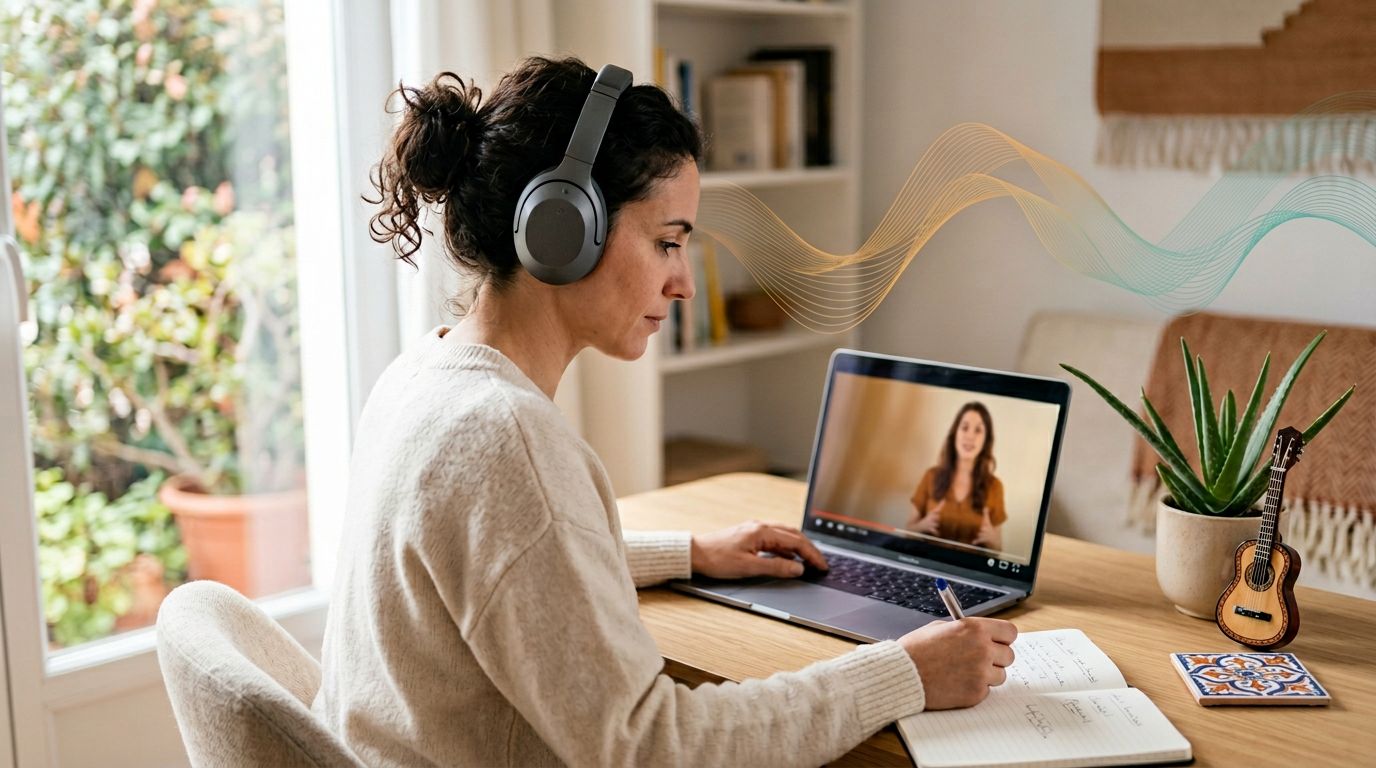
Dreaming Spanish can be a smart choice for adults who want lots of Spanish listening without grammar-heavy lessons. It can also feel thin if you expect a full course with speaking drills, writing tasks, and step-by-step rule explanations.
This Dreaming Spanish review looks at the platform through a serious learner’s lens, not a fan’s. The real questions are simple: does the input stay understandable, does the progression make sense, and is the price fair for what you get?
As of May 2026, the public site still centers on video-based comprehensible input, and the pricing page lists Free, Premium at $8 per month, and Premium Double at $12 per month. The core idea has not changed much, so the right way to judge it is by how well that idea fits your study style.
Why Dreaming Spanish still stands out in 2026
Dreaming Spanish is built around one thing: getting you to understand spoken Spanish before you worry about producing it. That sounds simple, but it matters. A lot of learners burn out on lessons that ask for output too early.
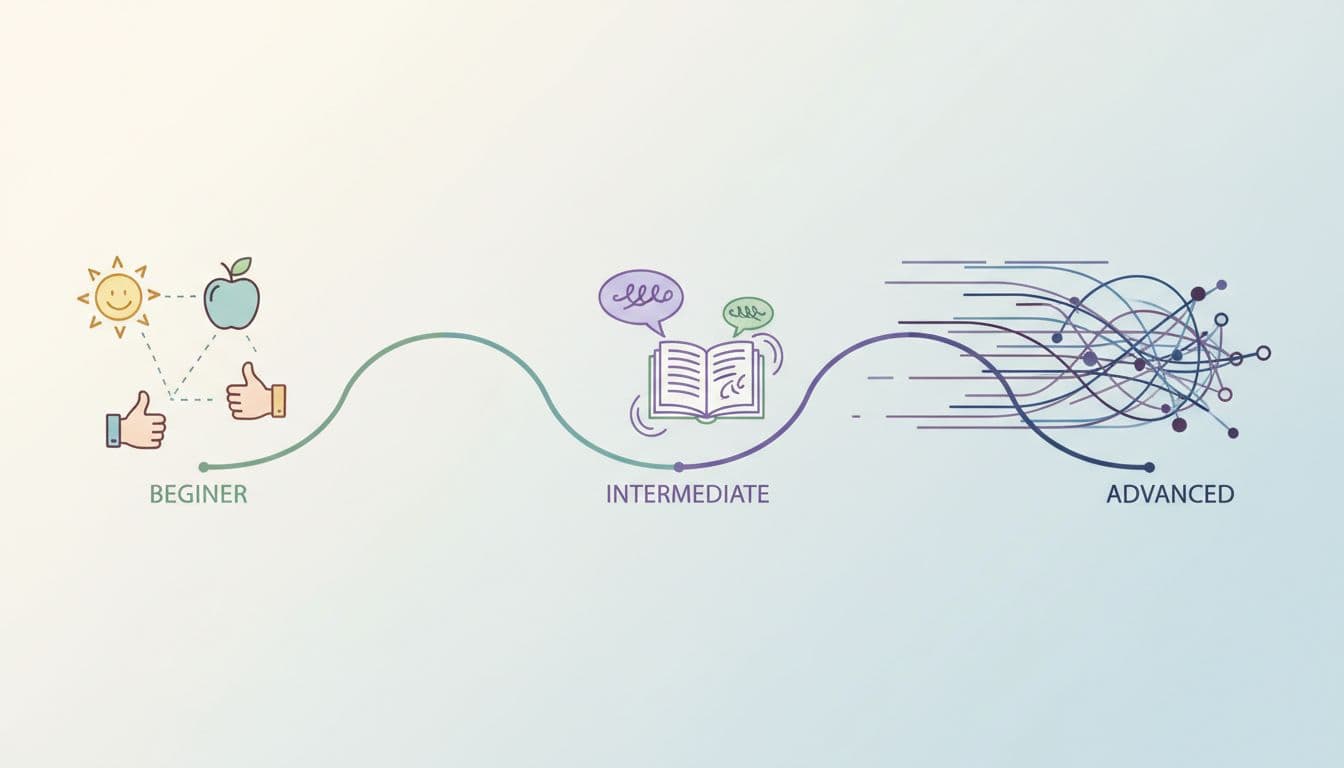
Here, the pace starts slow and stays visual. Beginners get drawings, gestures, and very controlled speech. Later levels move into stories, chats, and faster native speech. That makes the platform useful for people who want steady listening practice without constantly stopping to look things up.
A year-long user report like this Dreaming Spanish experience shows the same pattern many adults report, stronger listening first, then a slower climb in speaking confidence. That sequence is the selling point. It also explains why the platform appeals to self-directed learners who can stay patient.
The approach works best when you treat it like a listening engine. You press play, you understand what you can, and you keep going. If you want quick grammar fixes or a lot of speaking from day one, this will feel incomplete.
The library is wide, but progression matters more than volume

The size of the library matters less than the shape of it. Dreaming Spanish gives you a path from superbeginner to advanced, so you can follow your level instead of hunting around for random videos. That structure is what keeps the site usable after the novelty wears off.
I couldn’t verify an exact current video count, so I would not buy it for a number. Buy it for the level system. If you are a serious learner, the real question is whether the next video is just hard enough to stretch you, not so hard that you tune out.
The free Dollar Course is useful here because it gives you a quick taste of the method. You can see whether Spanish-only video learning fits your attention span before paying for more. That kind of low-risk sample is practical, and adults usually need that.
The range also matters. Beginner content uses visual support and slower speech. Intermediate videos add more variety. Advanced clips move closer to normal speed and broader topics. In other words, the site tries to grow with you instead of forcing a leap.
What serious learners should measure before paying
When I judge a tool like this, I look at five things: how good the input is, whether progress feels clear, how much variety it offers, how easy it is to use, and whether the price matches the value. Dreaming Spanish does well in some of those areas and only partly in others.
| Criterion | What strong looks like | Dreaming Spanish in 2026 |
|---|---|---|
| Comprehensible input quality | Speech you can follow without constant pausing | Strong, and still the platform’s biggest strength |
| Progression structure | Clear steps from easy to hard | Strong, with visible level bands |
| Variety | Enough voices and topics to avoid boredom | Good, though some learners will want more real-world messiness |
| Usability | Easy to start, track, and return to daily | Strong, with goals, profiles, dark mode, and notifications |
| Value for money | Enough content to justify monthly cost | Good for frequent listeners, weaker for casual users |
The platform’s goal tracking is helpful for habit building. A daily target like 15 minutes sounds small, but it lowers the bar enough to keep you moving. That matters more than people admit. Motivation often fails when a tool feels like homework.
The other important point is variety. Even a strong library can feel repetitive if you only watch one style of video. Serious learners should sample different teachers, because your tolerance for a voice or style changes fast when you use the app every day. If you want to compare broader options, best Spanish apps for fluency is a useful place to start.
Where the platform starts to fall short
Dreaming Spanish is strong on input, but it is narrow by design. There is no built-in speaking practice, no real writing track, and very little grammar explanation. That is fine if you already know how to round out your study plan. It is a problem if you were hoping for an all-in-one Spanish system.
That is why some serious learners outgrow it. Once you can follow easier native speech, listening alone stops being enough. You need reading, more unpredictable audio, and real conversation. Otherwise, you may understand a lot but still freeze when you need to answer.
Dreaming Spanish rewards patience. If you want fast speaking gains, you will need to pair it with another tool.
Public feedback still reflects that split. Some users love the content depth, while others want a smoother app experience on mobile and tablets. The App Store reviews show that same mix, with praise for the volume of input and complaints that are more about polish than method.
That is why comparison matters. If you want early speaking reps, Pimsleur review for Spanish speaking is the better match. If you want grammar support and spaced review, Babbel review for serious Spanish learners will probably fit you better. Dreaming Spanish is best when you want listening volume first and everything else second.
Pricing and value in 2026
The public pricing page is simple. Free gives you a basic way in. Premium costs $8 per month and removes ads while adding more features. Premium Double is $12 per month and adds more progress tracking. The separate Dollar Course is free now, which makes the entry point easier than it used to be.
| Plan | Public price | Best for |
|---|---|---|
| Free | $0 per month | Testing the method and sampling the library |
| Premium | $8 per month | Regular learners who watch often |
| Premium Double | $12 per month | Heavy users who want more tracking |
For serious learners, the value question is not whether the price is low. It is whether you will use it enough to make the daily habit stick. If you watch a few videos a week, the free tier may be enough. If you use it almost every day, Premium makes more sense.
I could not verify any major 2026 overhaul beyond the current pricing and the free Dollar Course, so the real buying decision stays the same. The platform is worth paying for if it becomes part of your routine. If it sits beside your other subscriptions, it is easier to question.
Who should use Dreaming Spanish, and how to combine it well
Dreaming Spanish is a good fit if you are patient, self-directed, and serious about listening. It works especially well for adults who want to build comprehension before they push speaking hard. It also fits learners who like clear levels and low-friction study.
It is less useful if you need one app to handle everything. That includes learners who want fast speaking practice, stronger grammar support, or exam-style preparation. Those goals need other tools beside it.
A balanced setup usually looks like this:
- Daily Dreaming Spanish for listening volume.
- Reading graded content or easier native text for vocabulary growth.
- Grammar study when a pattern keeps blocking you.
- A tutor or live conversation partner for output.
That mix is far stronger than any single app on its own. Dreaming Spanish gives you the hours of understandable Spanish that many learners fail to get elsewhere. You supply the rest of the system.
Conclusion
Dreaming Spanish still earns attention in 2026 because it does one job well: it gives serious learners a lot of understandable Spanish. That makes it especially useful for adults who want better listening without the drag of constant translation and drills.
The limits are clear too. It does not replace speaking practice, grammar work, or reading. If you treat it as the center of a wider plan, it can be one of the best listening tools available. If you expect it to do everything, you will outgrow it fast.
Ready to Take Your Language Learning Further?
Your favorite language-learning app is a great place to start. Rocket Languages can help you go further with interactive audio lessons, pronunciation practice, real-world conversations, and structured learning.
Explore Rocket Languages →Affiliate disclosure: We may earn a commission if you purchase through this link, at no additional cost to you.