
A flashy Mandarin app can teach you words fast, but grammar is what lets you build real sentences. If you keep guessing where 了 goes, or when 把 sounds natural, you need more than a vocabulary drill.
The best Chinese grammar apps in 2026 help you spot patterns, read clear examples, and practice sentence structure until it feels usable. They also respect your level, because a beginner does not need the same tool as an advanced HSK student.
What serious learners should expect from a grammar app
A good grammar app does three things well. First, it explains the pattern in plain language. Second, it shows the pattern inside real sentences. Third, it gives you a way to review it later, because grammar slips away if you only see it once.
That is where many Mandarin apps fall short. Some are great at speaking prompts, tone practice, or vocab reviews, but grammar stays thin. Others are packed with rules yet awkward to use on a phone.
For serious study, the best setup usually combines a reference with a practice app. A reference helps you check details fast. A practice app keeps the patterns active in your head. If you also study HSK material, look for apps with a clear lesson order and repeated sentence patterns. Most of the stronger course apps lean simplified Chinese, so check script support before you pay.
The strongest Chinese grammar apps in 2026
The table below keeps the tradeoffs simple. Some tools are better as a grammar library. Others are better as a guided course.
| App | Best for | What it does well | Main weakness |
|---|---|---|---|
| Chinese Grammar Wiki | Intermediate to advanced learners | Huge pattern library, strong examples, fast lookup | No real course path or spaced review |
| Yocha | Beginners to lower-intermediate learners | 140+ grammar points, offline lessons, focused practice | Android-first and lighter than a full reference |
| HelloChinese | Beginners who want structure | Clear course flow, grammar in context, speaking checks | Not deep enough for serious long-term grammar study |
| SuperChinese | Beginners to intermediate learners | Short lessons, steady review, grammar inside lessons | Grammar notes stay fairly light |
| Yoyo Chinese | Learners who want guided lessons | Structured teaching and clear explanations | More course than reference |
| Rocket Chinese | Learners who want grammar plus speaking | Stronger balance of sentence work and speaking | Less precise than a dedicated grammar library |
For serious Mandarin study, one grammar reference plus one practice app usually works better than a single all-purpose app.
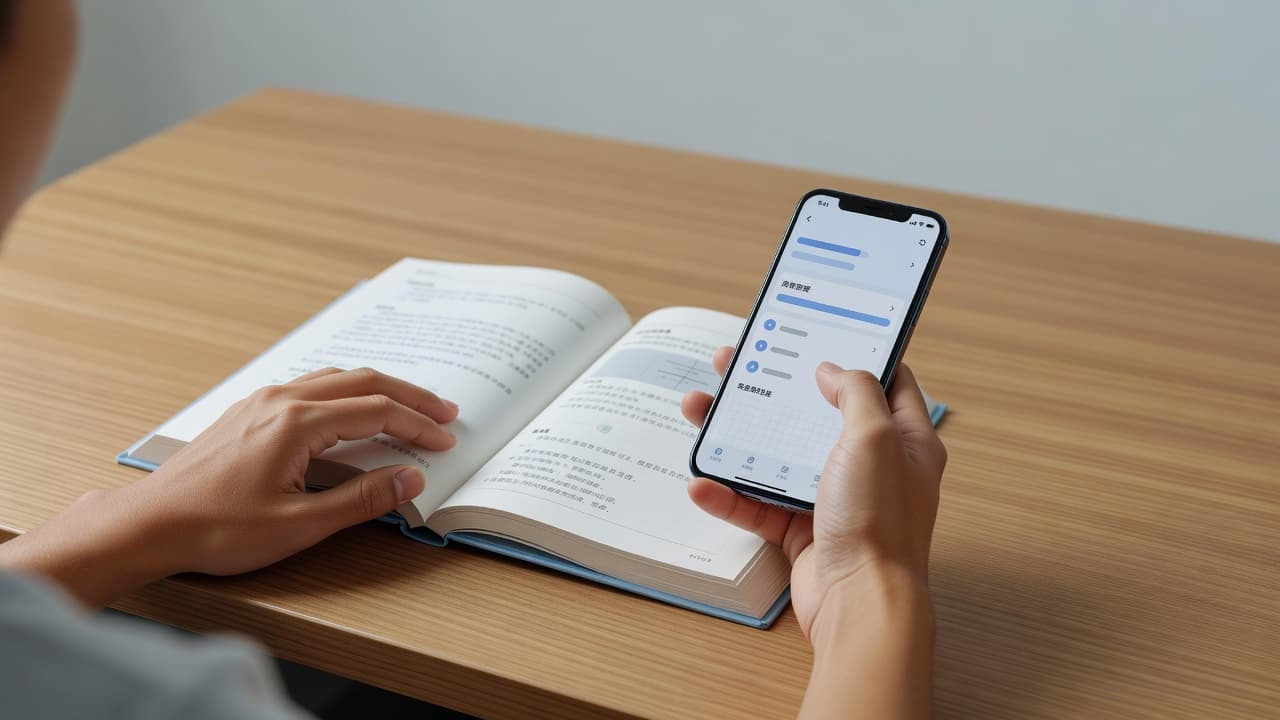
Chinese Grammar Wiki is still the best reference
Chinese Grammar Wiki remains the most useful grammar reference for serious learners. It is not polished in a flashy app-store way, but that is part of its strength. When you need to check a pattern like 把, 了, result complements, or conditionals, it gives you a clear place to start.
The real win is searchability. You can move from one grammar point to another without waiting for a course path to hand it to you. That makes it useful for upper-beginner, intermediate, and advanced learners who keep running into the same sentence shape in reading or listening.
The downside is simple. It does not behave like a full study app. There is no rich spaced repetition system, and there is no polished daily lesson flow. For that reason, it works best as a companion, not as your only tool. If you want a broader look at how grammar tools fit with the rest of your study stack, LanguaVibe’s Chinese learning app roundup is a useful next stop.
Yocha is a strong mobile choice for grammar drills
Yocha is one of the few apps that feels built around grammar first. Its Google Play listing says it includes 140+ Chinese grammar points and offline lessons, which is a solid sign for learners who want focused review on the go. For a mobile app, that is a practical amount of structure.
The appeal here is speed. You can open the app, review a point, see examples, and move on without a lot of setup. That makes Yocha useful for busy learners who want shorter study sessions that still hit grammar instead of only words.
Its weakness is scope. Yocha is handy, but it does not replace a deeper reference or a broader course. Android users will also get more out of it than iPhone users, so platform matters here. For a quick source check, Yocha’s Google Play listing is worth a look.
HelloChinese is best for beginners, with clear limits
HelloChinese still does a good job of teaching Mandarin in a structured way. Its 2026 refresh keeps the same strengths serious beginners tend to like: tone graphs, speech checks, short stories, and grammar explanations inside the lesson flow. That keeps the app friendly and easy to use.
The catch is depth. The grammar support helps you notice patterns, but it does not go far enough for learners who want detailed explanations of sentence structure, measure words, aspect particles, or word order. The HelloChinese review goes into that ceiling in more detail.
Use HelloChinese if you want a clean first-year path and you still need confidence. Use something else if you already know the basics and want grammar that explains the “why” behind the pattern.
SuperChinese keeps the pace steady, but the grammar stays light
SuperChinese is a good fit for learners who want structure without a heavy textbook feel. It offers short lessons and regular review, so it is easy to keep up with. Grammar appears inside the lesson context, which helps patterns stick better than raw word lists.
Even so, the app does not go very deep. Its grammar support is serviceable, but serious learners usually outgrow it once they start reading longer texts or working through denser HSK material. The SuperChinese review reflects that same limit.
That does not make it weak. It just makes it specific. SuperChinese works best as a daily habit app, not as your main grammar library.
Yoyo Chinese and Rocket Chinese fit learners who want lessons, not lookup tools
Yoyo Chinese is the better choice when you want grammar built into a guided course. The structure helps if you prefer clear sequencing and teacher-led explanations. It feels more like a class than a reference guide, which is useful if you learn well with order and repetition.
Rocket Chinese takes a slightly different angle. It gives you more speaking practice alongside grammar, so you are not only recognizing patterns, you are saying them out loud. That matters if your grammar knowledge looks better on paper than it sounds in conversation.
Both apps make more sense for learners who want progression. Neither one replaces a real grammar reference. If you are already using Chinese text, audio, and sentence mining, either app can fill in the teaching gaps. If you want one app to answer every grammar question, neither is enough on its own.
How to choose the right app for your level
The best choice depends on what you already know and what you need next. Beginner learners need clear order and simple explanations. Intermediate learners need pattern review and sentence-level practice. Advanced learners need fast lookup and precise explanations, not cute exercises.
A practical stack looks like this:
- Beginners can pair HelloChinese or Yocha with Chinese Grammar Wiki.
- Intermediate learners can use SuperChinese or Yoyo Chinese, then check hard points in Chinese Grammar Wiki.
- Advanced learners usually get the most value from Chinese Grammar Wiki plus reading, sentence mining, and targeted review.
For a broader cross-check of Mandarin tools, HSKLord’s tested 2026 app rankings are useful because they show how grammar-focused apps sit beside general study apps. Vocabulary trainers like Clozemaster’s Chinese app roundup can help with exposure, but they do not teach grammar from the ground up.
Conclusion
A serious Mandarin learner needs more than a pretty interface. The best Chinese grammar apps in 2026 help you notice sentence patterns, review them later, and apply them in real reading or speaking.
If you want one clear takeaway, use a reference app for precision and a course app for practice. That combination handles the grammar traps that slow most learners down, and it gives you a better path past beginner level.
Ready to Take Your Language Learning Further?
Your favorite language-learning app is a great place to start. Rocket Languages can help you go further with interactive audio lessons, pronunciation practice, real-world conversations, and structured learning.
Explore Rocket Languages →Affiliate disclosure: We may earn a commission if you purchase through this link, at no additional cost to you.