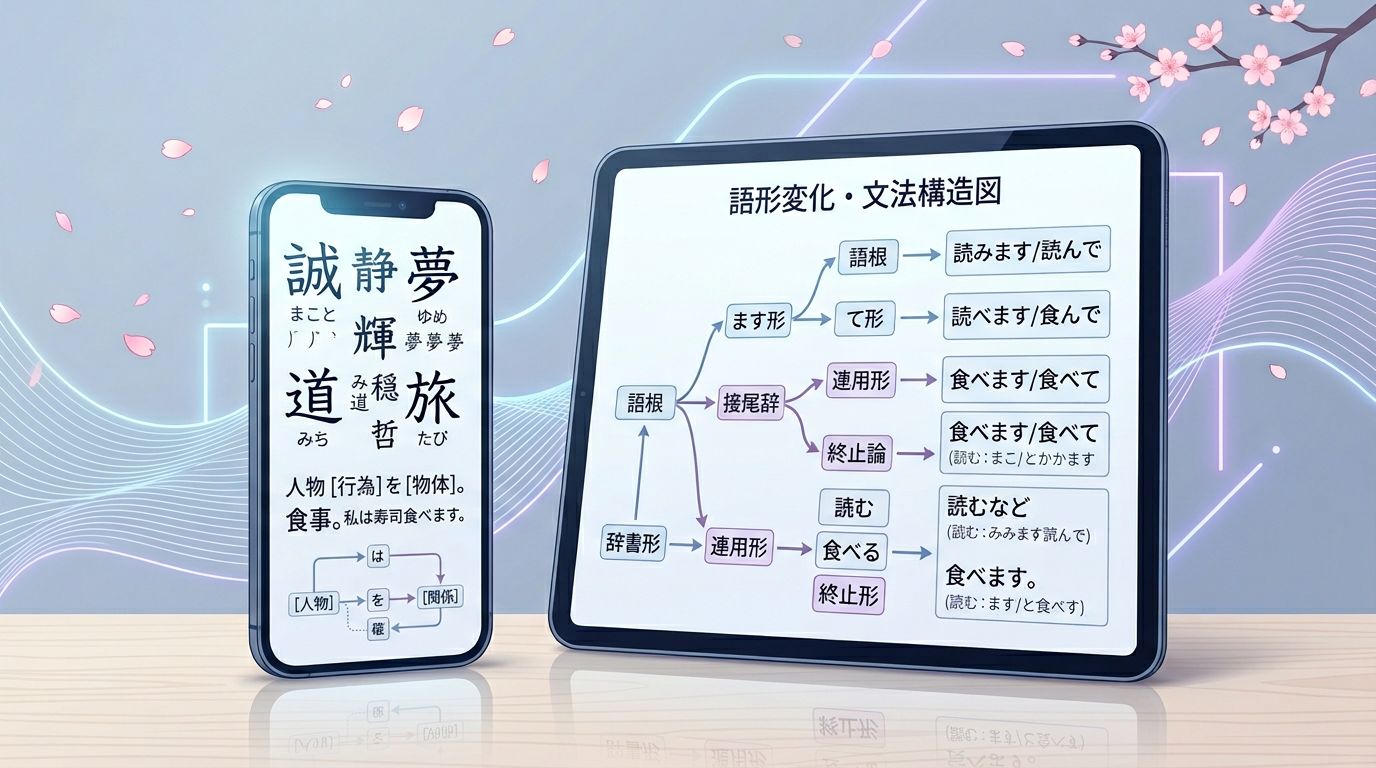
You do not need more Japanese apps. You need the right mix for the skill that keeps slowing you down. In 2026, the strongest options are more focused than they used to be, which helps if you study with a clear goal. The hard part is choosing the app that deserves your time, money, and daily attention. The best results usually come from a small stack, not from one app trying to do everything.
What serious learners should expect from a Japanese app
A good Japanese app should give you a clear path, a review system, and enough depth to last beyond the first month. If it only rewards taps and streaks, it can build a habit without building skill. Serious learners need recall, not just recognition, because Japanese reading and JLPT prep demand more than passive familiarity.
A second test is sentence quality. Can the app make you read full examples, explain grammar cleanly, and push you to answer without hints? If you want a fast way to judge that, the grammar audit checklist for apps is a useful yardstick before you subscribe.
Price matters too, but only after fit. A free app can be excellent if it has a real syllabus. A paid app is worth it if it saves time and keeps reviews under control. Offline support also matters more than many people think, especially if you study on a commute or want to review without distractions.
A serious app should make progress visible, not just make study feel easy.
For that reason, the best choice depends on your target. Beginners need structure. JLPT learners need a path. Intermediate students need pressure and better recall. One app can rarely do all three well.
A quick comparison of the best Japanese learning apps
Here is the short version before the deeper breakdown.
| App | Platform | Core focus | Free vs paid | Offline support | Best for |
|---|---|---|---|---|---|
| KanaDojo | Web | Kana, kanji, JLPT basics | Free | Not a core feature | Beginners and N5 starters |
| WaniKani | Web, third-party mobile apps | Kanji and vocab SRS | Paid, with trial | No native offline mode | Kanji retention and JLPT reading |
| Bunpro | Web, mobile browser | Grammar SRS and JLPT review | Paid, with trial | No native offline mode | Grammar-heavy self-studiers |
| LingoDeer | iOS, Android, web | Structured beginner Japanese | Subscription, some free lessons | Limited offline on mobile | Beginners who want pacing |
| Clozemaster | Web, iOS, Android | Sentence-based vocab practice | Free, Pro upgrade | Limited offline support | Intermediate and advanced learners |
| JA Sensei | Android | All-in-one study and native audio | Free plus paid content | Strong offline support | Offline study and custom quizzes |
| Migii JLPT | iOS, Android | JLPT mock tests and drills | Free plus paid options | Limited offline support | Exam practice |
| Noryoku | Web | JLPT path, reading, listening | Paid | Not a core feature | Learners who want one system |
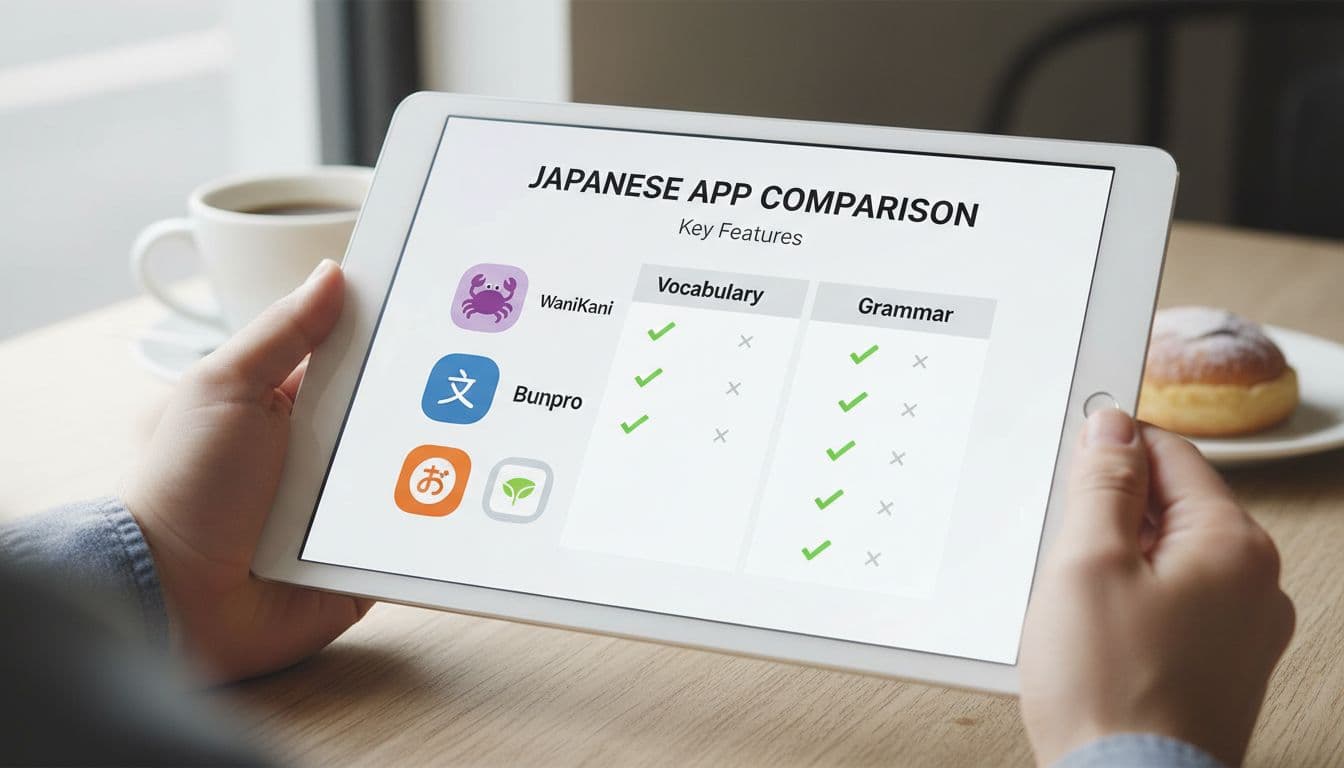
The pattern is clear. The strongest apps are narrow. That is a feature, not a flaw. Japanese learners do better when each tool has one clear job. That also explains why serious study often means paying for two or three good apps instead of forcing one app to do everything.
The apps that fit each learning job
KanaDojo for a free JLPT start
Among newer 2026 options, KanaDojo is an easy recommendation for motivated beginners. It covers hiragana, katakana, N5 kanji, and core JLPT vocabulary. That makes it a clean first step
Ready to Take Your Language Learning Further?
Your favorite language-learning app is a great place to start. Rocket Languages can help you go further with interactive audio lessons, pronunciation practice, real-world conversations, and structured learning.
Explore Rocket Languages →Affiliate disclosure: We may earn a commission if you purchase through this link, at no additional cost to you.