
Lingoda still gets one big question right in 2026: do live classes actually help you speak more? If you want real-time correction, a set schedule, and a classroom feel without leaving home, Lingoda can be a smart pick.
The catch is cost. Live teaching is more expensive than app-only study, and Lingoda asks you to show up often if you want real value. That makes it better for some learners than others.
Here’s the practical version of the Lingoda review, with the good, the bad, and who should skip it.
How Lingoda’s live classes work in 2026
Lingoda’s core product is still small-group live classes with certified teachers. Sessions are usually 60 minutes long, and they follow CEFR levels, so the path feels more like a school course than a loose tutoring app.
The platform has also added more polish. In 2026, the Today page acts like a home base, the My Classes page makes past and upcoming lessons easier to track, and the lesson pages make booking simpler. Lingoda also has over 100 hours of self-study material, which matters because live classes work best when you prepare between sessions.
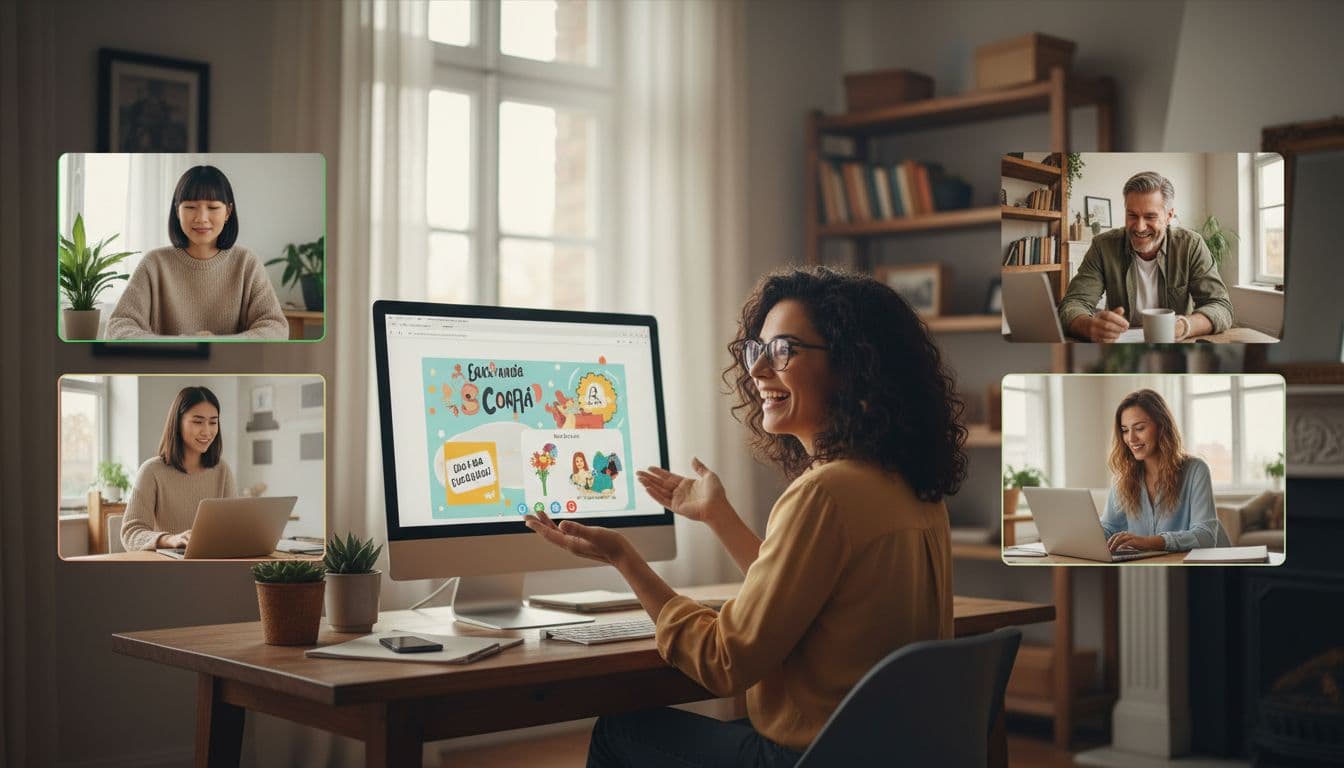
Classes are available across many time zones, so night owls and early risers both have options. That flexibility is one of Lingoda’s biggest strengths.
What Lingoda does well
Lingoda is strongest when you need speaking practice with structure. In a small group, you have to listen, answer, and keep moving. That pressure helps many learners more than passive app lessons.
It also suits people who hate wasting time choosing tutors. With Lingoda, the structure is already there. You book a class, show up, and follow the sequence.
That is why it often works well for:
- Busy professionals who want fixed speaking practice
- Expats who need confidence for daily life
- Students who want regular oral practice
- Intermediate learners who already know some basics
If you want more structure than a tutor marketplace, a Babbel review 2026 can help you compare the self-study side of the equation. Babbel is steadier for guided lessons, while Lingoda gives you live speech from the start.
Lingoda works best when you want a schedule, not a search for the perfect teacher.
A helpful detail is the teaching style. Because Lingoda uses certified teachers, the class quality tends to feel more consistent than open marketplaces.
Where the value starts to slip
The biggest drawback is price. Lingoda is not cheap, and the cost can change by region, currency, and promo. That makes it hard to judge from a single advertised number. Third-party reviews such as PCMag’s Lingoda review have pointed out the same issue, the value depends a lot on how many classes you take.
The Sprint challenge adds another layer. It can reward you with cashback or credits if you complete the rules, but you need discipline. There is usually a one-class-per-day limit, and rewards arrive later, not instantly. That setup can motivate serious learners, but it can also feel strict if your schedule changes often.

Lingoda’s flexible plans help a little. You can usually pause, cancel, or change your subscription, which is better than being locked into a long contract. Still, flexibility does not erase the fact that missed classes reduce value fast.
The group format is another limit. If you want highly personalized correction, one teacher, and lessons built around your exact weak spots, group classes may feel too broad.
Lingoda vs italki, Preply, and Babbel
Here is the simplest way to compare them.
| Platform | Format | Best for | Main drawback |
|---|---|---|---|
| Lingoda | Small-group live classes | Structured speaking practice | Higher cost per class |
| italki review 2026 | One-to-one tutors | Personal speaking practice | You must build your own structure |
| Preply review for 2026 | One-to-one tutoring | Customized lessons and flexibility | Tutor quality can vary |
| Babbel | App-first lessons, with live options in some plans | Guided self-study | Less live speaking by default |
Lingoda is easier if you want a ready-made class path. By contrast, italki and Preply give you more control over the tutor and lesson style. That can be a win for advanced learners or people with narrow goals, like job interviews or exam prep.
Babbel sits on the other side. It gives you more structure than a tutoring marketplace, but less live pressure than Lingoda. If you freeze when speaking, Lingoda may help more. If you want to shape every lesson yourself, a tutor platform is a better fit.
Who should pay for Lingoda
Lingoda is worth it if you need routine and live speaking practice. It is a solid choice for learners who will attend often and want a class environment.
It is less attractive if you cancel a lot, prefer one-on-one attention, or want the lowest possible price. In those cases, Preply review for 2026 is worth a look, because private tutoring may give you more personal value for the money.
Lingoda makes the most sense for learners who want a school-like system with real conversation. If that sounds like you, the platform can be a good fit. If you want freedom above structure, it may feel expensive fast.
Conclusion
Lingoda in 2026 is still a strong live-class platform, especially for people who need speaking practice and clear weekly habits. Its best features are structure, teacher quality, and class availability across many time zones.
The real question is not whether Lingoda works. It does. The question is whether you will use it enough to justify the price. For committed learners, live classes are worth it. For casual learners, the cost may outrun the benefit.
Ready to Take Your Language Learning Further?
Your favorite language-learning app is a great place to start. Rocket Languages can help you go further with interactive audio lessons, pronunciation practice, real-world conversations, and structured learning.
Explore Rocket Languages →Affiliate disclosure: We may earn a commission if you purchase through this link, at no additional cost to you.